LONDON GRIP NEW POETRY #61 – AUTUMN 2026 features poems by:
*Jennifer Rogers *David Keyworth *Tony Beyer *Pam Job
*Grace Booze *Caroline Maldonado *Vivien Jones *Sayani De
*Sue Johns *Pulkita Anand *Sylvia Cohen *Colin Pink
*Eric D Goodman *Anna Bowles *Stuart Handysides *Anne Eyries
*Jim C Wilson *Elizabeth Cook *Steve Komarnyckyj *Jackson
*A C Clarke *Siobhan Ward *Adam Cairns *Stuart Henson
*Shanta Acharya *Christine McNeill *Rosemary Norman *Norbert Hirschhorn
*Jayne Stanton *Elizabeth Cathie *Richard Skinner *Andrew Shields
*Robert Etty *Julian Dobson *Philip Dunkerley *Leo F Smyth *Sharon Black
*Chrissy Banks *Jeff Gallagher *Ann Youmans *Sultana Raza *Maggie Freeman
Contributor Biographies and Editor’s Notes are also included.
Copyright of all poems remains with the contributors
A printable version of this issue can be found at LG New Poetry Autumn 2026
London Grip New Poetry appears in March, June, September & December
SUBMISSION GUIDELINES:
Send up to THREE poems & a brief bio to poetry@londongrip.co.uk
Poems must be in a SINGLE Word attachment or within the message body
Our submission windows are January, April, July & October
Please do not include us in simultaneous submissions
Editor’s notes
The summer issue of London Grip New Poetry ended with some reflections on the consequences of war. This new edition picks up on similar themes, starting with a haunting poem about war graves by Jennifer Rogers and going on to deal with the sad realities and the misplaced fantasies surrounding conflict and considering the plight of the innocents who become separated from families and driven from their homes. All of this leads to reflections on how we view and value the security provided by our homes and households – and even our clothing – in what might be regarded as more normal and peaceful times. As a contrast, the magazine concludes on a lighter note with a few poems about poetry which are careful not to take themselves too seriously!
In order to accommodate the editor’s holidays, our summer submission window was intended to span only the month of June. Emails & media posts were sent out to that effect. Unfortunately, such messages do not reach everyone and, in particular, they aren’t seen by first-time contributors (of whom there have been gratifyingly many). And, to be frank, it appears that they are not always read attentively by those they do reach! So, in the event, we had a two-month June-July submission period and it was interesting to try and keep abreast of incoming emails over three weeks in Western Canada. Who knows whether absence from a familiar desk influenced any editorial decisions; but we do hope that all readers will find both challenge and enjoyment in the pages that follow.
*
Shortly before this issue went to press we received the sad news of the death of the poet David Perman. As well as having a long career as a BBC broadcaster, David was a publisher at the well-respected Rockingham Press and also the founder of Ware Poets in his home town in Hertfordshire. Most recently he was conducting a series of lively and interesting interviews with well-known poets for publication in Acumen magazine. David’s convivial presence at festivals and readings will be greatly missed.
Michael Bartholomew-Biggs
London Grip poetry editor
Back to poet list… Forward to first poet
.
.
.
.
.
.
.
.
.
.
.
.
.
.
.
.
.
***
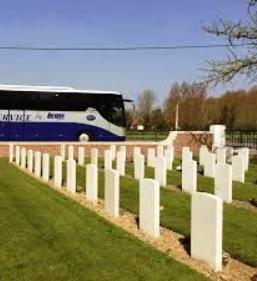 Jennifer Rogers: Tourists on the Western Front
We heard them coming half a mile away,
bouncing up and down the smooth, hot road,
in a dusty white bus.
They climbed out, lively as fresh recruits
laughing and talking.
When they walked in the gates
silence sprang to attention.
We've come to expect that.
It's quite a sight here; the boys
lined up, straighter than rifle barrels,
smarter than staff officers on parade.
Silence descended then, as it always does,
falling softer than the summer roses;
petals of red and pink on the khaki path.
No need for sorrow we wanted to say.
pity has soaked us, steady as rain
for eighty years and not a single
lad washed back to Blighty.
We're happy to hear someone walking
with a firm, stead tread, in the sun.
We'd be up there ourselves, quick as a shot,
if anyone could give the order.
The visitors drove off eventually,
rather subdued,
but looking for lunch.
Well, we knew they wouldn't stay forever.
On the last rise of the road
the dusty white bus dipped down.
Sunlight on their window saluted us.
Jennifer Rogers: Tourists on the Western Front

We heard them coming half a mile away,
bouncing up and down the smooth, hot road,
in a dusty white bus.
They climbed out, lively as fresh recruits
laughing and talking.

When they walked in the gates
silence sprang to attention.

We've come to expect that.

It's quite a sight here; the boys
lined up, straighter than rifle barrels,
smarter than staff officers on parade.

Silence descended then, as it always does,
falling softer than the summer roses;
petals of red and pink on the khaki path.

No need for sorrow we wanted to say.
pity has soaked us, steady as rain
for eighty years and not a single
lad washed back to Blighty.

We're happy to hear someone walking
with a firm, stead tread, in the sun.
We'd be up there ourselves, quick as a shot,
if anyone could give the order.

The visitors drove off eventually,
rather subdued,
but looking for lunch.

Well, we knew they wouldn't stay forever.

On the last rise of the road
the dusty white bus dipped down.

Sunlight on their window saluted us.
Back to poet list… Forward to next poet
.
.
.
.
.
.
.
.
.
.
.
.
.
.
.
.
.
***
David Keyworth: Sunday Painting by the Somme
After The Sleepy River Somme (1897) by Sir Alfred East
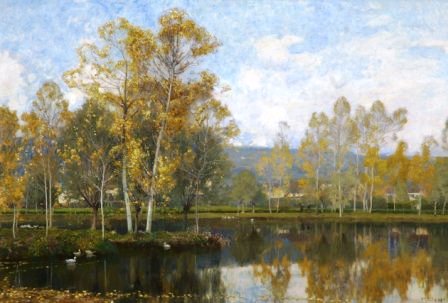 Do you remember that afternoon?
We had a picnic and I painted the river,
it mirrored brass-coloured trees.
Its meander only disturbed
by white ducks swirling whirlpools
between sinking leaves.
There was no sound but breeze
crackling in branches,
the cough of ravens,
the whistle of skylarks.
No strollers, just a couple -
as old as we are now in the distance
with a crutch and a cart of firewood,
his wife focused on a point in the clouds
as if she saw a wound
reddening on the horizon.
Do you remember that afternoon?
We had a picnic and I painted the river,
it mirrored brass-coloured trees.
Its meander only disturbed
by white ducks swirling whirlpools
between sinking leaves.
There was no sound but breeze
crackling in branches,
the cough of ravens,
the whistle of skylarks.
No strollers, just a couple -
as old as we are now in the distance
with a crutch and a cart of firewood,
his wife focused on a point in the clouds
as if she saw a wound
reddening on the horizon.
Back to poet list… Forward to next poet
.
.
.
.
.
.
.
.
.
.
.
.
.
.
.
.
.
***
Tony Beyer: Overlord

still such a heroic image
the paratroopers standing
waiting in turn
for the green signal light

static lines attached
to the overhead cable
boots skidding a bit
on each other’s nervous vomit

the hatch open into
the roaring dark
over enemy held territory
church spires tank traps wire

kitted to the wet eyeballs
peering from behind burnt cork
festooned with ammunition
harness netting grenades

a pale dome blossoms
over each of them then furls
announcing the first of the men
about to change the world
Back to poet list… Forward to next poet
.
.
.
.
.
.
.
.
.
.
.
.
.
.
.
.
.
***
Pam Job: Hero

Theseus wants glory.
He wants success.
He wants to be
Best Boy, that's all.
He likes a fight -
he likes to wrestle
feel oiled muscles
slide against his own
in chest to chest
struggle in the dust
throwing and tripping.
And falling, wrapped
in each others arms.
Falling but never in love.
Theseus is a body man
a skin against skin addict.
He likes the grip of a fist
the twist of a neck
the snap of a wrist.
He's Mister Physical
with the Minotaur in mind
for a running mate.
Back to poet list… Forward to next poet
.
.
.
.
.
.
.
.
.
.
.
.
.
.
.
.
.
***
Grace Booze: American Boy

Born with rage and anger
For Uncle Sam to use forever
In a desert or a jungle

He’s moved past hills and hollers
Knows the value of a dollar
And the worth of an empty Busch light can

One Friday night with his buddies
He’ll meet a woman that takes up all his Sundays
Making a holy roller out of his sins

But no thread can sew together
The damage caused by stormy weather
And the tears he puts in his lover's eyes

Lonesome valleys are comfort years after
And vices are better than an empty trailer
That he calls home

Ash invades his lungs and vision more than laughter
As an empty bottle takes care of his liver
His thoughts are filled with ghosts and shadows

He’ll wonder where his dreams went
Whether or not he should pay rent
And what bar the years walked off to?

He admits things didn’t go as planned
And tell all the American Boys
Not to turn into American Men
Back to poet list… Forward to next poet
.
.
.
.
.
.
.
.
.
.
.
.
.
.
.
.
.
***
Caroline Maldonado: Great white bird
after Kandinsky’s ‘Cossacks’
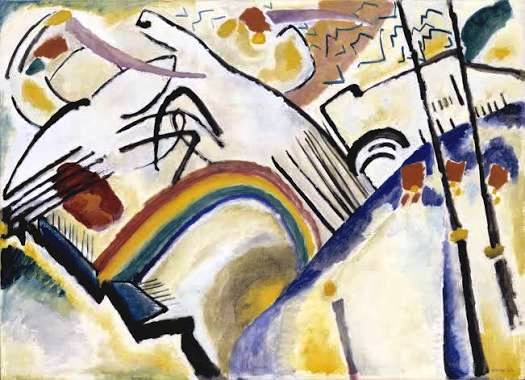 I’ve already seen those houses
tumble
into a blue sea
they’re falling now
the rainbow’s not yet
broken
but it has fallen too
what’s happened to our
world? it hangs
all askew
war still out of sight
galloping this way
see the warriors at the ready –
high red caps
weapons aslant
but now look closer –
like lightning
that streak
of wings
I’ve already seen those houses
tumble
into a blue sea
they’re falling now
the rainbow’s not yet
broken
but it has fallen too
what’s happened to our
world? it hangs
all askew
war still out of sight
galloping this way
see the warriors at the ready –
high red caps
weapons aslant
but now look closer –
like lightning
that streak
of wings
Back to poet list… Forward to next poet
.
.
.
.
.
.
.
.
.
.
.
.
.
.
.
.
.
***
Vivien Jones: Lessons in the Bones
https://en.wikipedia.org/wiki/Birka_grave_Bj_581

Scandanavia 1880s

In the grave a warrior
with generous grave goods,
shields, an axe, a spear, a sword,
a bow with weighty arrows,
a stallion, a mare,
some game pieces
 – a strategist then.

1970s

Osteological analysis
identifies the bones
are female.

Was she then a lover,
a wife, a sister, cousin, aunt ?
Was she laid there in jest,
as a punishment, as an example ?
Was she in receipt of inherited wealth ?

2017

After DNA investigations
social anthropologists call for caution
against false assumptions regarding
social orders in past societies.

Today

In my heart and mind,
Let her have been a sturdy woman,
scarred, broken-nosed,gap-toothed,
breasts bound for comfort in a fight,
no blonde plaits, no horned helmet,
a great belcher and farter,
a screamer in sex,childbirth and battle,
with thighs to grip a horse rather than a man.

Let the warrior describe the woman.

                     This poem was chosen as one of the best Scottish poems of 2021
for the Scottish Poetry Library, https://www.scottishpoetrylibrary.org.uk/
Back to poet list… Forward to next poet
.
.
.
.
.
.
.
.
.
.
.
.
.
.
.
.
.
***
Sayani De: The Tyranny of an Undone Blueprint

They came, masked, armed, for us in that faraway home
Their faces now grin from the TV screen, a heart-shock, a joke on my dreaming.
Deport.
The word is a boot on the throat.
My eyes, heavy with stolen time, my hand a dead switch flipping channels
I press a dry breast into my child’s hungry cry though it yields nothing but shame.
Motherhood: a verdict I failed.

This comfort of return is a candle snuffed by the same wind.
Home is not a place. It is a burning house, its only furniture: power.
I am erased.
A name deleted from the ledger.
The hatred is a smog. I see it curl around my infant’s soft skull.
Now my living room crowds with a million children, a nation of wails,
the roads outside stained red with all our spittle.

The blueprint of tomorrow bleeds in the dark.
We plan. They unplan.
A shadow-game.
This insanity is a flood, and it is rising to drown even my imagination.
Back to poet list… Forward to next poet
.
.
.
.
.
.
.
.
.
.
.
.
.
.
.
.
.
***
Sue Johns: Let Sleeping Dolls Lie

The mother is leaving
Packing one large bag and a rucksack
How will she carry the little dog Petro, meaning rock?
She will carry him in the rucksack

My little Valentyna, meaning strong and brave, is leaving
Packing her unicorn suitcase
It must carry food and water
It will carry her dreams
It cannot carry her picture books
It cannot carry her rainbow teddy bear
They must be left behind

Who will carry me, Iryna, meaning peace?
I cannot be carried
I must be left behind

The father is not packing
Or leaving
He will carry a rifle
He must be left behind

My little Valentyna, meaning strong and brave, is crying
How am I to be left behind?
I am to be left in my cot in the corner
Watched over by the rainbow teddy bear

I cannot sit or my eyes will open
I must not see the smoke
Or the windows, broken
I, Iryna, meaning peace,
Will sleep and wait

The little dog Petro, meaning rock, is leaving
He has been packed
He will not bark
Until they bring him back
In the rucksack.
Back to poet list… Forward to next poet
.
.
.
.
.
.
.
.
.
.
.
.
.
.
.
.
.
***
Pulkita Anand: Everywhere, silence remains unvoiced

i am looking for the phrases and the metaphors
that would describe the rights and plight
of women and children in a war-torn climate crisis
before the creed of violence breeds what can’t be freed
we should look for the source of water
that flows through us
that’s transparent
without colour without taste
what colours does the silence have?
that’s the question
i was not born a refugee but became one …
let’s talk the talk of inclusivity
lip service speaks louder than action
age is just a number, how old is my suffering?
mapped on the stomach and eyes
stamped by the grammar of injustice
burying whole towns in ashes
my poem is melancholic
playground turned into a burial ground
hospital into mortuary, nursery into cantonment
i just shared the trailer the silent movie is still there
Back to poet list… Forward to next poet
.
.
.
.
.
.
.
.
.
.
.
.
.
.
.
.
.
***
Sylvia Cohen: Silence

Born into a world in shadow, we were raised in silence.
The cries of ten million people, raised into silence.

Trees shake their leaves to the rhythm of the wind.
Through the window, they dance in glazed silence.

Golden early morning sun washes into the room.
This space embraces the heavens.  Praise silence.

The bustle of Gaza, coffee shops, markets, is wasteland.
Schoolgirls are killed by bombs in Iran. Hazed in silence.

Where are the voices to give power to resistance?
Speak out, you who mock tyrants, erase the silence.

Our grandchildren charge our hearts. Now, they sleep.
We sit side by side, eyes closed, amazed by silence.

Candles in my silver holders flicker hope into dark.
As the Sabbath comes to visit, we inhale silence.
Back to poet list… Forward to next poet
.
.
.
.
.
.
.
.
.
.
.
.
.
.
.
.
.
***
Colin Pink: Formula

she gives birth in Gaza
but is so malnourished
her breasts cannot make milk

the hospital has run out
of formula milk, meaning
the infant has nothing to eat

the medics ask colleagues
who are coming to the hospital
to bring formula with them

at the border Israeli guards
search their luggage and confiscate
the formula, nothing else

and so a brief life ends
Back to poet list… Forward to next poet
.
.
.
.
.
.
.
.
.
.
.
.
.
.
.
.
.
***
Eric D Goodman: Grounded Questions

He stands,
identifies himself as Senator—
voice clear against the press-room hum.

Uniforms surge—
he hits the floor, face down,
hands bound behind him.

They lift him,
a senator in handcuffs
for trying to ask questions.

Elsewhere,
governors fume,
minority leaders seethe—

questions become acts
worthy of protest,
worthy of force.

Protesters ask questions,
National Guard and Marines called in
for crowd control, curfew compliance.

The city
watches attentively,
curious, afraid.
Back to poet list… Forward to next poet
.
.
.
.
.
.
.
.
.
.
.
.
.
.
.
.
.
***
Anna Bowles: Prophecy

Dying, she stares through the ceiling
at God, who was banned in Soviet times
You can’t hurry death, or reason.

God is with her sons, fiftysomethings
curled under a shaking blindage.
The pink floral quilt is all hers.
Her grandaughter trod on a mine.

In Soviet times there was no God.
Last week a rocket hit the cemetery
and the bodies flew up to heaven.
Back to poet list… Forward to next poet
.
.
.
.
.
.
.
.
.
.
.
.
.
.
.
.
.
***
Stuart Handysides: No Despots

As the smoke clears, you thought you’d say,
expecting that it would, as it always
had before, as sunrise followed night,
as tides would turn and phases of the moon
could be relied upon. The fools who ruled
through hubris, vanity, were held in check,
seen through and swept away in time, to leave
a period of calm and mutual good.
We would remember evil, foolish pride,
ensure prosperity enhanced the lives
of all, that all contributed, received,
according to their talents and their needs.
How short our memories, redactable
at will by those who choose to lose the truth.


Stuart Handysides: The Middle Lookout

Our children on the beach were photographed
in wellingtons and duffel coats. Off-season
was the time when we could get away
and cottages were cheap enough to rent.

This coastal roost a worn out teddy bear
—its fabrics rubbed, its cushions lumped and sagged.
Rotting window frames, damp in the beds,
playing-cards and jigsaws curly-edged.

But when we woke and cleared the windows’ fog
the sea was there, and Lundy in the mist.
A path led down the cliffs to sand and pools
—anemones and urchins, tiny shrimps

that entertained our tiny boys until
they realised how frozen they’d become.
Then up we’d go, get warm, make cocoa,
find new ways to pass the daylight hours.

We went a second year and found the path
was cordoned off — no one had said the cliff
had slid. We saw but could not reach the beach.
At night we watched the unencumbered stars

and I was ill. You drove us home, I slept.
We never went again.
Back to poet list… Forward to next poet
.
.
.
.
.
.
.
.
.
.
.
.
.
.
.
.
.
***
Anne Eyries: After the wake

the dining table cleared
but still covered
with its familiar wipe-clean
gingham oilcloth, faded now,
lines almost rubbed away.
We stand at either end,
lift corners, fold, fold again

		and there it is,
exactly as we left it,
two thousand pieces from
the summer we first met,
hours spent hunting an edge,
working our way towards
the little dog bouncing higher
than his old red kennel roof.

No need for words,
we remember why we didn’t
finish it, waited for another
summer that never came
the same. We reach as if
to ruffle that little mutt –
our fingers touch.
Back to poet list… Forward to next poet
.
.
.
.
.
.
.
.
.
.
.
.
.
.
.
.
.
***
Jim C Wilson: Dreamlands

I wake and wonder why
your breathing is irregular.

Are you hearing again
your father's lorry wheels
scrunching deep into the gravel?
Are you waving goodbye
to your mother again,
leaving so early, riding
her bike to the marshes?
Are you drowning a little
as I stand nearby
and heartlessly watch –
as I usually do.

All these, perhaps, while I lie
here guessing, wondering
where on this earth you can be,
until once more I climb
those stairs and take my place
on the shining linoleum,
switch on the old wireless,
and wait, wait, wait
for a kind of fun to begin.
Back to poet list… Forward to next poet
.
.
.
.
.
.
.
.
.
.
.
.
.
.
.
.
.
***
Elizabeth Cook: Chair

In the dream it was the fabric
of the chair that was worn
so thin as to expose
the coarse and wiry stuffing
that had begun
to bulge and herniate.

Also in the dream was the plan
to reupholster the chair
which was all
that could be salvaged
from some
much greater loss.

You and I were together
and cheered by that fact
and our plan for the chair
and felt all was yet well.
When I woke I retained
the experience of all

being well. Then it came
to me, slowly, as I looked
round the room – the window,
the curtains – the chair
is not here. There is nothing
for us to repair.
Back to poet list… Forward to next poet
.
.
.
.
.
.
.
.
.
.
.
.
.
.
.
.
.
***
Steve Komarnyckyj: The Rag and Bone Man

We heard before we saw him the long attenuated call
Raaag aaaand boooone! Echoing through the pebble dashed concrete

Of our council estate then his cart trundled over the tarmac
The horse with its brass and blinkers its feathery fetlocks

A shire horse glossy and black snorting steam in the cold dawn
Pulling his cart like a bad dream you cannot let go

He in a black coat and crumpled felt hat frilled vampire shirt
And cravat, Piccadilly weepers either side of his face

Like a scurf of dried bracken down the moors
The horse flicking its tail to ward off the flies

Deposited manure outside the Brearley's house
And the old man scuttled out with a shovel

Nothing better for the roses

The steady beat of its hooves
Was a metronome to the chance music of those mornings

Birdsong, the fart of my father's old Czech motorbike
As he back-heeled it and the engine coughed

The horse's startled whinny the whip flicked over its rump
The corner turned into another century

The street not knowing it could be so full
Knowing what it means to be empty.
Back to poet list… Forward to next poet
.
.
.
.
.
.
.
.
.
.
.
.
.
.
.
.
.
***
Jackson: Losing the plot

The dream: your own foundations in the dirt
Your own vine, your own fig tree

Last century’s dream
is sold to a developer
They smash its cottage and shed,
take down all its trees –
olive, lemon, jacaranda, marri
They tear out its roses, its gnarled grapevine,
the weedy place where its granddad once grew beans

They cram it from eight-foot fence to eight-foot fence
with double-storey brick-and-tile
symbols

Six paved porticos, six broad rollerdoors
A paved central driveway with six paved branches
Six buyers obtain
a piece of it

but no-one has a plot
Instead of their own vines and fig trees
they cultivate their carpets
and ensuite bathrooms
Back to poet list… Forward to next poet
.
.
.
.
.
.
.
.
.
.
.
.
.
.
.
.
.
***
A C Clarke: Before

my parents got ideas, while we lived in a two-up two-down,
journeying everywhere by bus;
before the king died and the new queen
drove through triumphal arches to be crowned;

when a treat was visiting my grandparents’ garden
with its chickens and runner-beans, Philomena the name
of a saint not a baby buried in a coffin
white as icing sugar, the Festival of Britain

distant in imagination as the Skylon
which was its emblem; before
the second coelacanth was caught
or Everest climbed, while sugar was still on ration

though the War had ended, while black-out curtains
were stored in a hundred homes in case
before the shouting and the silences,
before the new house with its failed ambitions,

the abandoned rooms, the sold-off car,
we were, had we known, our happiest ever.
Back to poet list… Forward to next poet
.
.
.
.
.
.
.
.
.
.
.
.
.
.
.
.
.
***
Siobhan Ward: Home Discomforts

Always the same question do you go back much?
You buy them off with twice a year, sometimes more.
Why this curiosity about whether you go home?
Perhaps it’s so they can put you in your birthplace,
which is where – in their heads – you really belong,
the question a variant of where are you really from?

Or maybe you’re the problem, not them. You knew, from
the day you left, you’d not go back and don’t much
like being reminded that now you can’t say you belong
over there, and even though you’ve lived many more
years here than there, you can’t say you’ve a homeplace
in the Heaney sense here either – you call nowhere home.

Some say you’ll feel at home anywhere if you feel at home
in yourself, that it’s to do with the psychological shift from
child in father’s house to self-housed adult. It’s not a place,
they say, home’s an internal state. But others find much
more persuasive the thesis we’re human animals, driven more
by instinct than intellect – our survival instinct tells us to belong.

As like as not, the few times you do go back, it won’t be long
before you’re driving past the old house, a kind of hom-
ing instinct perhaps, though it’s a suite of offices now, more
or less unrecognisable, only the copper roof unchanged from
back then, the former garden a tarmacked forecourt, much
like any small-town municipal car park – it could be any place.

Like a ghost, you walk from familiar place to unfamiliar place,
meet your schoolgirl self and other selves who used to belong,
feel even more alien, more the stranger, no matter how much
you tend family graves, visit relatives, hear welcome home
from people you can’t identify, but who remember you from
before you left, people who stayed, who never wanted more,

who are different from you, because you always did want more.
And different. And got it. You were lucky. You don’t place
yourself above the ones that stayed, but you’re different from
them. At the time, you thought you’d leave and still belong,
that you could have your cake and eat it, call here and there home.
You got that wrong - there’s a price to pay for wanting too much.
So, when asked, you say you’re from there, hope they won’t ask more,
if they do, not offer much, something vague about the place,
know it won’t be long before they inquire and do you go home?
Back to poet list… Forward to next poet
.
.
.
.
.
.
.
.
.
.
.
.
.
.
.
.
.
***
Adam Cairns: Top path

Nothing in the house to stay for
so I take the lane to the wood
leave the unopened letter

for the path’s black-biscuit tar.
It goes up where the wood
turns air half a degree cooler

light more grey than green
the edge-mud unglued by rain,
a fringe of white speedwell,

sprays of unfolded bracken
knobbly leaves newly open,
the lichen-frosted trunks

of sycamore and rowan.
A man and his retriever pass —
a wink, Little bugger he is,

the hill’s lean steepening,
breath matched to the burn
each stride harder than the last,

t-shirt wicking sweat.
I halt, the hill flattens,
my damp back cools and I shiver

looking down at the small houses
sprinkled there with mine,
roofs wet with someone else’s rain

and the lane going back down
to the letter.
Back to poet list… Forward to next poet
.
.
.
.
.
.
.
.
.
.
.
.
.
.
.
.
.
***
Stuart Henson: First Steps in Italian

After the scales, fumbling, intractable,
and aural tests—pitch, rhythm, interval—
the ‘words’: presto, sforzando, vivace… It’s ’63
I’m nine—before Pizza Express, pasta in jars;
lost world of chips and beans and bubble-cars.
Her place is posh. Glass coffee-table, laquered gourds
and in the book-case as I turn my back to guess
at notes, The L-Shaped Room.  All so much of its time:
long Conran curtains,  teak sideboard…

Her voice is gentle though I know she’s sure
I’m never going to grace a concert hall.
She tries duets, and boogie-woogie, musicals…
Her husband il postino home from work
stays out of sight and minds the child.  At night
the arguments.  His reasons, sotto voce, go unheard,
and hers—piangevole—words wrung empty.
Fifteen years on, she’ll leave that house and him
and that piano.  Doloroso. Mestamente.
Back to poet list… Forward to next poet
.
.
.
.
.
.
.
.
.
.
.
.
.
.
.
.
.
***
Shanta Acharya: Dance to the Music Of Time

Close as twins, thick as thieves, best of friends –
double helix, wrapped round each other,
hope and despair – dance to the music of time.

Living between hyphens, it’s taken a lifetime
to arrive at where I am – a fine balancing act.

A mountain of despair whittled into a stone of hope –
a god nestles at the feet of an ancient tree –
evergreen messengers, leaves whisper:

Do not despair, one was saved;
                 do not presume one was damned.

Those who live in despair don’t know they carry hope
in their heart, believing in things beyond reckoning –
the willingness to lose and start at the beginning.

The history of the world is written by winners,
unreliable witnesses; their subterfuges the hardest to uncover.

In a world of illusion, how does one thank the universe
for revealing the truth beyond hope and despair?
Back to poet list… Forward to next poet
.
.
.
.
.
.
.
.
.
.
.
.
.
.
.
.
.
***
Christine McNeill: Somewhere

She dipped the brush in white emulsion,
directed it to the window frame
as told by her husband
to give their home a fresh appeal.

To sell was the purpose, and return
to India she barely knew.
She was English and Indian
in an arranged marriage.

The brush stained the windowpane.
He would upbraid her,
even her cooking lacked the required spices,
but India would teach her.

At night, she gazed at Venus.
The white-painted frame stood out in the dark,
beckoned the light of the moon
to lie down beside her,

entrance, like a peacock fanning out its tail.
So much the night could do –
the English night bound up with the Indian –
fiery saffron with cucumber mingled in her sleep

turned into sitar music:
and she was there in what the colours revealed,
the listening added –
it was all right to be hybrid and belong.
Back to poet list… Forward to next poet
.
.
.
.
.
.
.
.
.
.
.
.
.
.
.
.
.
***
Rosemary Norman: Milk White Paint

Everything’s fluted, dusty curtains, long frills on the dressing table
and chair and bed, vase with silk flowers in it, and flowers.

I’d clear it all out, the lamps, the fluted shades, the wallpaper. I’d give it
a coat of milk-white paint, clean but warm, not stuffy and cold.

Yes, it’s stuffy, not easy to breathe. Yes, it’s cold, doesn’t let you forget
your own skin. The sun that cuts sidelong into the thick air

has no warmth in it, all there is, is dust spinning in its light.
In my white room the sun won’t spin dust, dust will spin the sun. I’ll

be lit with it, I’ll wear it, not run my fluted fingers through my
fluted hair or pace the god-damned room in fluted shoes it’s put me in.
Back to poet list… Forward to next poet
.
.
.
.
.
.
.
.
.
.
.
.
.
.
.
.
.
***
Norbert Hirschhorn: Ode To My Shoes

	  Unlike  Imelda  Marcos  with  her  two  thousand  pair  —  yes,
reader, I saw them — locked in an armoire big enough to fit a barrio
family of seven  —  I have only four tending my feet:

	 You  — New  Balance  walkers,  size  eleven  double-E  to  fit  my
bulging bunions & You — Red Wing half-boot with corrugated tread for
navigating black ice sidewalks (Minnesota, you know); also

	  You — FitFlop  blue canvas, way  too narrow,  but chosen by wife
for strolling sands of  Miami by  Biscayne Bay  (where my nephew  died
boating) no matter much how it hurts (“Don’t you want to be elegant?”).

	  &  You  —  Mephisto  from  Paris,  dressy  black  shoes  meant  for
slow dancing at galas in my JC Penney shiny blue suit; & then, much as I
liked Elvis, I never owned any blue-suede shoes, nor flip-flops like those
made from discarded plastic water bottles found on Rohingya refugees
drowning at sea, but

	 You know  I’d love  a pair of  steel top  boots  like  those  worn  by
The Wichita Lineman who converses with bluebirds & blue jays; just an
ordinary guy with extraordinary thoughts.
Back to poet list… Forward to next poet
.
.
.
.
.
.
.
.
.
.
.
.
.
.
.
.
.
***
Jayne Stanton: Ritual

 With one twist of the butterfly opener
Dad flips the tin lid, introduces
the bristles of the putting-on brush
to the Cherry Blossom polish,
just the right amount of wax applied
to three pairs of school shoes,
nourishing the scuffed leather.

I watch Dad’s rocking motion
with the taking-off brush
how he makes a pad of soft cloth,
encourages each shoe to shine.
His years of spit-and-polish
tough-love reinvested to protect
the line of our size 9s, 11s, 13s…
Back to poet list… Forward to next poet
.
.
.
.
.
.
.
.
.
.
.
.
.
.
.
.
.
***
Elizabeth Cathie: My Father’s Clothes

My Father had
not much money
not much luck in life
some good fortune
a lot of love
and a big, compassionate heart for refugees.

When he died
I washed his clothes
ironed his shirts
polished his shoes
had his jackets dry-cleaned
and gave them all to refugees.
Back to poet list… Forward to next poet
.
.
.
.
.
.
.
.
.
.
.
.
.
.
.
.
.
***
Richard Skinner: Aaron’s Beard

Amongst the zigzag dream architecture
I see the blind spot of an old dream
My mind’s eye tops at the finial cross
& drops to reach the hazard of the arcades
All is lost amongst the dizziness of
The green screens & misericords
A seat of compassion by a darkened doorway
No matter how many doorways I’ve stood in
I never seem to be able to proceed
& so I find myself amongst the lilies
What was the ointment sprinkled on my beard?
What were the hymns that buzzed beside my ears?
These are not achievements but merely askings
& not for me to answer, not in these days at least

This poem contains elements of “Tea at the Palaz of Hoon” by Wallace Stevens.
Back to poet list… Forward to next poet
.
.
.
.
.
.
.
.
.
.
.
.
.
.
.
.
.
***
Andrew Shields: The Water’s Edge

I walked down to the water’s edge where I had been before.
I walked along the water’s edge till I could walk no more.
I sat down by the water’s edge and waited for a guide.
I lay down by the water’s edge and waited for the tide.
The water’s edge it came to me. I fell into a dream.
The water’s edge it covered me. I drifted with the stream.
I waited for the water’s edge to leave me dry once more.
I stood beside the water’s edge where I had been before.
Back to poet list… Forward to next poet
.
.
.
.
.
.
.
.
.
.
.
.
.
.
.
.
.
***
Robert Etty: St Helen’s and Aswell Under The Gatherums
i.m. David Lightfoot (1941-2026)
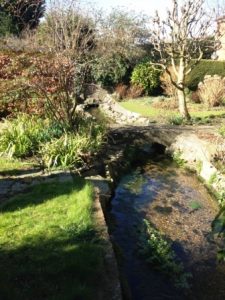 Two ancient springs flow close to a path
between lengths of woodstained fence and a car park
that tends to fill early on market days,
and neither even dampens a shoe.
They served the town through all the days,
topping up vessels carried from houses
to wash feet and faces, steep the week’s clothes,
refresh a tired horse or help wounds to heal.
Swelling in pools without really pausing,
they witnessed (if running water has time to)
how ducks and days take their leave in due course,
and how pipes and gravel envelop water.
Ripples might once have eased torment here.
Love might have been found, or not found, or not love.
Culverts and tarmac have covered the springs,
but covered means only not quite in sight.
Two ancient springs flow close to a path
between lengths of woodstained fence and a car park
that tends to fill early on market days,
and neither even dampens a shoe.
They served the town through all the days,
topping up vessels carried from houses
to wash feet and faces, steep the week’s clothes,
refresh a tired horse or help wounds to heal.
Swelling in pools without really pausing,
they witnessed (if running water has time to)
how ducks and days take their leave in due course,
and how pipes and gravel envelop water.
Ripples might once have eased torment here.
Love might have been found, or not found, or not love.
Culverts and tarmac have covered the springs,
but covered means only not quite in sight.
Back to poet list… Forward to next poet
.
.
.
.
.
.
.
.
.
.
.
.
.
.
.
.
.
***
Julian Dobson: In the garden with Andrew Marvell

Your poems got me checking out retreats
on mindful gardening. Psychologists say
twenty minutes in nature twice a week
can work wonders for your mental health.

Hand-mowing a meadow, for example:
limb-warming sun, the bend and pull,
elbow swing, spent flowers slashed for hay.
And I know you’d give up gold for green,

though there’s something about October light
edging its bronze across ripe apples,
awakening the nectar of a mouthful
of umber, peppery nasturtiums;

slicing open late calendula. What you
experienced face down on the grass,
your vision wiped out in green shades
was never the whole picture. Blade

by blade, shred and thresh – it still ends up
in cutting, and sooner or later
burning. There were gardens in Gaza
once. I think you understood the ambivalence

of bees (the thyme still waiting in the wings,
speaking of scented things, the stolen harvest)
 – here’s you and me, up to old tricks,
patterning chaos before the scythe-swish.
Back to poet list… Forward to next poet
.
.
.
.
.
.
.
.
.
.
.
.
.
.
.
.
.
***
Philip Dunkerley: Blue Sky Review

July in my garden, summer is here -
the sky is bright blue wherever I look.
I put my favourite patio chair in the shade,
and to hand, my phone and a glass
of cold beer. I’m reviewing a book
of love poems – the fancies of youth
all over again – they’re taking me back.
I read slowly and pause now and then
to look up and remember… which is when
I begin to notice the birds flying above.

They distract me. A red kite, way up high,
wandering patiently by. Another poem,
and a broad-winged buzzard spirals away.
The sun’s full-on today. Two more poems,
then a swallow, alone. I reach for my phone
and search to confirm that swallows
are partially white; turns out that’s right.
A collared dove somewhere behind me
calls softly of love, as if to remind me
I need to get on. There’s a lot still to do

and this is only the first read through.
I must pay attention - love poems
aren’t easy, and I cannot just be polite
and echo the phrases they write on the cover
promoting the book. But look, more birds -
a scatter of swifts and two crows (a pair).
Love is what we all share, us and the birds,
love of life, a blue sky and long sunny days.
And for me, sitting here, a cold beer
and a book full of circling words.
Back to poet list… Forward to next poet
.
.
.
.
.
.
.
.
.
.
.
.
.
.
.
.
.
***
Leo F Smyth: Responding to a critical comment

You cannot count the buttons on a shirt
whirling in the tumble dryer’s drum
nor glean the meaning of the words that hurt
and throw you in a spin; your swift riposte
straight from the gut is quick, too quick,
denial wrapping like a sodden sock round
clarity of thought, you argue sloppily,
your knickers well and truly in a knot.

For now, my friend, shrug off those words
that rumple up the work you thought completed
but, warrior that you are, in three days time
you’ll resurrect them from ‘deleted’
and mutter, shag it all, he has a point:
it takes a bit of steam to iron out all the creases.
Back to poet list… Forward to next poet
.
.
.
.
.
.
.
.
.
.
.
.
.
.
.
.
.
***
Sharon Black: Hope and Anchor

A title, a rhyme scheme
and a heartbreaking image walk into a bar.
I’ll have something elliptical, says the title.
The barman pours a sparkling elastic band.
A pint of abcbca for me, says the rhyme scheme.
The barman pulls at a steady rhythm, places it
on the counter. A glass of your house red,
says the image. The barman drops dead.
This is always happening to me,
sighs the image, heartbreakingly. I only ever
wanted to be a wry observation.
Back to poet list… Forward to next poet
.
.
.
.
.
.
.
.
.
.
.
.
.
.
.
.
.
***
Chrissy Banks: Disclaimer

This is a public apology to anyone real or imagined
who has ever existed in one of my poems.

Please note: just as the poem’s ‘I’
is not always the me
whose faults and failings you know so well,

so my ‘you’ may not be the ‘you’
you conceive of.

And the events I describe may not be,
in every respect, as you remember them.

Memory is a river whose waters are subject to change.
Besides, a poem may lie to deliver a truth.

You were always a model child/ mother/ father/
sister/ brother/ husband/ friend.

That poem was never about you anyway.
Back to poet list… Forward to next poet
.
.
.
.
.
.
.
.
.
.
.
.
.
.
.
.
.
***
Jeff Gallagher: @bridge1802

Hi guys, the GOAT, what a view!, to die for,
like, quick, stop, click, crop, selfie, wow!,
yeah, first thing, guys, early doors, you know,
and there’s like, a mist, like, there, on the water

and there’s boats and stuff, and all the buildings,
that big dome, what’s it called, totally amazing!!,
the air’s really clean, there’s no cars and that,
which is so weird, like it’s covid or something!!,

oh love this one, sun coming up on the Wheel,
and all the boats and that, on the water,
kind of reminds me of a mountain, but miles
better, ’cause there’s loads of stuff to look at, and

oh-my-god-it’s so sparkly, it’s moving dead fast,
it’s mad, like the river’s got a mind of its own,
spooky, yeah, some poet said the houses were just,
like, asleep, and the city, like, had a big heart,

well, that’s bollocks, right, I mean, it’s all made up,
like imagination, right?, but, guys, this is real!!!,
I need TWO americanos just to get over it!!!,
Bye guys, gtg, sending now, just share if you like
Back to poet list… Forward to next poet
.
.
.
.
.
.
.
.
.
.
.
.
.
.
.
.
.
***
Ann Youmans: Poetry by Rorschach

My pen blurts ink all over the page
Poetry by Rorschach
This is why ball points, gel pens, even typewriters exist
Jo March, with her ink-stained fingers
My left-handed father, starting his spiral notebooks from the back
I blot a pool of ink scented with violet
Unscrew the barrel and dip again
Think again feel again
Dredge again for that word that memory
Try to catch it before it
Seeps off this page
Drips on to others
Colors my hand
This swirl of purple
Swelling, rippling, overtaking, engulfing
Purple waves spinning between sea and sky
Blending becoming bleeding
Real ink real words on real
Paper bleeding onto real
Live hands leaving
Fingerprints across the day


Ann Youmans: Postprandial Seminar

The watch lies open on the table
Guts revealed for examination

The two old professors
Discuss the developments in their field

They have grilled me about my job
The theoretical aspects that aren’t in quarterly reports

We chew over evaluations, being evaluated, being motivated and motivating
What they really want to know is what mistakes people make

Do I try to instruct or just correct and move on?
What is the job when you aren’t a teacher?

When does the lesson stop, where are the edges of your field?
What would Chomsky say? (it depends when you ask)

Once you retire, who do you ask?
There is an actual institution called the Open University

The two old professors linger over the dinner table
Analyze the waiter’s dialect

The essays await
Back to poet list… Forward to next poet
.
.
.
.
.
.
.
.
.
.
.
.
.
.
.
.
.
***
Sultana Raza: Subterranean Machinations

When Dr Cellar found out
his latest book, Plumbing Psychology
had not only failed to be understood in-depth,
but been left out in the cold, and had
disgracefully lost the Delve Deeper Award
to Professor Pitt’s Unplugged Philosophy,
he started digging an academic hole
for the insufferable Pitt.

Pulling unseen strings from behind the scenes,
Dr Cellar made sure that Pitt’s path crossed
sultry Dr Lily Langtree’s often (enough)
so that she would lure him to accept a post

in swampy Florida, where his career would flounder
in the confusing quick sands of her love affairs,
and drown into obscurity before long.

A confirmed bachelor, Dr Cellar had omitted
to include Senior Researcher Colette Cave
in his naïve calculations. She not only pulled
Professor Pitt out of that mire, but
propelled his career to new heights,
by co-writing How to Fathom Femme Fatales,
(and admitting to being one herself
live on national TV).

Her questionable popularity enabled
the witless Pitt to win the Delve Deeper Award
twice in a row, breaking all previous records.
Back to poet list… Forward to next poet
.
.
.
.
.
.
.
.
.
.
.
.
.
.
.
.
.
***
Maggie Freeman: In 1340

On feast days Suno of Sweden had permission
to teach the De sphera in his house
and in summer, the windows being unshuttered
and latched open, the scent of cinnamon
and cardamom would drift from his oven
across the farmyard to mix with the perfume
of lilac sunlight and roses and call
up the track through the dark forest: Come!

Distant scholars would set aside their parchment
arguments and pens, don their red felt slippers
and in puffed shirt sleeves stroll through a canticle
of cuckoos, woodpeckers, wagtails, swallows, swifts and larks
swinging their arms, swords tangling at their sides
and they’d climb the log steps to Suno’s hall
shout: Heh! and enter, take seats on long benches
by the planks of his beech table, and become silent
while Suno fed them pedantic instruction
on the contiguous hemispheres structuring the universe

and his maidservant fed them succulent cakes –
drops of cream on the table top, crumbs that they got up
with fingertips dipped in schnapps or sweet ale.
Back to poet list…
.
..
.
.
.
.
.
.
.
.
.
.
.
.
.
.
***
Shanta Acharya is the author of thirteen books. Her latest collection of poems, Dear Life (2025), received a 5-star review and was an Editor’s Pick at Booklife (Publisher’s Weekly). Her previous collections include What Survives Is The Singing (2020), Imagine: New and Selected Poems (2017) and Dreams That Spell the Light (2010). Her doctoral study, The Influence of Indian Thought on Ralph Waldo Emerson, was published in 2001 and her novel, A World Elsewhere, in 2015. Founder of Poetry in the House, Acharya hosted a series of monthly poetry readings at Lauderdale House, Highgate, London, from 1996-2015. www.shanta-acharya.com
Pulkita Anand is an avid reader of poetry. Author of two children’s e-books, her recent eco-poetry collections are ‘we were not born to be erased’ and ‘What’s left Icarus?‘. Various publications include: short stories kids, New Verse News, Green Verse: An anthology of poems for our planet (Saraband Publication), Comparative Women, Origami Press, Asiatic, Inanna Publication, Bronze Bird Books, SAGE Magazine, The Sunlight Press and elsewhere.
Chrissy Banks lives in Exeter. Her latest collection/ pamphlet is The Uninvited (Indigo Dreams) and Frank (Smith/Doorstop). She won third prize in the Bridport Competition 2024 and first in the Ironbridge Festival Competition.
Tony Beyer writes in Taranaki, New Zealand. Recent poems have appeared online in US journals Hamilton Stone Review and Mudlark, and in Cordite (Australia).
Sharon Black is from Glasgow and lives in the Cévennes mountains. Her fifth full collection of poetry was published in May 2026 by Vagabond Voices.
Grace Booze is a writer from rural Ohio who specializes in creative writing with Americana themes. She channels gothic and rough aesthetics into her works to give an authentic look into rural America. You can reach her at her Instagram page: g.a.booze
Anna Bowles is an editor and activist who divides her time between London and east Ukraine. Her pamphlet Landscape With Mines was published by Mica Press in December 2025.
Adam Cairns is a poet and essayist whose work explores the intersection of landscape and legacy. His poetry is deeply rooted in the Herefordshire landscape, using the textures of the River Wye, the Malvern springs, and the local hop-yards. He is chair of Ledbury Poetry
Elizabeth Cathie is a writer of poetry and short stories inspired by everyday encounters, overheard conversations and people-watching. Her work has been published in several magazines and anthologies over recent years.
Sylvia Cohen is a retired psychotherapist living in London with her husband, children and grandchildren not too far away. She has been writing poetry since 2017, been published online and been shortlisted for some competitions, winning one. Enjoys all creative writing but particularly poetry.
Elizabeth Cook has published poetry, fiction, and libretti and was the editor of the Oxford Authors John Keats. A new pamphlet of her poems, Tumbling, will be published by Mariscat in October.
A C Clarke has published six collections and seven pamphlets, three in collaboration. Her last full collection was Alive Among Dead Stars (Broken Sleep Books December 2024). Her third collaborative pamphlet, Chiels & Quines, was published by Seahorse Publications in December 2025.
Sayani De’s work has been longlisted for the 2025 Commonwealth Short Story Prize, Asian Prize for Short Story 2025, and shortlisted for the 2025 Rama Mehta Writing Grant. Her stories have been published/ are forthcoming in several magazines, including Consequence, Solarpunk, The Bangalore Review, Tamarind Literary magazine, Muse India, The Selkie anthology, and Indian Literature. Her WIP debut novel was a finalist at the Alliance pitch fest in Bangalore. She lives in Kolkata, India. She is a techie by profession and has worked in the software industry for several years
Julian Dobson’s poems have appeared in numerous journals, including The Rialto, Stand, and Tears in the Fence. Julian lives in Sheffield.
Philip Dunkerley is active in the poetry of South Lincolnshire. He runs a poetry group, does open-mic events and reviews for Orbis. His poems have appeared widely in editor-moderated publications, including London Grip. Improbably, he is the current ‘Good Shout’ Slam Champion.
Robert Etty lives in Lincolnshire. His most recent collection is Beyond the Last House (Shoestring Press, 2024). His tribute to David Lightfoot appeared in London Grip on 20 May 2026
Maggie Freeman is one of the organisers of Station Poets, the Stanza group that meets in Chingford Library once a month
Anne Eyries has poetry published in various journals, including Amsterdam Quarterly, Consilience, Dream Catcher, Dust, Humana Obscura, London Grip, and Paperboats. She lives in France.
Jeff Gallagher is from Sussex, UK. He has been a teacher of English and Latin. His poems have been widely published in magazines and online, including Rialto, New Critique, The Madrigal, A New Ulster and Eat The Storms. He has also appeared in an Oscar-winning movie.
Eric D Goodman is author of seven books, including the bestselling Faraway Tables. He’s published hundreds of travel stories, poems, and stories. Learn more at www.EricDGoodman.com.
Stuart Handysides has returned to the North Midlands having lived in South East England for many years. He began writing as a general practitioner, worked as an editor of medical publications, and then focused on poetry. His poems have appeared in various magazines and anthologies and his first collection, the last one picked, was published in 2025 (Indigo Dreams). He ran the Ware Poets competition for 11 years.
Norbert Hirschhorn is a public health physician, commended by President Bill Clinton as an “American Health Hero,” proud to follow in the tradition of physician-poets. Hirschhorn has published eight collections, most recently ..endless things most beautiful… from La Rive Press, Minneapolis. See https://bertzpoet.com
Jackson has four published poetry collections and a PhD in Writing. Their poems have appeared in many journals and anthologies, including Ink Sweat & Tears and Poetry Aotearoa Yearbook. They were born in Cumbria, grew up in Australia and now live in New Zealand. writerjackson.com facebook.com/writerjackson Instagram: @thewriterjackson
Pam Job writes “Writing poems gives me great joy! Last year I had successes in various poetry competitions, winning First Prize in the Wirral competition. I also had a poem published in The Frogmore Papers.”
Sue Johns originates from Cornwall where she started performing as a punk poet, in the 1980’s. Publications include Hush (Morgan’s Eye Press, 2011) , Rented, Poems on Prostitution and Dependency (Palewell Press, 2018) and Track Record (Dempsey & Windle, 2021). She was highly commended in the Prole pamphlet
Vivien Jones lives on the north Solway shore in Scotland. She has poetry collections and short story collections in print, and her work has appeared in national & international anthologies and been broadcast on Radio Scotland and Radio 4. She leads creative writing projects geared to publication for regional arts organisations. She also writes drama, often as imagined renaissance texts for performance with 16th century music by the band she plays viols and recorders with.
David Keyworth writes “I was born in West Bromwich but grew up in North Lincolnshire. I was awarded a New Poets Bursary by the Northern Writers’ Awards, 2013 . My debut pamphlet, The Twilight Shift, is published by Wild Pressed. I have completed a sequence called Death and Taxis, which I’d like to include in another pamphlet.”
Steve Komarnyckyj’s literary translations and poems have appeared in Index on Censorship, Modern Poetry in Translation and many other journals. He is the holder of three PEN awards and a highly regarded English language poet whose work has been described as articulating “what it means to be human” (Sean Street). Two of his book length translations from Ukrainian have recently been published by Dedalus Books.
Caroline Maldonado is a poet and translator and lives in London and Italy. She has published four translated collections (Smokestack Books 2013-2022) and has 3 publications of her own poems with Indigo Dreams, Vole books and GVart. Her forthcoming collection On Loan is forthcoming with Poetry Salzburg in autumn 2026.
Christine McNeill has published seven poetry collections, the latest A Breath of Time (Shoestring Press, 2023). She has also translated Rilke (Agenda Editions, Dedalus Press) and a selection of German poets (Shoestring PressLament (2019), Typicity (2021) and Wreck of the Jeanne Gougy (2021). His poems about Gaza have featured in three anthologies of poetry for Palestine: We Are All Palestinians; Bring Me Gold: Fifty Poems for Palestine and Patterns of Return.
Rosemary Norman lives in London and has worked mainly as a librarian. Her most recent collection is Solace (Shoestring Press, 2022). Words & Pictures (Aspect Ratio, 2023) is a book of poems and stills made in collaboration with video artist Stuart Pound..
Of Indian origin, Sultana Raza has had poems published in numerous journals/anthologies, including Columbia Journal, The New Verse News, London Grip, Blaze Vox, Sparks of Calliope. Her fiction received an honorable mention in Glimmer Train Review. Her fiction is published in the Achilles Anthology by Flame Tree Publishing. Her creative non-fiction has appeared in Literary Ladies Guide, Literary Yard, and Litro. An independent scholar, she has presented papers on Romanticism (Keats) and Fantasy (Tolkien) in international conferences
Jennifer Rogers was born and educated in west Australia, then trained as a journalist and has worked on newspapers in Australia, Hong Kong, and the U.K., Other jobs include PR with the UN in New York and teaching in Nigeria. After returning to the U.K. she worked in the health services until retirement
Andrew Shields lives in Basel, Switzerland. His collection of poems “Thomas Hardy Listens to Louis Armstrong” was published by Eyewear in June 2015. His band Human Shields released the album “Somebody’s Hometown” in 2015 and the EP “Défense de jouer” in 2016. His poems have recently appeared online in Eunoia Review, Poem Alone, Shot Glass Journal, and Talking About Strawberries.
Mastodon: https://mas.to/@AndrewShields Ghost: https://111-words.ghost.io/
Richard Skinner has published seven books of poems. This poem is taken from his eighth book, Amends, which is forthcoming from Black Herald Press. He is Director of the Fiction Programme at Faber Academy and runs poetry courses for the Arvon Foundation, Moniack Mhor and Sarum College.
Leo F Smyth’s poems have been published in London Grip and The Ploughed Field Review and commended in a number of competitions.
Jayne Stanton has written commissions for a county museum, University of Leicester’s Centre for New Writing, poems for International Women’s Day, and a city residency. Her latest pamphlet, Have they marked you with arrows? was joint winner of the Poetry Space Prize 2024
Siobhan Ward won second prize in the Westival Poetry Competition 2024 and the Bangor Literary Journal 40 Words Competition 2025 and poems were shortlisted in the Live Canon Single Poem Competition 2024 and Ver Competitions 2023, 2024 and 202
Jim C Wilson’s writing has been widely published for over 40 years. The most recent of his five poetry collections is Come Close and Listen (Greenwich Exchange). His poems have been featured in over 40 anthologies. He taught Poetry in Practice sessions at Edinburgh University from 1994 until 2019, and at the Scottish Poetry Library until 2025. He was a Royal Literary Fund Writing Fellow from 2001 until 2007. He won first prize in several poetry competitions and was the Scottish Arts Council Writer in Residence for Stirling District. More info at: jimcwilson.com
Ann Youmans is an editor and writer who enjoys telling stories and experimenting with language. In her free time, she gorges on audiobooks while walking the dog.
Aug 31 2026
LONDON GRIP NEW POETRY #61 – AUTUMN 2026
LONDON GRIP NEW POETRY #61 – AUTUMN 2026 features poems by:
*Jennifer Rogers *David Keyworth *Tony Beyer *Pam Job
*Grace Booze *Caroline Maldonado *Vivien Jones *Sayani De
*Sue Johns *Pulkita Anand *Sylvia Cohen *Colin Pink
*Eric D Goodman *Anna Bowles *Stuart Handysides *Anne Eyries
*Jim C Wilson *Elizabeth Cook *Steve Komarnyckyj *Jackson
*A C Clarke *Siobhan Ward *Adam Cairns *Stuart Henson
*Shanta Acharya *Christine McNeill *Rosemary Norman *Norbert Hirschhorn
*Jayne Stanton *Elizabeth Cathie *Richard Skinner *Andrew Shields
*Robert Etty *Julian Dobson *Philip Dunkerley *Leo F Smyth *Sharon Black
*Chrissy Banks *Jeff Gallagher *Ann Youmans *Sultana Raza *Maggie Freeman
Contributor Biographies and Editor’s Notes are also included.
Copyright of all poems remains with the contributors
A printable version of this issue can be found at LG New Poetry Autumn 2026
London Grip New Poetry appears in March, June, September & December
SUBMISSION GUIDELINES:
Send up to THREE poems & a brief bio to poetry@londongrip.co.uk
Poems must be in a SINGLE Word attachment or within the message body
Our submission windows are January, April, July & October
Please do not include us in simultaneous submissions
Editor’s notes
The summer issue of London Grip New Poetry ended with some reflections on the consequences of war. This new edition picks up on similar themes, starting with a haunting poem about war graves by Jennifer Rogers and going on to deal with the sad realities and the misplaced fantasies surrounding conflict and considering the plight of the innocents who become separated from families and driven from their homes. All of this leads to reflections on how we view and value the security provided by our homes and households – and even our clothing – in what might be regarded as more normal and peaceful times. As a contrast, the magazine concludes on a lighter note with a few poems about poetry which are careful not to take themselves too seriously!
In order to accommodate the editor’s holidays, our summer submission window was intended to span only the month of June. Emails & media posts were sent out to that effect. Unfortunately, such messages do not reach everyone and, in particular, they aren’t seen by first-time contributors (of whom there have been gratifyingly many). And, to be frank, it appears that they are not always read attentively by those they do reach! So, in the event, we had a two-month June-July submission period and it was interesting to try and keep abreast of incoming emails over three weeks in Western Canada. Who knows whether absence from a familiar desk influenced any editorial decisions; but we do hope that all readers will find both challenge and enjoyment in the pages that follow.
*
Shortly before this issue went to press we received the sad news of the death of the poet David Perman. As well as having a long career as a BBC broadcaster, David was a publisher at the well-respected Rockingham Press and also the founder of Ware Poets in his home town in Hertfordshire. Most recently he was conducting a series of lively and interesting interviews with well-known poets for publication in Acumen magazine. David’s convivial presence at festivals and readings will be greatly missed.
Michael Bartholomew-Biggs
London Grip poetry editor
Back to poet list… Forward to first poet
.
.
.
.
.
.
.
.
.
.
.
.
.
.
.
.
.
***
Back to poet list… Forward to next poet
.
.
.
.
.
.
.
.
.
.
.
.
.
.
.
.
.
***
David Keyworth: Sunday Painting by the Somme After The Sleepy River Somme (1897) by Sir Alfred East Do you remember that afternoon?
We had a picnic and I painted the river,
it mirrored brass-coloured trees.
Its meander only disturbed
by white ducks swirling whirlpools
between sinking leaves.
There was no sound but breeze
crackling in branches,
the cough of ravens,
the whistle of skylarks.
No strollers, just a couple -
as old as we are now in the distance
with a crutch and a cart of firewood,
his wife focused on a point in the clouds
as if she saw a wound
reddening on the horizon.
Do you remember that afternoon?
We had a picnic and I painted the river,
it mirrored brass-coloured trees.
Its meander only disturbed
by white ducks swirling whirlpools
between sinking leaves.
There was no sound but breeze
crackling in branches,
the cough of ravens,
the whistle of skylarks.
No strollers, just a couple -
as old as we are now in the distance
with a crutch and a cart of firewood,
his wife focused on a point in the clouds
as if she saw a wound
reddening on the horizon.
Back to poet list… Forward to next poet
.
.
.
.
.
.
.
.
.
.
.
.
.
.
.
.
.
***
Back to poet list… Forward to next poet
.
.
.
.
.
.
.
.
.
.
.
.
.
.
.
.
.
***
Back to poet list… Forward to next poet
.
.
.
.
.
.
.
.
.
.
.
.
.
.
.
.
.
***
Back to poet list… Forward to next poet
.
.
.
.
.
.
.
.
.
.
.
.
.
.
.
.
.
***
Caroline Maldonado: Great white bird after Kandinsky’s ‘Cossacks’ I’ve already seen those houses
tumble
into a blue sea
they’re falling now
the rainbow’s not yet
broken
but it has fallen too
what’s happened to our
world? it hangs
all askew
war still out of sight
galloping this way
see the warriors at the ready –
high red caps
weapons aslant
but now look closer –
like lightning
that streak
of wings
I’ve already seen those houses
tumble
into a blue sea
they’re falling now
the rainbow’s not yet
broken
but it has fallen too
what’s happened to our
world? it hangs
all askew
war still out of sight
galloping this way
see the warriors at the ready –
high red caps
weapons aslant
but now look closer –
like lightning
that streak
of wings
Back to poet list… Forward to next poet
.
.
.
.
.
.
.
.
.
.
.
.
.
.
.
.
.
***
Vivien Jones: Lessons in the Bones https://en.wikipedia.org/wiki/Birka_grave_Bj_581 Scandanavia 1880s In the grave a warrior with generous grave goods, shields, an axe, a spear, a sword, a bow with weighty arrows, a stallion, a mare, some game pieces – a strategist then. 1970s Osteological analysis identifies the bones are female. Was she then a lover, a wife, a sister, cousin, aunt ? Was she laid there in jest, as a punishment, as an example ? Was she in receipt of inherited wealth ? 2017 After DNA investigations social anthropologists call for caution against false assumptions regarding social orders in past societies. Today In my heart and mind, Let her have been a sturdy woman, scarred, broken-nosed,gap-toothed, breasts bound for comfort in a fight, no blonde plaits, no horned helmet, a great belcher and farter, a screamer in sex,childbirth and battle, with thighs to grip a horse rather than a man. Let the warrior describe the woman. This poem was chosen as one of the best Scottish poems of 2021Back to poet list… Forward to next poet
.
.
.
.
.
.
.
.
.
.
.
.
.
.
.
.
.
***
Back to poet list… Forward to next poet
.
.
.
.
.
.
.
.
.
.
.
.
.
.
.
.
.
***
Back to poet list… Forward to next poet
.
.
.
.
.
.
.
.
.
.
.
.
.
.
.
.
.
***
Back to poet list… Forward to next poet
.
.
.
.
.
.
.
.
.
.
.
.
.
.
.
.
.
***
Back to poet list… Forward to next poet
.
.
.
.
.
.
.
.
.
.
.
.
.
.
.
.
.
***
Back to poet list… Forward to next poet
.
.
.
.
.
.
.
.
.
.
.
.
.
.
.
.
.
***
Back to poet list… Forward to next poet
.
.
.
.
.
.
.
.
.
.
.
.
.
.
.
.
.
***
Back to poet list… Forward to next poet
.
.
.
.
.
.
.
.
.
.
.
.
.
.
.
.
.
***
Back to poet list… Forward to next poet
.
.
.
.
.
.
.
.
.
.
.
.
.
.
.
.
.
***
Back to poet list… Forward to next poet
.
.
.
.
.
.
.
.
.
.
.
.
.
.
.
.
.
***
Back to poet list… Forward to next poet
.
.
.
.
.
.
.
.
.
.
.
.
.
.
.
.
.
***
Back to poet list… Forward to next poet
.
.
.
.
.
.
.
.
.
.
.
.
.
.
.
.
.
***
Back to poet list… Forward to next poet
.
.
.
.
.
.
.
.
.
.
.
.
.
.
.
.
.
***
Back to poet list… Forward to next poet
.
.
.
.
.
.
.
.
.
.
.
.
.
.
.
.
.
***
Back to poet list… Forward to next poet
.
.
.
.
.
.
.
.
.
.
.
.
.
.
.
.
.
***
Back to poet list… Forward to next poet
.
.
.
.
.
.
.
.
.
.
.
.
.
.
.
.
.
***
Back to poet list… Forward to next poet
.
.
.
.
.
.
.
.
.
.
.
.
.
.
.
.
.
***
Back to poet list… Forward to next poet
.
.
.
.
.
.
.
.
.
.
.
.
.
.
.
.
.
***
Shanta Acharya: Dance to the Music Of Time Close as twins, thick as thieves, best of friends – double helix, wrapped round each other, hope and despair – dance to the music of time. Living between hyphens, it’s taken a lifetime to arrive at where I am – a fine balancing act. A mountain of despair whittled into a stone of hope – a god nestles at the feet of an ancient tree – evergreen messengers, leaves whisper: Do not despair, one was saved; do not presume one was damned. Those who live in despair don’t know they carry hope in their heart, believing in things beyond reckoning – the willingness to lose and start at the beginning. The history of the world is written by winners, unreliable witnesses; their subterfuges the hardest to uncover. In a world of illusion, how does one thank the universe for revealing the truth beyond hope and despair?Back to poet list… Forward to next poet
.
.
.
.
.
.
.
.
.
.
.
.
.
.
.
.
.
***
Back to poet list… Forward to next poet
.
.
.
.
.
.
.
.
.
.
.
.
.
.
.
.
.
***
Back to poet list… Forward to next poet
.
.
.
.
.
.
.
.
.
.
.
.
.
.
.
.
.
***
Back to poet list… Forward to next poet
.
.
.
.
.
.
.
.
.
.
.
.
.
.
.
.
.
***
Back to poet list… Forward to next poet
.
.
.
.
.
.
.
.
.
.
.
.
.
.
.
.
.
***
Back to poet list… Forward to next poet
.
.
.
.
.
.
.
.
.
.
.
.
.
.
.
.
.
***
Back to poet list… Forward to next poet
.
.
.
.
.
.
.
.
.
.
.
.
.
.
.
.
.
***
Back to poet list… Forward to next poet
.
.
.
.
.
.
.
.
.
.
.
.
.
.
.
.
.
***
Robert Etty: St Helen’s and Aswell Under The Gatherums i.m. David Lightfoot (1941-2026) Two ancient springs flow close to a path
between lengths of woodstained fence and a car park
that tends to fill early on market days,
and neither even dampens a shoe.
They served the town through all the days,
topping up vessels carried from houses
to wash feet and faces, steep the week’s clothes,
refresh a tired horse or help wounds to heal.
Swelling in pools without really pausing,
they witnessed (if running water has time to)
how ducks and days take their leave in due course,
and how pipes and gravel envelop water.
Ripples might once have eased torment here.
Love might have been found, or not found, or not love.
Culverts and tarmac have covered the springs,
but covered means only not quite in sight.
Two ancient springs flow close to a path
between lengths of woodstained fence and a car park
that tends to fill early on market days,
and neither even dampens a shoe.
They served the town through all the days,
topping up vessels carried from houses
to wash feet and faces, steep the week’s clothes,
refresh a tired horse or help wounds to heal.
Swelling in pools without really pausing,
they witnessed (if running water has time to)
how ducks and days take their leave in due course,
and how pipes and gravel envelop water.
Ripples might once have eased torment here.
Love might have been found, or not found, or not love.
Culverts and tarmac have covered the springs,
but covered means only not quite in sight.
Back to poet list… Forward to next poet
.
.
.
.
.
.
.
.
.
.
.
.
.
.
.
.
.
***
Back to poet list… Forward to next poet
.
.
.
.
.
.
.
.
.
.
.
.
.
.
.
.
.
***
Back to poet list… Forward to next poet
.
.
.
.
.
.
.
.
.
.
.
.
.
.
.
.
.
***
Back to poet list… Forward to next poet
.
.
.
.
.
.
.
.
.
.
.
.
.
.
.
.
.
***
Back to poet list… Forward to next poet
.
.
.
.
.
.
.
.
.
.
.
.
.
.
.
.
.
***
Back to poet list… Forward to next poet
.
.
.
.
.
.
.
.
.
.
.
.
.
.
.
.
.
***
Back to poet list… Forward to next poet
.
.
.
.
.
.
.
.
.
.
.
.
.
.
.
.
.
***
Back to poet list… Forward to next poet
.
.
.
.
.
.
.
.
.
.
.
.
.
.
.
.
.
***
Back to poet list… Forward to next poet
.
.
.
.
.
.
.
.
.
.
.
.
.
.
.
.
.
***
Back to poet list…
.
..
.
.
.
.
.
.
.
.
.
.
.
.
.
.
***
Shanta Acharya is the author of thirteen books. Her latest collection of poems, Dear Life (2025), received a 5-star review and was an Editor’s Pick at Booklife (Publisher’s Weekly). Her previous collections include What Survives Is The Singing (2020), Imagine: New and Selected Poems (2017) and Dreams That Spell the Light (2010). Her doctoral study, The Influence of Indian Thought on Ralph Waldo Emerson, was published in 2001 and her novel, A World Elsewhere, in 2015. Founder of Poetry in the House, Acharya hosted a series of monthly poetry readings at Lauderdale House, Highgate, London, from 1996-2015. www.shanta-acharya.com
Pulkita Anand is an avid reader of poetry. Author of two children’s e-books, her recent eco-poetry collections are ‘we were not born to be erased’ and ‘What’s left Icarus?‘. Various publications include: short stories kids, New Verse News, Green Verse: An anthology of poems for our planet (Saraband Publication), Comparative Women, Origami Press, Asiatic, Inanna Publication, Bronze Bird Books, SAGE Magazine, The Sunlight Press and elsewhere.
Chrissy Banks lives in Exeter. Her latest collection/ pamphlet is The Uninvited (Indigo Dreams) and Frank (Smith/Doorstop). She won third prize in the Bridport Competition 2024 and first in the Ironbridge Festival Competition.
Tony Beyer writes in Taranaki, New Zealand. Recent poems have appeared online in US journals Hamilton Stone Review and Mudlark, and in Cordite (Australia).
Sharon Black is from Glasgow and lives in the Cévennes mountains. Her fifth full collection of poetry was published in May 2026 by Vagabond Voices.
Grace Booze is a writer from rural Ohio who specializes in creative writing with Americana themes. She channels gothic and rough aesthetics into her works to give an authentic look into rural America. You can reach her at her Instagram page: g.a.booze
Anna Bowles is an editor and activist who divides her time between London and east Ukraine. Her pamphlet Landscape With Mines was published by Mica Press in December 2025.
Adam Cairns is a poet and essayist whose work explores the intersection of landscape and legacy. His poetry is deeply rooted in the Herefordshire landscape, using the textures of the River Wye, the Malvern springs, and the local hop-yards. He is chair of Ledbury Poetry
Elizabeth Cathie is a writer of poetry and short stories inspired by everyday encounters, overheard conversations and people-watching. Her work has been published in several magazines and anthologies over recent years.
Sylvia Cohen is a retired psychotherapist living in London with her husband, children and grandchildren not too far away. She has been writing poetry since 2017, been published online and been shortlisted for some competitions, winning one. Enjoys all creative writing but particularly poetry.
Elizabeth Cook has published poetry, fiction, and libretti and was the editor of the Oxford Authors John Keats. A new pamphlet of her poems, Tumbling, will be published by Mariscat in October.
A C Clarke has published six collections and seven pamphlets, three in collaboration. Her last full collection was Alive Among Dead Stars (Broken Sleep Books December 2024). Her third collaborative pamphlet, Chiels & Quines, was published by Seahorse Publications in December 2025.
Sayani De’s work has been longlisted for the 2025 Commonwealth Short Story Prize, Asian Prize for Short Story 2025, and shortlisted for the 2025 Rama Mehta Writing Grant. Her stories have been published/ are forthcoming in several magazines, including Consequence, Solarpunk, The Bangalore Review, Tamarind Literary magazine, Muse India, The Selkie anthology, and Indian Literature. Her WIP debut novel was a finalist at the Alliance pitch fest in Bangalore. She lives in Kolkata, India. She is a techie by profession and has worked in the software industry for several years
Julian Dobson’s poems have appeared in numerous journals, including The Rialto, Stand, and Tears in the Fence. Julian lives in Sheffield.
Philip Dunkerley is active in the poetry of South Lincolnshire. He runs a poetry group, does open-mic events and reviews for Orbis. His poems have appeared widely in editor-moderated publications, including London Grip. Improbably, he is the current ‘Good Shout’ Slam Champion.
Robert Etty lives in Lincolnshire. His most recent collection is Beyond the Last House (Shoestring Press, 2024). His tribute to David Lightfoot appeared in London Grip on 20 May 2026
Maggie Freeman is one of the organisers of Station Poets, the Stanza group that meets in Chingford Library once a month
Anne Eyries has poetry published in various journals, including Amsterdam Quarterly, Consilience, Dream Catcher, Dust, Humana Obscura, London Grip, and Paperboats. She lives in France.
Jeff Gallagher is from Sussex, UK. He has been a teacher of English and Latin. His poems have been widely published in magazines and online, including Rialto, New Critique, The Madrigal, A New Ulster and Eat The Storms. He has also appeared in an Oscar-winning movie.
Eric D Goodman is author of seven books, including the bestselling Faraway Tables. He’s published hundreds of travel stories, poems, and stories. Learn more at www.EricDGoodman.com.
Stuart Handysides has returned to the North Midlands having lived in South East England for many years. He began writing as a general practitioner, worked as an editor of medical publications, and then focused on poetry. His poems have appeared in various magazines and anthologies and his first collection, the last one picked, was published in 2025 (Indigo Dreams). He ran the Ware Poets competition for 11 years.
Norbert Hirschhorn is a public health physician, commended by President Bill Clinton as an “American Health Hero,” proud to follow in the tradition of physician-poets. Hirschhorn has published eight collections, most recently ..endless things most beautiful… from La Rive Press, Minneapolis. See https://bertzpoet.com
Jackson has four published poetry collections and a PhD in Writing. Their poems have appeared in many journals and anthologies, including Ink Sweat & Tears and Poetry Aotearoa Yearbook. They were born in Cumbria, grew up in Australia and now live in New Zealand. writerjackson.com facebook.com/writerjackson Instagram: @thewriterjackson
Pam Job writes “Writing poems gives me great joy! Last year I had successes in various poetry competitions, winning First Prize in the Wirral competition. I also had a poem published in The Frogmore Papers.”
Sue Johns originates from Cornwall where she started performing as a punk poet, in the 1980’s. Publications include Hush (Morgan’s Eye Press, 2011) , Rented, Poems on Prostitution and Dependency (Palewell Press, 2018) and Track Record (Dempsey & Windle, 2021). She was highly commended in the Prole pamphlet
Vivien Jones lives on the north Solway shore in Scotland. She has poetry collections and short story collections in print, and her work has appeared in national & international anthologies and been broadcast on Radio Scotland and Radio 4. She leads creative writing projects geared to publication for regional arts organisations. She also writes drama, often as imagined renaissance texts for performance with 16th century music by the band she plays viols and recorders with.
David Keyworth writes “I was born in West Bromwich but grew up in North Lincolnshire. I was awarded a New Poets Bursary by the Northern Writers’ Awards, 2013 . My debut pamphlet, The Twilight Shift, is published by Wild Pressed. I have completed a sequence called Death and Taxis, which I’d like to include in another pamphlet.”
Steve Komarnyckyj’s literary translations and poems have appeared in Index on Censorship, Modern Poetry in Translation and many other journals. He is the holder of three PEN awards and a highly regarded English language poet whose work has been described as articulating “what it means to be human” (Sean Street). Two of his book length translations from Ukrainian have recently been published by Dedalus Books.
Caroline Maldonado is a poet and translator and lives in London and Italy. She has published four translated collections (Smokestack Books 2013-2022) and has 3 publications of her own poems with Indigo Dreams, Vole books and GVart. Her forthcoming collection On Loan is forthcoming with Poetry Salzburg in autumn 2026.
Christine McNeill has published seven poetry collections, the latest A Breath of Time (Shoestring Press, 2023). She has also translated Rilke (Agenda Editions, Dedalus Press) and a selection of German poets (Shoestring PressLament (2019), Typicity (2021) and Wreck of the Jeanne Gougy (2021). His poems about Gaza have featured in three anthologies of poetry for Palestine: We Are All Palestinians; Bring Me Gold: Fifty Poems for Palestine and Patterns of Return.
Rosemary Norman lives in London and has worked mainly as a librarian. Her most recent collection is Solace (Shoestring Press, 2022). Words & Pictures (Aspect Ratio, 2023) is a book of poems and stills made in collaboration with video artist Stuart Pound..
Of Indian origin, Sultana Raza has had poems published in numerous journals/anthologies, including Columbia Journal, The New Verse News, London Grip, Blaze Vox, Sparks of Calliope. Her fiction received an honorable mention in Glimmer Train Review. Her fiction is published in the Achilles Anthology by Flame Tree Publishing. Her creative non-fiction has appeared in Literary Ladies Guide, Literary Yard, and Litro. An independent scholar, she has presented papers on Romanticism (Keats) and Fantasy (Tolkien) in international conferences
Jennifer Rogers was born and educated in west Australia, then trained as a journalist and has worked on newspapers in Australia, Hong Kong, and the U.K., Other jobs include PR with the UN in New York and teaching in Nigeria. After returning to the U.K. she worked in the health services until retirement
Andrew Shields lives in Basel, Switzerland. His collection of poems “Thomas Hardy Listens to Louis Armstrong” was published by Eyewear in June 2015. His band Human Shields released the album “Somebody’s Hometown” in 2015 and the EP “Défense de jouer” in 2016. His poems have recently appeared online in Eunoia Review, Poem Alone, Shot Glass Journal, and Talking About Strawberries.
Mastodon: https://mas.to/@AndrewShields Ghost: https://111-words.ghost.io/
Richard Skinner has published seven books of poems. This poem is taken from his eighth book, Amends, which is forthcoming from Black Herald Press. He is Director of the Fiction Programme at Faber Academy and runs poetry courses for the Arvon Foundation, Moniack Mhor and Sarum College.
Leo F Smyth’s poems have been published in London Grip and The Ploughed Field Review and commended in a number of competitions.
Jayne Stanton has written commissions for a county museum, University of Leicester’s Centre for New Writing, poems for International Women’s Day, and a city residency. Her latest pamphlet, Have they marked you with arrows? was joint winner of the Poetry Space Prize 2024
Siobhan Ward won second prize in the Westival Poetry Competition 2024 and the Bangor Literary Journal 40 Words Competition 2025 and poems were shortlisted in the Live Canon Single Poem Competition 2024 and Ver Competitions 2023, 2024 and 202
Jim C Wilson’s writing has been widely published for over 40 years. The most recent of his five poetry collections is Come Close and Listen (Greenwich Exchange). His poems have been featured in over 40 anthologies. He taught Poetry in Practice sessions at Edinburgh University from 1994 until 2019, and at the Scottish Poetry Library until 2025. He was a Royal Literary Fund Writing Fellow from 2001 until 2007. He won first prize in several poetry competitions and was the Scottish Arts Council Writer in Residence for Stirling District. More info at: jimcwilson.com
Ann Youmans is an editor and writer who enjoys telling stories and experimenting with language. In her free time, she gorges on audiobooks while walking the dog.