May 10 2026
GETTING YOUR POETRY PUBLISHED
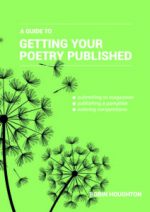
A GUIDE TO GETTING YOUR POETRY PUBLISHED: Thomas Ovans reviews a comprehensive instruction manual for new poets by Robin Houghton and notes that it can also be a useful refresher course for old hands
A Guide to Getting Your Poetry Published
Robin Houghton
Telltale Press
ISBN: 978099285598
60pp £12 PLUS p&p from https://apoetsguide.co.uk/
This practical and accessible book contains everything that you wanted to know (but were afraid to ask) about getting your poems unto the hands of readers other than members of your immediate family. Everything, that is, but instruction in the actual craft of writing poetry. There are other books which do that – but they very seldom spell out the many simple yet easily-overlooked steps that enable a poet to present her work effectively and attractively both to a potential audience and also, even more importantly, to the gatekeepers who stand between her and that audience.
The wisdom and experience contained in this book is mostly that of Houghton herself; but she has also included many epigram-like insights from other poets, editors and publishers such as Jane Commane, Helen Ivory, Richard Skinner, Clair Booker and Paul Stephenson. (Even our own London Grip poetry editor has contributed a few helpful thoughts.)
The book proceeds in a friendly conversational style, often by posing and answering questions. Why should I start by offering poems to magazines rather than putting together a collection to send to a book publisher? If I am impatient for recognition might I do better to enter competitions? If I do decide to send my work to magazines, how can I tell if my poems are ready and which magazines they seem most suitable for? A step towards finding an answer to that last question is provided by a useful list of about seventy current magazines, both print and on-line.
Alongside such questions and responses there are also some very firm commandments (e.g. always read and follow any submission guidelines) and strong recommendations (e.g. devise a robust system to help you keep track of which poems have been sent where).
Then again, Houghton knows when and how to offer gentle, positive encouragement. She devotes three or four very constructive pages to advice on what to do when your poem is rejected. (There is a single balancing bring-you-down-to earth page on some dos and don’ts in the happy circumstance that a poem gets accepted.)
The second half of the book is for the poet who has had a fair amount of success in small magazines and now feels ready to try publishing a first collection. This will almost certainly be a pamphlet (since a full 60-page volume would be a realistic aspiration only in the very rare case of a poet who has emerged from nowhere to win an extremely big prize). Houghton provides a useful list of twenty-odd pamphlet publishers and has helpful things to say about the etiquette of approaching them. The main difference between submitting a handful of poems to a magazine and offering a bigger selection as a possible pamphlet is that the poems now have to be equally strong and must be linked by some coherent theme or narrative thread. Needless to say, Houghton has assembled some good advice about how to recognize which of your poems will best fit together and in what order.
Getting Your Poetry Published is an easy read for a new poet wanting an overview of how to get started (and also for an experienced poet who may have lapsed into some sloppy habits regarding their submission strategies!). More importantly it is straightforward to find and turn to the relevant section for reminders about a specific stage in the publication process. In short it is a very valuable book for an aspiring poet and one still likely to come in handy during her later career
Quick round-up of poetry & other happenings – Robin Houghton
28/05/2026 @ 10:58
[…] Two things. Firstly, the ‘Guide to Getting your Poetry Published’ is out in the world (literally: orders from Canada, Singapore, Sweden, France, India …) so that’s one big project finished. And thank you to Thomas Ovans for his review of the book on London Grip. […]
Poetry Blog Digest 2026, Week 22 – Via Negativa
01/06/2026 @ 23:13
[…] Two things. Firstly, the ‘Guide to Getting your Poetry Published’ is out in the world (literally: orders from Canada, Singapore, Sweden, France, India …) so that’s one big project finished. And thank you to Thomas Ovans for his review of the book on London Grip. […]