*
LONDON GRIP NEW POETRY #60 – SUMMER 2026 features poems by:
*Diana Cant *Kim Waters *Prue King *John Whitehouse
*Michael Mintrom *Stuart Pickford *Kathleen McPhilemy *Siobhan Ward
* Elisabeth Sennitt Clough *David I Hughes *Sue Spiers *Tim Love
*Andrew Barnes *Nasrin Parvaz *Paul Stephenson *Bruce Christianson
*Joan Dance *Leo F Smyth *Fiona Clark *Barry Smith
*Audrey Cotterell *Pam Zinnemann-Hope *Denise Bundred *Vicky Kidd
*Elizabeth Osmond *Oz Hardwick *Charles G Lauder *David Dumouriez
*Elena Karina Byrne *Suzanna Fitzpatrick *Mary Mulholland *Claire Booker
*Elizabeth Cathie *Nancy Mattson *Anne Broeksma *Mervyn Linford
*Oleg Semonov *Dan Janoff *John Freeman *Brent Cantwell
Copyright of all poems remains with the contributors
Contributor Biographies and Editor’s Notes are also included.
A printable version of this issue can be found at LG New Poetry Summer 2026
London Grip New Poetry appears early in March, June, September & December
Our SUBMISSION WINDOWS are January, April, June & October
Please send no more than THREE poems & a brief bio to poetry@londongrip.co.uk
Poems should be in a SINGLE Word attachment or included in the message body
Please do not include us in simultaneous submissions
*
 Editor’s notes
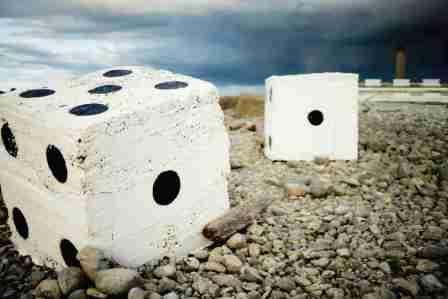
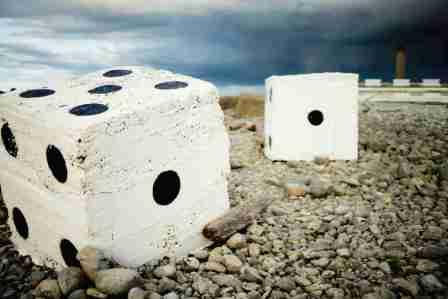
A few weeks ago, I watched the Jim Jarmusch film Father Mother Sister Brother which tells three distinct stories, with no overlapping characters, which are subtly linked by a string of small images and passing references. The poems in this posting of LGNP seem to be connected in a similar way. Clocks and buses make rather frequent appearances and so too do landscape paintings and portraits revealing unexpected kinds of likeness. Our cover picture by Peter Sedgwick illustrates one of these unlooked-for similarities by showing how a few touches of paint can transform the concrete blocks on Aberthaw beach into raw material for John Freeman’s poem.
It is unusual for such small recurring details to be the glue that holds our poems together. Often they are linked by much broader themes which emerge spontaneously from the contributions, as if our poets were independently converging on issues of common concern. As always, however, it is ultimately for each reader to discern what the collective voices seem to be saying; but we hope that at the same time they will simply enjoy the poetry!
Looking ahead, readers are asked to note that the next submission window opens in June, i.e. shortly after the launch of this issue. This deprives your editor of a breathing space but it is made necessary by the complexity of his summer travel plans. For this same reason, editorial responses during June and July may not always be as prompt as we would like. Nevertheless, we hope that the autumn edition will appear on time around the beginning of September
Michael Bartholomew-Biggs
London Grip poetry editor
Back to poet list… Forward to first poet
.
.
.
.
.
.
.
.
.
.
.
.
.
.
.
.
.
***
Diana Cant: Almost epiphany

A strange sky: clouds stacked
in racks of grey and backlit white,
gold shafts a Jacob’s ladder to the sun,
last night’s snow the briefest apparition,
now shrouded by the rain.

The dog and I walk Hangman’s Wood
the first time this new year; tangled
branches blow across the path,
fresh evidence of badger snarl and scuffle,
earth swept bare beyond the sett.

Above, a buzzard’s plaintive mewl,
another cries and then another,
suddenly one flies from a tree so near me
its wingtips brush my hair;
beyond the black skeletal boughs

the sky is filled with birds,
they wheel and turn, wheel and turn,
the wood spins, the world spins,
an ancient panic in the air;
three warning barks from the dog

and I am unearthed, uncertain:
I stumble, grasp ash saplings
to right myself, glance up.
A red kite, forked tail unmistakable,
circles against the winter sun:

magnificent intruder, never known
in these woods before,
upending existing order –
breath-stealing, visceral,
almost miraculous, almost sublime.
Back to poet list… Forward to next poet
.
.
.
.
.
.
.
.
.
.
.
.
.
.
.
.
.
***
Kim Waters: On Brueghel’s Hunters in the Snow
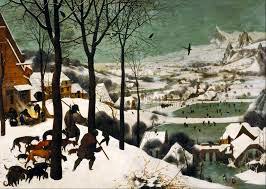 Everything, but nothing,
is still -
not the hunters
who lead
their spiral-tailed hounds
down the hill,
not the skaters tilting
over
an amorphous pond,
not the women
tending a blaze of straw,
not even the bird
arrowed above
the slope-roofed barns
ready to swoop.
What’s captured in paint
makes fools of us all
who suspend
our disbelief
on a crooked inn sign
that threatens,
but will never fall.
Everything, but nothing,
is still -
not the hunters
who lead
their spiral-tailed hounds
down the hill,
not the skaters tilting
over
an amorphous pond,
not the women
tending a blaze of straw,
not even the bird
arrowed above
the slope-roofed barns
ready to swoop.
What’s captured in paint
makes fools of us all
who suspend
our disbelief
on a crooked inn sign
that threatens,
but will never fall.
Back to poet list… Forward to next poet
.
.
.
.
.
.
.
.
.
.
.
.
.
.
.
.
.
***
Prue King: The Picture
Self-portrait by Andrew Newell Wyeth (1945 -2009)
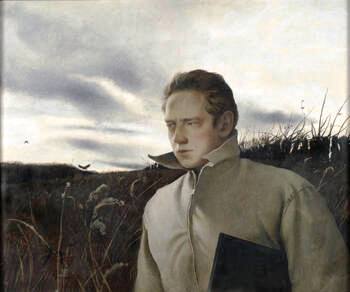 Broody weather over a broody man’s shoulder,
a warning hawk hovers. The man in the jacket
carries a laptop, striding to a point
beyond the prickly autumnal grass.
My dogs in their beds look to the door
leading to my sister’s kitchen and hoping
for breakfast. On a low table there’s a toilet bag,
a computer lead and a tin with Oxford Dictionary
printed across the side.
In the distance a second hawk searches,
his lethal eyes scanning for prey. What are your eyes
fixed on, man? Not the glowering sky that
enters my bedroom, threatening the day. But
I’ll be up soon into sunshine.
Magpies and tui call me outside. In the painting
a small murmuration of starlings
flecked against sombre skies, silhouetted
tan and amber grasses, his jacket the colour
of bone.
From the door the bedroom is odd, diamond
shaped, a single bed protruding between two
kauri desks. Bare walls except for a vivid blue
cap hooked to white walls. Dog beds.
The hawk attacks, a bullet unseen by the
grassy mouse who’s soaring higher than she’s ever been
or will be again. The other bird veers south. I feel
the mouse’s terror, half wanting to be
released to the safety of the ground and half
wanting to be held.
Broody weather over a broody man’s shoulder,
a warning hawk hovers. The man in the jacket
carries a laptop, striding to a point
beyond the prickly autumnal grass.
My dogs in their beds look to the door
leading to my sister’s kitchen and hoping
for breakfast. On a low table there’s a toilet bag,
a computer lead and a tin with Oxford Dictionary
printed across the side.
In the distance a second hawk searches,
his lethal eyes scanning for prey. What are your eyes
fixed on, man? Not the glowering sky that
enters my bedroom, threatening the day. But
I’ll be up soon into sunshine.
Magpies and tui call me outside. In the painting
a small murmuration of starlings
flecked against sombre skies, silhouetted
tan and amber grasses, his jacket the colour
of bone.
From the door the bedroom is odd, diamond
shaped, a single bed protruding between two
kauri desks. Bare walls except for a vivid blue
cap hooked to white walls. Dog beds.
The hawk attacks, a bullet unseen by the
grassy mouse who’s soaring higher than she’s ever been
or will be again. The other bird veers south. I feel
the mouse’s terror, half wanting to be
released to the safety of the ground and half
wanting to be held.
Back to poet list… Forward to next poet
.
.
.
.
.
.
.
.
.
.
.
.
.
.
.
.
.
***
John Whitehouse: Pike

He spreads the equipment in the sand. A newspaper, a rod,
a 15 lb line, a float, and a barbell hook.

The pike are sunning themselves like hired guns in slack
waters. Reels click and sing out,

spinning against the slant of the lake, the rise and fall of its swell,
like the tilted breast of a girl, swimming.

He jumps to attention, feels the electricity of the line, twisting
like a divining rod, flexing like a whip.

The pike surfaces in an eruption of water, blue ripples sprawling out.
He is controlling nature, like a man

taming wild stallions. Come what may, he will win the fight.  The barbell
hook goes through the pike’s eye, severing

the nerve, one eyeball floating filmily in the keep-net. The pike drags
the eye behind him, one eyed, like a pirate,

He gently lifts the prehistoric pike, lowers it to the slow running water
of the emerald pool, like a doomed galleon.
Back to poet list… Forward to next poet
.
.
.
.
.
.
.
.
.
.
.
.
.
.
.
.
.
***
Michael Mintrom: Coleridge’s Ancient Mariner at Circular Quay

I shot a bird — an albatross.
Walk past, heard this before?

Schlepping land-to-land,
doing time,
confessing my crime.

I’ve been called a ‘Greybeard loon,’
deemed by the poet ‘unpoetic.’

Your Opera House is quite dramatic.
But I’m here about your backyard antics —
cooking the planet.

Four hundred billion birds.
You’re cooking them all.

And everything else.

Relax in your harbour-front bars—
dare to ignore me.

As I was damned
you’ll be damned.

End your weddings and booze-ups.
An ungodly typhoon’s heading in.
Back to poet list… Forward to next poet
.
.
.
.
.
.
.
.
.
.
.
.
.
.
.
.
.
***
Stuart Pickford: Mr Punch

Shiny water, that’s me. I’m the oily slick
at the end of the long and winding. The sun

mops up any moisture, does my bidding.
Kids grizzle if I’m not the first sight of the sea.

I kick off above barbecues, throw a strop,
stop your dreams becoming flesh and bone.

In black and white films where the pilot’s downed
the bomber in the sand, I hate being the oasis.

I’m the magician’s sleight of hand that hid
Saddam’s chemical weapons in the baking heat.

I’m the winning Euro lottery ticket you lost,
the promise you made yourself to hit Delete.

Wise up. You can see I’m more than a mirage:
I’m you. In this genre, there’s no happy ending,

Sleeping Beauty. You’ll address me as Mr Punch
or do you like A&E? Now, where the hell is Judy?
Back to poet list… Forward to next poet
.
.
.
.
.
.
.
.
.
.
.
.
.
.
.
.
.
***
Kathleen McPhilemy: Dead as a doornail

Doornails in a glass case
clinched survivors of doors
and rooms; imagine a woman
clutching five valueless nails
standing in the ash
in the embers of her village;

she counts her dead
a nail for each of her children
a nail for their father

she’s the survivor
a valueless single-use woman
clinched as doornails were clinched

clinched as nails for horseshoes were clinched
after the sizzle and singe of hot iron.

            Note: A clinched nail can only be used once; after that it is ‘dead’.


Kathleen McPhilemy: The New Riviera

She buries her head in the wrong sand
too many bones too close to the surface
hotel lifts crowded with ghosts
shaking the keys to their lost apartments;

she tries the glitzy promenade
with shops and stuff and still more stuff
evening and suddenly the breeze is chill
the sea one red in the setting sun;

raucous spotlights divide the skies
exploding colours of all-night action
her path is gated at either end
and the guards are masked in smiley emojis;

they pose with her in coercive selfies
setting the filter  to ‘young and happy’.
Back to poet list… Forward to next poet
.
.
.
.
.
.
.
.
.
.
.
.
.
.
.
.
.
***
Siobhan Ward: Breakup

Years later you’d find splinters -
in corners, under chairs, the gap
between the tiles and the stairs –
thin slivers, stubby chunks -
and though the morning after,
you scrubbed the kitchen wall,
a Malbec’s not so easy to erase.
Your eye still finds brown drips
on the radiator body, a purple line
above the skirting board - stains
that blush to recall that night
when more than glass got broken.
Back to poet list… Forward to next poet
.
.
.
.
.
.
.
.
.
.
.
.
.
.
.
.
.
***
Elisabeth Sennitt Clough: This is how nights go sometimes, babe
He was late again. With each second something loosened like a tooth. The radiator
wore its rust. Paper curled from the wall like dry skin. The goldfish listed in its bowl.
I counted time in pills. This is how it starts.

The air  smelled of pennies. An ulcer opened in my mouth, a soft undoing of itself.
I gathered  hair  from the sink, wiped  the mirror and  watched steam  draw a new
map. This is how it spreads.

The bed exhaled dust. A fly circled the same air, forgetting itself. My tongue  kept
worrying the  ulcer open. The  room  tipped, like  water in  a bowl.  This is  how it
waits.

Dust drifted in moth-wing  patterns. At last, that familiar engine dragging the night
behind it. The shadows in  the room gathered their belongings. This is how it ends.

He pinched my cheek, testing fruit on a market stall.The fly swam its slow circles in
the air. The goldfish pressed itself to the glass. Blood swirled in the sink.This is how
nights go sometimes, babe.
Back to poet list… Forward to next poet
.
.
.
.
.
.
.
.
.
.
.
.
.
.
.
.
.
***
David I Hughes: Mathematics Of The Night
– a triptych. The night keeps its own accounts

 i. The Ledger of Petal & Rust
After the ninth client, the orchid
unfurls its velvet cipher—a wet
and waiting mathematics. She counts
in increments of want, each hour
a currency the rain erodes.

The mirror holds its tongue.
A man pays to be forgotten.
Another pays to be remembered
wrong. The walls breathe
a wallpaper of lilies, peeling
into confession.

Here, the transaction is simple:
loneliness exchanges hands
like counterfeit bills.
She learns the grammar of exit—
how to unbecome a room,
how to fold herself into
the small hours where
nothing owns her.

Outside, gulls tear the sky open.
The sea repeats its one lesson:
you owe, you owe.

She keeps a jar of buttons
by the bed. Each one
a name she’ll never need
again.

   ii. Pavement Cantos
The curb has its own liturgy.
She kneels not to pray
but to be seen—
a hinge between
streetlight & headlight,
each car a question
she answers with her body.

He rolls down glass. Offers
a wage. She thinks:
what window does he press his face to
when the hunger turns
from want to wanting to be
rid of wanting?

She counts his years in the crease
of his wallet. Already
spent before she touches it.

The rain has a long memory.
It remembers her mother’s mother
on this same corner,
the same sodium glare
rendering them both
in amber—preserved
but not protected.

A policeman’s torch
is a different kind of light.
It asks for nothing
it doesn’t already intend to take.

She learns the street’s arithmetic:
men are geography.
Some you pass through.
Some claim you as territory.
Some leave a map of bruises
you learn to read
by touch.

     iii. Confiteor
The money already
a dead thing in his palm.

He drove home
with the windows down
though it was January.
Cold as absolution.
Cold as the nothing
she said when he left.

His wife’s hands
in the dishwater.
She doesn’t turn.
He wants her to turn.
He wants her to know
without him having to say it.
He wants her to say it first
so, he can be forgiven
without asking.

The children’s shoes
by the door.
Small. Ordered.
He counts them.
One. Two. Three.
Four small vessels
that have never held
this particular shame.

He showers.
Soap, then soap again.
The water circles
the drain like
a throat clearing.
He thinks: I am a man
who has done this.
Then: I am a man
who will do this again.

In bed he lies
beside her breathing.
The ceiling holds
nothing.
He rehearses
a confession
in a language
she does not speak.
Back to poet list… Forward to next poet
.
.
.
.
.
.
.
.
.
.
.
.
.
.
.
.
.
***
Sue Spiers: silence as relationship conditioning

You tell me I must be silent when you’re
speaking, to let you finish your thought,
get out the full meaning of your words.

I find it difficult, when your pauses grow,
to know if your thought has finished,
whether it’s for effect or where you

have forgotten the word you want, what
you intended to say – lost the train,
run out of steam, never had much to say.

In this kind of pause, when I ask
a question, either to show engagement
or to refute what you say as not true

for everyone or from a particular perspective,
you tell me you haven’t finished, as if some
epiphany will fall on me if I only listen

to the next five minutes of your monologue.
Do you really need me to listen? Have you
grown bored by the void of my attention.

You have begun to suspect I don’t always
listen. Increasingly I don’t say anything,
not wishing to waste precious breath.

.   This poem was generated from prompts with The January Writing Hour
. with Clare Shaw and Kim Moore.
Back to poet list… Forward to next poet
.
.
.
.
.
.
.
.
.
.
.
.
.
.
.
.
.
***
Tim Love: A bad night

I have a key to wind my father's clock. With another
I open its glass face. Years strike. Seconds explode.
The lampshade's tassels tremble.
Only Nick Cage can save me now. Suddenly
he's with me, looking out of the window,
saying he's not been followed,
his glaring eyes not lost in the distance

but studying bare trees, their leaves fallen,
shocked by sudden frost. "We need a plan,"
he mutters. "This way," I beckon. He follows me
to the graveyard where all my best lines go,
sits on a bench overgrown by bindweed's
heart-shaped leaves and pure-white flowers,
a pile of empty beer-cans beneath. "Sorry Nick,"

I say, "This isn't going to work. You see,
I hide things. Memories mostly. It's too late
for a baseline test. Besides, the cold
goes straight to my bladder. We have to go back,
wind up that clock. Please Nick, don't do your
desperate shake-your-head-in-your-hands thing."
But he does.
Back to poet list… Forward to next poet
.
.
.
.
.
.
.
.
.
.
.
.
.
.
.
.
.
***
Andrew Barnes: Espionage

The pendulum fell in Oxford,
and the college longcase clock
on the Great Hall minstrels’ gallery,
struck thirteen as a call to arms.

A post war education
an aptitude for languages,
tutor’s appeal for patriots,
fertile ground for recruitment.

A deal struck in secret,
confirmed by a rice-paper note,
signed with a single letter,
scribed in green ink.

A question tabled at the Union,
an always-empty seat in
‘The Eagle and Child’, half-drained
pint in the ‘Lamb and Flag’.

The plan is graduation, a posting
to Vienna, a secondment
to a consulate, an unnamed
capital in Eastern Europe.

The case is for contacts from Keble,
Lincoln and St. John's,
secretive networks forged for life,
spies from beneath spires.

The pendulum fell in Oxford…
Back to poet list… Forward to next poet
.
.
.
.
.
.
.
.
.
.
.
.
.
.
.
.
.
***
Nasrin Parvaz: I won’t go without you

Listen, the guards have gone for lunch,
she whispered to him.

Then they’ll come to interrogate us,
he whispered back.

Do you know the way out?
she asked.

Yes, why?
He pulled his blindfold to see the corridor.

You have a minute to escape,
she said.

I won’t go without you,
he said.

I’ll follow you,
she murmured.

You go first.

You’re wasting time.
Go!

Okay, don’t wait too long,
he started walking away.

I love you,
she said.

I’ve loved you since we met.

She raised her head,
looked at him from under her blindfold.

Where is he?
the guard asked.

He went to the toilet,
she answered.
Back to poet list… Forward to next poet
.
.
.
.
.
.
.
.
.
.
.
.
.
.
.
.
.
***
Paul Stephenson: Interrogation (What we both said)

I asked you about last week and eventually you said,
I don’t want to talk about it, said, listen it was tough,
said, look I’ll tell you later. I said, that sounds bad,
and you said, it was rough, not sure I can say more,
can you be discreet. I’m the height of discretion,
I said, and you said how you’d needed to decompress,
how you’d had to have a drink, how things got ugly.
I said, I’m sorry, sounds awful, are you ok, and you said,
I’ve been through the wringer, we all have, and well
there was this one person, right. One person, I said,
and you said, yes, just one, and you don’t want to know,
the things they said, the stuff they wrote in the margins.
How did you deal with it, I said, did you stand your ground,
and you said, it was gruelling, but I managed to stand up
for what I believed, for the people I believed in. I said,
well, it’s over now, behind you, but would you do it again.
Yes, you said, I’m glad I did it, despite it all, and yes
I would, for sure, I’d be up for it, I’d definitely do it again.
Back to poet list… Forward to next poet
.
.
.
.
.
.
.
.
.
.
.
.
.
.
.
.
.
***
Bruce Christianson: Duty Free

when my emotional baggage failed

to appear on the conveyer belt

i went eventually to the window
& filled in several forms
while feeling quite detached

three days later i received
a phone call from a man in cork
a place i haven’t been in years

your emotional baggage arrived here
this morning on a flight from lourdes
he told me & with not a trace
of any tag so we had to look inside

sure you’ve got grand stuff in there –
it’s good of you to take the trouble –
ah no bother it’s a welcome change
from dealing with abandoned crutches

late next day my emotional baggage
turned up in the back of a taxi
& flounced into the house

some baggage doesn’t travel well
the taxi driver confided
but yours is great company

she drove off waving although not at me

i’ve missed you too i said as i unpacked
Back to poet list… Forward to next poet
.
.
.
.
.
.
.
.
.
.
.
.
.
.
.
.
.
***
Joan Dance: London City Airport

We want to know everything about you, but nothing.
Do you think we want to hear of
your old life in advertising
how you walked our shiny floors for a launch pitch.

We had a caviar bar in the concourse then.
Now you bring us your terrors and your big cases.
See how little your noise means to us.
You are one of everyone. We say this to everyone.

We must make you small to set you free.
We organise the space between blue infinity and finite you.
We are the grand scheme - you are a thing.
You are a domino.

We are machinery but magic too
and you will never compute how much we work.
Think of our planes as brush and dustpans sweeping the tarmac clean.
Think of the satisfactory silence when you are gone.

Every fibre of our concrete is built for order.
Our grey dust settles in corners. It’s how we sweat.
See the scuffed yellow edges to our stairways.
We never have enough sleep.

You may think our signs are for your benefit
but they are cries for help.
Our flashing flight board is a dance of controlled panic.
To you we hum complacently.
Back to poet list… Forward to next poet
.
.
.
.
.
.
.
.
.
.
.
.
.
.
.
.
.
***
Leo F Smyth: Sand sculpturing

A final stroke and the kayak glides on to the beach.
Alone, for a few hours I can call this island mine.
I hope, my dear, that you can see as I begin to sculpt the sand,
this row of houses here – that number 52 was ours
and where I place the coloured seaweed was our apple tree.
Here I put two oyster shells, no pearls – but they were diamonds.
Here where I place the driftwood is our second house,
so beautiful, it took so long to recognise
it was a transit lounge; and the lines I’m drawing here
were runways at right angles to each other.
This book-shaped stone’s a dictionary of words I never had
and you could never understand. No matter. Will you sit with me
and summon up a blessing for the sand with which we built our lives?
Yes, of course you’d sculpt it differently, my dear,
but there’s no finished history here, just longing;
and in another hour the tide will wipe it clear.
Back to poet list… Forward to next poet
.
.
.
.
.
.
.
.
.
.
.
.
.
.
.
.
.
***
Fiona Clark: Shelter

‘Today we will learn
how to build shelters. One day,
a shelter might be necessary
for your survival.’

We scoured the open sand
for driftwood, branches,
smoothed and whitened
by the water. A black beam,
sweating sticky tar,
studded with rusty nails,
remnants of boats and beach huts,
crates, crab-pots, webs of netting,
cork floats, and buoys,
a tattered tarpaulin.

Our shelters
were marvels of construction,
cantilevered between sand dunes,
decorated with shells and seaweed.

For us, the disaster hasn't happened,
yet .

Now in Gaza,
among the blistering rain
of missiles, thunder
of falling bombs,
their city obliterated,
children scramble,
claw at splintered planks,
and plastic sheeting,
a shattered rocking-chair
a wardrobe's skeleton,
a broken bedstead,
shoring their finds
among amputated blocks of concrete.
Finding somewhere safe to sleep,
building a shelter,
is not a children’s game.
Back to poet list… Forward to next poet
.
.
.
.
.
.
.
.
.
.
.
.
.
.
.
.
.
***
Barry Smith: Of Temples and Trees

Diverting through country lanes to avoid
the biblical floods that have engulfed Shripney
turning the main road into a murky river,

we drive through ancient woodland at Eartham
floating through puffing, yellow-white yew mists,
reaching at last the haven of Petworth Park

with the nurtured knolls, lakes and pathways
of Capability Brown’s pleasure grounds
and there, arising like a vision from myth,

the domed, stone-columned Ionic Temple
is awash in a sea of wild daffodils,
a palimpsest of spring beauty, lent lilies

overlooking the site where the Junkers 88
unloaded its bombs on the local school,
splintering fire and metal among the lost

children of another age; today in Minab,
missiles seed plumes of sulphurous smoke
above the school of the blossoming tree.

i.m. the pupils of Petworth Boys’ School, 29 September 1942
and Minab Girls’ School, 28 February 2026.
The missile-damaged site of Shajareh Tayyebeh (Sacred Tree or
Good Tree) school in Minab, Iran, contrasts with the pastoral
setting of Petworth Park and nearby ancient woodland where
the local school suffered a similar atrocity in an earlier conflict.
Back to poet list… Forward to next poet
.
.
.
.
.
.
.
.
.
.
.
.
.
.
.
.
.
***
Audrey Cotterell: Séance

Upstairs, evening drains through the curtains.
My toys have stopped playing and are stiff-limbed like me,
all of us wide-open-eyed, praying to see nothing -
not even a something wearing her face – needing so hard
to hear nothing, only the living voices outside,
trying to trap any loitering daylight.

Downstairs, the front room is shrouded,
not quite lit by a glow that comes from Jesus
on the mantelpiece. The guests, in a circle, clutching hands,
watch dew-damp flowers take flimsy substance. My father,
praying to see her, needing so hard to hear her,
shifts a little and starts to speak in voices.
Back to poet list… Forward to next poet
.
.
.
.
.
.
.
.
.
.
.
.
.
.
.
.
.
***
Pam Zinnemann-Hope: Liminal

It was a day in August when the phone call came
from my mother’s doctor, who I’d written to,
only the letter had been delayed, he said,
and where could he get the key?
I told him and we waited, I think.
I don’t remember anything
until he phoned back to tell me
she’d taken pills
and it was over.

That’s when Granny came.
I called her up.
That’s the only language I know for it.

She came towards me through the open French windows,
stumbling slightly over the sill,
in her long straight grey skirt,
black shoes with thick heels,
white blouse and the black velvet neck band
to keep her warm. (I’d forgotten that).

She came and looked at me with her blue
blue eyes, her life force shining out of them into mine.
She saved me. She held me firmly to my path, with love

all in a split second, as I realised
how old-fashioned she looked,
as she left, or faded, or vanished.
Back to poet list… Forward to next poet
.
.
.
.
.
.
.
.
.
.
.
.
.
.
.
.
.
***
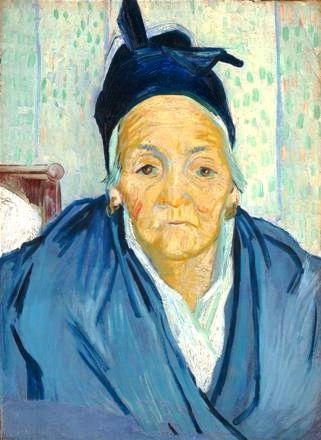
Denise Bundred: Not the Artist’s Mother
The studies I have are an old woman of Arles, landscape with snow,
a stretch of pavement with a butcher’s shop.
Vincent van Gogh: Arles, February 1888
Snow-cast light is pitiless on her face — impassive
as if posing for a photograph. Cold hands work fingers
into a blanket of exhausted blue swathed round her.
It’s a mystery to me how you persuade her to sit
beside her bed — just days after you arrive.
The nightdress trimmed with cotton lace was a present
from her middle boy when he came, three winters past.
Tight at first but she’s losing weight on soft bread
cheese, strong coffee. She can’t chew the meat.
 Les Arlésiennes are famous for their beauty — as far
as Paris. Do you still find traces in sharp cheekbones
tilt of her chin, chocolate eyes muted by cataracts?
She with a threadbare smile can’t foresee your end —
. two summers before hers —
. in a field suffused with hints of fine gold.
Les Arlésiennes are famous for their beauty — as far
as Paris. Do you still find traces in sharp cheekbones
tilt of her chin, chocolate eyes muted by cataracts?
She with a threadbare smile can’t foresee your end —
. two summers before hers —
. in a field suffused with hints of fine gold.
Back to poet list… Forward to next poet
.
.
.
.
.
.
.
.
.
.
.
.
.
.
.
.
.
***
Vicky Kidd: Remnants

I have only remnants of grandma’s Welsh, swear words, mainly.
As a child I walked up a hillside, listening to familiar
voices speaking strange words. The sounds distorted,
like words just out of hearing. I saw tears run down a man’s
face as he recited poetry in his own tongue. His house,
his wife, his street, his battered clock, and books
were in his voice and tears.

Did my grandma too weep and then laugh watching
her English words bumping along a ceiling out through
a window, leaving her to consider an old puzzle of loyalty,
two families and two languages. Free to return to Welsh
— backwards, derided — her first language of family,
chapel, the shop. She went home at last,
to Cymraeg,  in the dementia ward.
Back to poet list… Forward to next poet
.
.
.
.
.
.
.
.
.
.
.
.
.
.
.
.
.
***
Elizabeth Osmond: Neighbours
After The Weighing by Jane Hirschfield

Why is she there? Asked my daughter,
who should be doing her maths homework but is instead
watching through the window, cradling the cat with a bloody nose.
She’s bringing in our bins I say.
She always does it, even though I’ve never asked her to.
I want my daughter to learn about mass, as Jane did.
Our empty bins, measured, counted, pie charted.
Kind acts balance against the rest.
Over the wall my neighbour says
I don’t think our cats have met
so I agree.
Back to poet list… Forward to next poet
.
.
.
.
.
.
.
.
.
.
.
.
.
.
.
.
.
***
Oz Hardwick: A Near-Perfect Childhood
Like my mother before me, I was born with a shadow-twin made of paper. On one side it was coloured in crayon, with blue eyes, rosy cheeks, and a uniform for an important role that had not, way back in 1960, yet been invented – something to do with walking on the Moon or flying a jet pack to rescue cats from impossibly tall trees. On the other side was a story written in script so small that you needed a magnifying glass to read it, and in which every full stop was a microdot which contained another story, and on and on, in the kind of mise en abyme which would keep me from sleep throughout my childhood. As I lay awake, my shadow-twin would sit at the window, telling tales of what he would do when he grew strong in three dimensions. Sometimes I was in the stories and sometimes I wasn’t, but they were always a comfort, and I would eventually fall to dreaming. I remember rowing a small green boat on a lake as blue as a polished eye, my mother and my shadow-twin bright in perfect sunshine, but I’m not sure if it was a dream, a story, or something that really happened, and neither of them are here now to supplement my not-quite-reliable recall.
Back to poet list… Forward to next poet
.
.
.
.
.
.
.
.
.
.
.
.
.
.
.
.
.
***
Charles G Lauder: Siblings Years Later

as Little Brother points out the half-hidden constellations
that have guided we four from our corners of the compass
once more to this buffalograss lawn
and enveloping silence
Mom waits nervously on the porch for us to come inside
Back to poet list… Forward to next poet
.
.
.
.
.
.
.
.
.
.
.
.
.
.
.
.
.
***
David Dumouriez: James and Francesca

Holiday in Devon. I was nine.
Summer entrant to that vivid realm
of palm trees, winds and coves.
Oh, and rain. Rain to bring distinction
to the name. Totnes? Dartmouth?
Not sure now. But me and mum and dad
take refuge in a caff. Next table, there’s
a mother and two kids: boy, same age as me;
girl, slightly younger. The mother’s far from
mine, though, or any that we’ve left behind.
Pure glamour, she could have graced the TV
of the time! The kids, let’s say, are ‘spirited’.
“James!” she snorts. “Francesca!” she intones.
Our six eyebrows shift. Names like those are
twenty years away from where we came. There,
we’re stuck with Traceys, Waynes and Daves.
(The accent, that’s still lost in transit.)
This lot, it’s clear, are not like us. Somebodies
from somewhere, they’re the backbone to
our flesh. Yes, I’ve seen their type in films:
the ones who send us to our deaths with
nothing but the faintest of regrets.

They leave before the rain leaves off. But in
a sense, they’re never gone. We recall them
often through the years: that snooty mother
with the auburn curls; those restless brats
whose names disturbed the peace. Trite, perhaps,
but still you have to wonder; have to ask.
James, did you build a fortune from litigious
claims? Or were you drowned in senseless,
toxic games? Francesca, was the planet
your fiesta? Or did you perish alla puttanesca?
Me, I carry on with skewed perceptions,
sometimes framed by scrappy rhymes.
Until told otherwise, I guess I’m still alive.
Back to poet list… Forward to next poet
.
.
.
.
.
.
.
.
.
.
.
.
.
.
.
.
.
***
Elena Karina Byrne: I was there, in a house,

or rather, he was in ours.
You might think a three-year-old
can’t remember in the same way
an adult can. Which came first:
the stranger’s two legs at the top of
the stairs, or mine, running up
as if to greet him before Mother drops
the grocery bag and pulls me back
outside, refusing to return my feet
to the ground. I had no say in the matter,
the way a caged garden only has a voice
once the light moves in.
The way my father had no choice
but to chase the man and the different forms
of fear for nine blocks, the passing
minutes hitting mother in the face
like cold hose water. Then, I can’t remember
the color of my shoes, or his, can’t recall
the tar-paved road we took before or after,
unraveling to get there, from there to here, all that
free water light flooding out from
our opened door and into the street
where the police stood like a bad opera
imprisoned in mid-song.
They said, he had a knife and a history.
Then, it was dark, long past
an imagined afternoon of washed plums
floating on the cutting board
wood. Each wood stair––a cutting board,
and my feet, singing skyward without me.
I do remember this now, if that counts
for something. Upon hearing the hammered-down
end of the day, Father looked at me.
He announced, It’s bedtime for children.
And I look at the clock like it was another
mistake I’d made.
Back to poet list… Forward to next poet
.
.
.
.
.
.
.
.
.
.
.
.
.
.
.
.
.
***
Suzanna Fitzpatrick:Vulnerability

is this: a homeless man on a train
asking quietly for change
from the largely indifferent, except
for the group of lads, pissed at 8pm,
who say yeah, they’ll bung him a fiver
if he says their football team is the best
– which he does – then up their price
to a song and dance. He moves on
up the carriage and I meet his eye,
silently give him money. He thanks me.

It turns out his stop is also mine
and as we walk through the subway
I say I’m sorry that happened to you.
They were disrespectful – and he replies
I’m used to it then falls back, making space,
aware that I’m a woman and it’s dark.
Back to poet list… Forward to next poet
.
.
.
.
.
.
.
.
.
.
.
.
.
.
.
.
.
***
Mary Mulholland: Bus waiting

A man on the ground
trying to get up.
He has crutches.

Each time he's nearly upright,
he falls again,
a sound like a laugh,
but not a laugh.

This is no show
yet a crowd is watching,
one woman on her phone.

He flails his sticks,
as if trapped inside a broken deckchair.
Falls again.

Perhaps I should help.
Someone says, he's bleeding.
I'm scared of blood,

then see
he has only one leg.

I stand, doing nothing,
like others,
younger, fitter.

I hope that woman is calling an ambulance
not filming
or chatting.

The bus doors are closing.
I run for it
carry that man

in my head.
Back to poet list… Forward to next poet
.
.
.
.
.
.
.
.
.
.
.
.
.
.
.
.
.
***
Claire Booker: This Bus is Under Attack

We’re flat-packed at the bus stop, not a drop
of time spilt. No one hears the high street
crack into parallel roads. The midday sun’s
a wrecking ball, swings its pincers, smashes
high-rise office blocks. I watch a beetle
climb my shoe. It too is navigating questions.
At last, a single decker – beautiful mirage –
floats on traffic, its mass pulled by the mutual
attraction of metal bodies. It processes
past at the speed of a hearse, robotic-voiced:
This bus is under attack. Call the Police.
No one leaves, no one gets on. The driver’s face
gives nothing away. An elderly couple slumped
at the back may be dozing or dead.
Back to poet list… Forward to next poet
.
.
.
.
.
.
.
.
.
.
.
.
.
.
.
.
.
***
Elizabeth Cathie: The Artist

On the bus, going to town,
windows steamy on a rainy day.
I’m drawing pictures in the wet,
fingers squeaking on the glass.
Pesky sister reaches over.
Let me draw too.
I bat her away.

Sister feels a sharp tap on her arm.
Tell him to stop that. He’ll get his gloves wet.
Mum says stop that. You’ll get your gloves wet.
I take no notice, spread my artwork as far
as my fingers can stretch,
hear Mum sigh and sister say,
Are we nearly there yet?
Back to poet list… Forward to next poet
.
.
.
.
.
.
.
.
.
.
.
.
.
.
.
.
.
***
Nancy Mattson: Boy on the 73
Nowhere to sit so he stood with his mum,
facing two women in the priority seat beside
the exit door. The glass barrier between standers
and sitters is waist-high for a woman, eye-high
for a boy. I occupied priority with Jane Goodall’s
beautiful sister. Chatting of journeys and origins,
we chose to ignore the vulgar tongue behind us.
A wild-eyed woman had staggered on board
at King’s Cross, slurring and hollering words
that a boy of four should never hear. We had to.
No earplugs, lint or cotton wool. Nothing to drown
out her pleas for joints or coke, offers for blowjobs.
His eyes wide, his lips closed, the boy gazed at
Jane and me, held a small shell to his right ear,
his face solemn with what could be called wonder.
Jane smiled at him, calm. He offered her the shell.
No, she said, it’s too valuable to give away. He cradled
it close to his ear again. I chose to ask him the obvious:
Can you hear the ocean? No, he said, it’s the wind.
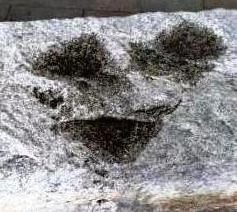
Nancy Mattson: After a lecture on heaven
the stone bench outside St Paul’s Cathedral
had rain in its hollows. The storm subsided;
wind arrived to dry the pockled surfaces, animate
the water trapped in shallow triangles.
A face appeared in the dents: water blinking
in eye sockets, a lipless mouth that mimicked speech
without sound. A stone mirror. I remember
ten years of no tears, a dry tongue
that could not utter enough hard truths
 to crack stone open, let love happen,
let healing flow. I welcome
today’s shallow baptism
written on stone,
spoken in water.
to crack stone open, let love happen,
let healing flow. I welcome
today’s shallow baptism
written on stone,
spoken in water.
Back to poet list… Forward to next poet
.
.
.
.
.
.
.
.
.
.
.
.
.
.
.
.
.
***
Anne Broeksma: Vault
translated from the Dutch by Judith Wilkinson
in memory of the anchorite Alyt Ponciaens Utrecht, 15th century

when churches go to sleep, a leftover bit of town
goes on shimmering through their glassy eyelids
the pupils have departed downwards
where the floor stretches out
like dark ice in a polder night

and I crawl out of the vault, slither along walls
hear the cattle-trucks slide through the streets
like prehistoric insects
with the weekend between their jaws

think of the woman who buried her body here
to offer her spirit to the world
through two windows
it’s getting later, emptier and cold
and I shed my restless mammal
Back to poet list… Forward to next poet
.
.
.
.
.
.
.
.
.
.
.
.
.
.
.
.
.
***
Mervyn Linford: Greenstead Church - Chipping Ongar

Back from the Crusades and buried here
nine hundred years beside this wooden church -
the oldest of its kind in all the world
so says the blurb outside the gates of welcome
at this the start of Lent when sins are shrived
and daffodils assert their yellow selves
     and spring’s own promise.

The blackbird’s mellow notes converse with time -
with just the selfsame notes crusaders heard
when they returned from their religious crimes
in the name of god and righteousness aligned
           with their just causes.

And here am I to moralise a moment
beside the grave of one returning knight
as winter’s stave once frozen comes alive
with the ghostly sounds of all those psalms and singers
as the buds on these goat willows we called palm
begin to ease and spread like the Word delivered -

each note a part of one long composition
of what’s believed when what is said or written
   becomes the score, the ritual reprise
      that we should all lament when
              the truth is hidden.
Back to poet list… Forward to next poet
.
.
.
.
.
.
.
.
.
.
.
.
.
.
.
.
.
***
Oleg Semonov: I Can’t Believe

that deus ex machina will arrive in time
to shield our eyes from the flash of thousand suns
followed by the long and freezing winter.
Oh No! I can’t believe in everlasting frost.

Shall we care about someone’s oily deals
based on vanity or arrogance or the dream
of winning  one more never ending battle?
Oh No! I can’t believe in war-imposed lessons.

Shall we care about who’s right or wrong
while another crusade army promises
to pave a road up to the heavens?
Oh No! I can’t believe the madness of the Cross.

You Prophet’s sons! Please tell me what’s the point
of disappearing into mountain caves.
Is it the essence of your ancient wisdom?
Oh No! I can’t believe the darkness of the Crescent.

I can't believe in everlasting frost.
I can't believe in war-imposed lessons.
I can't believe the madness of the Cross.
I can't believe the darkness of the Crescent.
Back to poet list… Forward to next poet
.
.
.
.
.
.
.
.
.
.
.
.
.
.
.
.
.
***
Dan Janoff: The Passing

The earth will draw a deep breath
after the last cry of humanity,
stretch its limbs and resume
its long trek through the void,
much as a stoic pilgrim
inconvenienced by a spring shower.

The end of days will arrive
more like a slow puncture
than a glorious rapture,
and all the new forms that emerge
from the wreckage shall have
little need for beginnings or ends.

The accident of consciousness
will come to a close,
its conflicting findings will be
written on the land, sea and air
and buried deep
in the bones of homo sapiens.

All the thoughts and words and deeds
of the brief inhabitance
will provide neither comfort nor terror;
all the joy and fury will be
like a distant thunderclap
that ebbs into silence.
Back to poet list… Forward to next poet
.
.
.
.
.
.
.
.
.
.
.
.
.
.
.
.
.
***
John Freeman: Installation At Aberthaw

Not even jeeps, let alone tanks, could have squeezed
through the gaps between these cubes of concrete
above the rocks and shingle of the foreshore.
A footpath takes us between rows of blocks,
some on the inland side of us, with fields
stretching beyond, and set in one of them
is a marble panel as memorial
to the life and death of an eighteen-year-old.
We try to work out which war would have killed him,
Afghanistan, Iraq… we rehearse history
we’ve lived through, vague already, while these lumps
remind us of what never happened here
but seemed as though it might, if Nazi forces
had tried to land on these Glamorgan beaches.

We move on, looking at the sparkling sea
southwards, meadows to the north with skylarks.
The path twists and rises till beside us
broken layers of sandstone bite on air,
with a limestone platform far below them.
When we turn back our view is dominated
by the decommissioned power station,
clean and white like monumental sculpture,
almost as irrelevant and ancient
as these defences from the nineteen-forties.

Only from this direction do we notice
two smaller cubes leaning at different angles.
Somebody with spray paint has transformed them.
There’s a white, sloping face with five black dots
in a familiar pattern. The artist
saw a creative opportunity
in these obstinate, unlovely relics
which make us think of old wars and of new ones.

Perhaps the dice are more than playful, saying,
life’s a lottery. You may not be lucky.
In the afternoon I nap for half an hour
and wake up in the middle of a dream,
clinging on to the grass at a cliff-edge
where ground has suddenly crumbled under me,
desperate to climb up, certain I’ll die.
Back to poet list… Forward to next poet
.
.
.
.
.
.
.
.
.
.
.
.
.
.
.
.
.
***
Brent Cantwell: lines from Craiglockhart
after ‘Regeneration’ by Pat Barker*

no one but me saw Sassoon re-set surrender,

checking the crisp, ironed crease of his uniform,
he lets go of the handle, listening for the mechanism,
for the coward spring, for a too-taut tendon
should-ing into place—
there’s only so much a man can handle—

even though he knows once the line is crossed,
there’s no stopping the machine—
there’s only re-grease, re-cog, give-it-some-gas,
the shell-whistle of get in line and only fools stop,
the forward propulsion of blackened steel,

steel painted the colour of coagulated blood.
He eyes the car leaving Craiglockhart,
for the coward spring, for a too-taut tendon
should-ing into place—
but the driver—now as then—releases the brake,

un-grinding the poorly set bone—those poor boys!
There’s the panic-start of the too-anticipated push,
combustion, patriotism this time, then, inevitably—
because this man’s a bloody coward—the stall-stop.
Only fools stop!

But wait—the gut-belch of black-smoke grit
and driver’s bloody well off
down a track, a road, a bombed-out beach,
gravel, sand or mud, winding on anyway, anywhere, on—
no one to trip the onward blunder of escalation,

no one to break the line of a long-ago revolution—

* On pages 8-9 of ‘Regeneration by Pat Barker, Psychologist Dr W. H. R. Rivers
watches from his office window as Siegfried Sassoon arrives in a taxi at Craiglockhart
in 1917. Sassoon, ‘a man who refused to fight’, a ‘coward’ to most, waits for the taxi
to leave in ‘a private victory over fear.’
Back to poet list…
.
.
.
.
.
.
.
.
.
.
.
.
.
.
.
.
.
***
Andrew Barnes is steadily building a reputation in the UK Midlands poetry scene through performance (eg. BBC upload, Happy Heart, Verve open mic), and through publication (including Orbis #207 & #215, The Cannon’s Mouth, The Recusant, Solihull Sonnets, Pushing out the boat, Dark Poets club, Obsessed with Pipework, Poetry Salzburg, The Fig Tree etc)
Claire Booker is a Brighton poet whose work has been widely published, most recently in Alchemy Spoon, Finished Creatures, Poetry News, The Morning Star and Stand. She has been a winner in 5 Poetry Society Members competitions, was long-listed in the National Poetry Competition, and in 2019 was guest poet at the Dhaka International Poetry Summit. Her latest book is A Pocketful of Chalk (Arachne Press).
Anne Broeksma is a well-known Dutch writer and nature journalist. The poems translated here are from her upcoming collection Osmose (‘Osmosis’), to be published by Atlas Contact. Broeksma also writes essays, e.g. for National Geographic.
Denise Bundred won the Hippocrates Prize for Poetry and Medicine in 2016 and her poetry has appeared in various anthologies and magazines. Her pamphlet, Litany of a Cardiologist, was published by Against the Grain Press in 2020.
Former Regional Director of The Poetry Society of America, Elena Karina Byrne is a freelance editor, professor, screenwriter, programming consultant & poetry stage manager for The Los Angeles Times Festival of Books. A Pushcart Prize recipient, her five poetry collections include If This Makes You Nervous (Omnidawn Publishing). Her writing has appeared in Best American Poetry, POETRY, American Poetry Review, The Paris Review, Verse Daily, Plume, Agenda, The Kenyon Review, Oxford Review of Books, Los Angeles Review of Books, Poetry Daily, Adroit Journal, BOMB, and elsewhere.
Diana Cant’s poems have been published in various anthologies and magazines. She has published two pamphlets, Student Bodies, 1968, (Clayhanger Press) and At Risk – the lives some children live (Vole Books). She was a Forward Prize nominee in 2023, and won the Plaza Poetry Prize, 2023. Her debut collection, I make you bird, was published by Broken Sleep Books in 2024. She is a joint editor of The Alchemy Spoon.
Elizabeth Cathie is a writer of poetry and short stories inspired by everyday encounters, overheard conversations and people-watching. Her work has been published in several magazines and anthologies over recent years
Brent Cantwell is a New Zealand born poet who writes, teaches and lives with his family in the hinterland of Queensland’s gold coast. He has been published in Landfall, Westerly Magazine and Takahe and was recently Highly Commended in the Bruce Dawes Poetry Prize. His first collection of poetry tether was published by Recent Work Press in October 2023.
Bruce Christianson is a mathematician from New Zealand. For the last forty years he has lived in Hertfordshire with his emotional baggage, which inspires poems for him in exchange for avoiding housework.
Fiona Clark is a Suffolk-based poet, whose poems have been published in a variety of literary journals. Her poetry has been commended three times for the Suffolk Poetry Society Crabbe poetry prize, between 2024-2026. She performs her work with Poetry Aloud cafe, at SPS poetry festival, and other venues.
Elisabeth Sennitt Clough is an award-winning poet. She has written five collections and her most recently published collection My Name is Abilene was shortlisted for the Forward Prize for Best Collection 2023. A new collection, Sidewinder, is forthcoming in 2026 and was awarded a Society of Authors grant. Elisabeth is an alumna of the Arvon/Jerwood mentorship scheme and was a Ledbury Emerging Poet. Her debut novel, Shadow Sister, was longlisted for the Jenny Brown Associates Prize 2025 and published by Holand Press in 2026.
Audrey Cotterell lives in Lewes, Sussex, and has been writing poetry for several years. She was long listed for the 2024 Winchester Prize, and has just finished six months with the poet Heidi Williamson as her mentor
Joan Dance has worked in a variety of settings including street markets, universities, event sites and advertising agencies. She splits her time between Devon (mostly) and London (sometimes). Her poems have appeared in Dreich, Pulsebeat Poetry Journal and Wildfire Words.
David Dumouriez is “not at all a bio fan” so offers the information that he was born, has lived a bit, and will probably die.
Suzanna Fitzpatrick (she/her) is a bisexual poet with poems on BBC Radio 4 and widely published in magazines and anthologies in the UK and worldwide. She has been placed in numerous competitions, including receiving the Poetry Society Hamish Canham Prize, the Edward Thomas Prize, and winning the Newcastle University Chancellor’s Prize two years running. Her debut pamphlet, Fledglings, was published by Red Squirrel Press in 2016, and her first collection, Crippled, in 2025. She holds the Poetry School/Newcastle University MA in Writing Poetry with Distinction.
John Freeman’s latest collection is Plato’s Peach from Worple Press. A collaboration with photographer Christopher Humphrey, Visions of Llandaff, was published by The Lonely Crowd press.
Oz Hardwick is a Yorkshire-based prose poet and occasional dabbler in other forms. He has published numerous full collections and chapbooks, most recently Retrofuturism for the Dispossessed (Hedgehog, 2024).
David I. Hughes is a Cornish based writer working across poetry and fiction. His work explores contemporary life, relationships, work, and social systems through narrative and observational forms. His debut novel, The Listener, was launched in 2025. He was a semi finalist in the 2026 Lit Fox Poetry Book Prize with Burden of Attention
Dan Janoff is a member of the Forest Poets stanza in Walthamstow since 2022, Dan writes poetry and short stories. He won the 2023 King Lear Poetry Prize in the beginner category and was Highly Commended in the Indigo First Collection Competition 2024. His work is included in the Black Cat Poetry Press Nature collection, The Water Knows I Love You.
Vicky Kidd has had poems accepted by The High Window and Noon, including one selected for Noon’s Anthology of Short Poems Volume 2.
Prue King writes mainly after ruminating on the outside world. She’s widely published, most recently in Tarot Poetry Journal and takahe magazine. After decades overseas Prue lives in the luxuriant far north of New Zealand where she’s edited an anthology of local writers’ work. Read more at bywordsnet.wordpress.com
Charles G. Lauder, Jr., is an American poet who has lived in the UK for over twenty-five years. He’s the author of the poetry collection The Aesthetics of Breath (V.Press, 2019) and three pamphlets, the latest of which, Year of the Rat, was published by Blueprint Poetry Press in 2025.
Mervyn Linford writes “I am eighty years old and have been writing prose and poetry about nature and spirituality for more the 50 years. I have been published in numerous magazines and periodicals and have had a number of collections published by various small presses. With my not-for-profit small imprint, The Littoral Press, I published about 30 collections for other poets.”
Tim Love’s publications are a poetry pamphlet Moving Parts (HappenStance) and a story collection By all means (Nine Arches Press). He lives in Cambridge, UK. His poetry has appeared in Magma, Rialto, Oxford Poetry, etc. He blogs at http://litrefs.blogspot.com/
Nancy Mattson is a Finnish-Canadian writer who moved from the Canadian prairies to London in 1990. Her fourth full poetry collection is Vision on Platform 2 (Shoestring Press, 2018). Her fifth collection will be published before too long.
Kathleen McPhilemy grew up in Belfast but now lives in Oxford. She has published four collections of poetry, the most recent being Back Country, Littoral Press, 2022.She also hosts a poetry podcast magazine,Poetry Worth Hearing.
Michael Mintrom lives in Melbourne, Australia. Recent poems have appeared in Amsterdam Quarterly, Blue Mountain Review, Cordite Poetry Review, Landfall, Meanjin, Stone Poetry Quarterly, and Westerly.
Mary Mulholland is a widely published poet, most recently Magma 94, Finished Creatures, Poetry News, and her poems are frequently finalists. Her debut collection is forthcoming this year from Nine Arches and she has two pamphlets (Broken Sleep and Live Canon). www.marymulholland.co.uk
Elizabeth Osmond is a neonatal doctor and poet whose debut collection Hatchery is out now with V. Press. Find her on Bluesky @bethosmond.bsky.social and instagram @osmond_beth.
Nasrin Parvaz became a civil rights activist when the Islamic regime took power in 1979. She was arrested in 1982, and spent eight years in prison. Her books are, One Woman’s Struggle in Iran, A Prison Memoir (Award-Winner in the Women’s Issues category of the 2019 International Book Awards), and The Secret Letters from X to A, (Victorina Press 2018)
Stuart Pickford lives in Harrogate, and taught in a local comprehensive school. He has three children. His second collection, Swimming with Jellyfish, was published by Smith/Doorstop. His latest collection, Our Lot, is forthcoming from Smith/Doorstop in September
Oleg Semonov resides in the city of Dnipro (Ukraine). His work has appeared in Electric Acorn, Eclectica, Poetic Diversity, London Grip and elsewhere.
Barry Smith is the director of the South Downs Poetry Festival and editor of Poetry & All That Jazz. Widely published, his collections are Performance Rites (Waterloo Press) and Reeling and Writhing (Vole Books/Dempsey & Windle). He is Patron of the Shelley Memorial Project.
Leo F Smyth’s poems have been published in London Grip and The Ploughed Field Review and commended in a number of competitions.
Sue Spiers works with Winchester Poetry Festival and Winchester Muse. She edits the annual anthology of the Open University Poetry Society. Her three collections have been published on Lulu.com and she has a pamphlet ‘A Wallet of Creature Poems’ with Hedgehog Press.
Paul Stephenson’s debut collection Hard Drive was published by Carcanet in 2023 and was shortlisted for Lambda Literary Award and Polari Book Prize. He has three pamphlets including The Days That Followed Paris. He co-edited the ‘Europe’ (70) and ‘Ownership’ (92) issues of Magma and helps programme Poetry in Aldeburgh
Siobhan Ward won second prize in the Westival Poetry Competition 2024 and the Bangor Literary Journal 40 Words Competition 2025 and poems were shortlisted in the Live Canon Single Poem Competition 2024 and Ver Competitions 2023, 2024 and 2025
Kim Waters lives in Melbourne, Australia. She is currently completing an Advanced Diploma of Visual Arts. Her poems have appeared in Acumen, The Shanghai Literary Review, Under the Radar, The Wells Street Journal, Marble Poetry and La Piccioletta Barca.
John Whitehouse is a retired academic. He suffers from aphasia after a major stroke. His work has been in: Acumen, Frogmore Papers, Stand, French Literary Review, Cannons Mouth, London Grip, Lothlorien Poetry Review.
Judith Wilkinson is an award-winning poet and translator who has translated many Dutch and Flemish poets into English. She is currently translating Anne Broeksma’s poetry, with a view to a Selected Poems
Pam Zinnemann-Hope’s first collection is On Cigarette Papers, shortlisted for the Seamus Heaney Centre Prize, and adapted by her for the Afternoon Play on radio 4. Her second is Foothold. She is also a children’s author.
May 25 2026
London Grip New Poetry #60 – Summer 2026
*
LONDON GRIP NEW POETRY #60 – SUMMER 2026 features poems by:
*Diana Cant *Kim Waters *Prue King *John Whitehouse
*Michael Mintrom *Stuart Pickford *Kathleen McPhilemy *Siobhan Ward
* Elisabeth Sennitt Clough *David I Hughes *Sue Spiers *Tim Love
*Andrew Barnes *Nasrin Parvaz *Paul Stephenson *Bruce Christianson
*Joan Dance *Leo F Smyth *Fiona Clark *Barry Smith
*Audrey Cotterell *Pam Zinnemann-Hope *Denise Bundred *Vicky Kidd
*Elizabeth Osmond *Oz Hardwick *Charles G Lauder *David Dumouriez
*Elena Karina Byrne *Suzanna Fitzpatrick *Mary Mulholland *Claire Booker
*Elizabeth Cathie *Nancy Mattson *Anne Broeksma *Mervyn Linford
*Oleg Semonov *Dan Janoff *John Freeman *Brent Cantwell
Copyright of all poems remains with the contributors
Contributor Biographies and Editor’s Notes are also included.
A printable version of this issue can be found at LG New Poetry Summer 2026
London Grip New Poetry appears early in March, June, September & December
Our SUBMISSION WINDOWS are January, April, June & October
Please send no more than THREE poems & a brief bio to poetry@londongrip.co.uk
Poems should be in a SINGLE Word attachment or included in the message body
Please do not include us in simultaneous submissions
*
A few weeks ago, I watched the Jim Jarmusch film Father Mother Sister Brother which tells three distinct stories, with no overlapping characters, which are subtly linked by a string of small images and passing references. The poems in this posting of LGNP seem to be connected in a similar way. Clocks and buses make rather frequent appearances and so too do landscape paintings and portraits revealing unexpected kinds of likeness. Our cover picture by Peter Sedgwick illustrates one of these unlooked-for similarities by showing how a few touches of paint can transform the concrete blocks on Aberthaw beach into raw material for John Freeman’s poem.
It is unusual for such small recurring details to be the glue that holds our poems together. Often they are linked by much broader themes which emerge spontaneously from the contributions, as if our poets were independently converging on issues of common concern. As always, however, it is ultimately for each reader to discern what the collective voices seem to be saying; but we hope that at the same time they will simply enjoy the poetry!
Looking ahead, readers are asked to note that the next submission window opens in June, i.e. shortly after the launch of this issue. This deprives your editor of a breathing space but it is made necessary by the complexity of his summer travel plans. For this same reason, editorial responses during June and July may not always be as prompt as we would like. Nevertheless, we hope that the autumn edition will appear on time around the beginning of September
Michael Bartholomew-Biggs
London Grip poetry editor
Back to poet list… Forward to first poet
.
.
.
.
.
.
.
.
.
.
.
.
.
.
.
.
.
***
Back to poet list… Forward to next poet
.
.
.
.
.
.
.
.
.
.
.
.
.
.
.
.
.
***
Kim Waters: On Brueghel’s Hunters in the Snow Everything, but nothing,
is still -
not the hunters
who lead
their spiral-tailed hounds
down the hill,
not the skaters tilting
over
an amorphous pond,
not the women
tending a blaze of straw,
not even the bird
arrowed above
the slope-roofed barns
ready to swoop.
What’s captured in paint
makes fools of us all
who suspend
our disbelief
on a crooked inn sign
that threatens,
but will never fall.
Everything, but nothing,
is still -
not the hunters
who lead
their spiral-tailed hounds
down the hill,
not the skaters tilting
over
an amorphous pond,
not the women
tending a blaze of straw,
not even the bird
arrowed above
the slope-roofed barns
ready to swoop.
What’s captured in paint
makes fools of us all
who suspend
our disbelief
on a crooked inn sign
that threatens,
but will never fall.
Back to poet list… Forward to next poet
.
.
.
.
.
.
.
.
.
.
.
.
.
.
.
.
.
***
Prue King: The Picture Self-portrait by Andrew Newell Wyeth (1945 -2009) Broody weather over a broody man’s shoulder,
a warning hawk hovers. The man in the jacket
carries a laptop, striding to a point
beyond the prickly autumnal grass.
My dogs in their beds look to the door
leading to my sister’s kitchen and hoping
for breakfast. On a low table there’s a toilet bag,
a computer lead and a tin with Oxford Dictionary
printed across the side.
In the distance a second hawk searches,
his lethal eyes scanning for prey. What are your eyes
fixed on, man? Not the glowering sky that
enters my bedroom, threatening the day. But
I’ll be up soon into sunshine.
Magpies and tui call me outside. In the painting
a small murmuration of starlings
flecked against sombre skies, silhouetted
tan and amber grasses, his jacket the colour
of bone.
From the door the bedroom is odd, diamond
shaped, a single bed protruding between two
kauri desks. Bare walls except for a vivid blue
cap hooked to white walls. Dog beds.
The hawk attacks, a bullet unseen by the
grassy mouse who’s soaring higher than she’s ever been
or will be again. The other bird veers south. I feel
the mouse’s terror, half wanting to be
released to the safety of the ground and half
wanting to be held.
Broody weather over a broody man’s shoulder,
a warning hawk hovers. The man in the jacket
carries a laptop, striding to a point
beyond the prickly autumnal grass.
My dogs in their beds look to the door
leading to my sister’s kitchen and hoping
for breakfast. On a low table there’s a toilet bag,
a computer lead and a tin with Oxford Dictionary
printed across the side.
In the distance a second hawk searches,
his lethal eyes scanning for prey. What are your eyes
fixed on, man? Not the glowering sky that
enters my bedroom, threatening the day. But
I’ll be up soon into sunshine.
Magpies and tui call me outside. In the painting
a small murmuration of starlings
flecked against sombre skies, silhouetted
tan and amber grasses, his jacket the colour
of bone.
From the door the bedroom is odd, diamond
shaped, a single bed protruding between two
kauri desks. Bare walls except for a vivid blue
cap hooked to white walls. Dog beds.
The hawk attacks, a bullet unseen by the
grassy mouse who’s soaring higher than she’s ever been
or will be again. The other bird veers south. I feel
the mouse’s terror, half wanting to be
released to the safety of the ground and half
wanting to be held.Back to poet list… Forward to next poet
.
.
.
.
.
.
.
.
.
.
.
.
.
.
.
.
.
***
John Whitehouse: Pike He spreads the equipment in the sand. A newspaper, a rod, a 15 lb line, a float, and a barbell hook. The pike are sunning themselves like hired guns in slack waters. Reels click and sing out, spinning against the slant of the lake, the rise and fall of its swell, like the tilted breast of a girl, swimming. He jumps to attention, feels the electricity of the line, twisting like a divining rod, flexing like a whip. The pike surfaces in an eruption of water, blue ripples sprawling out. He is controlling nature, like a man taming wild stallions. Come what may, he will win the fight. The barbell hook goes through the pike’s eye, severing the nerve, one eyeball floating filmily in the keep-net. The pike drags the eye behind him, one eyed, like a pirate, He gently lifts the prehistoric pike, lowers it to the slow running water of the emerald pool, like a doomed galleon.Back to poet list… Forward to next poet
.
.
.
.
.
.
.
.
.
.
.
.
.
.
.
.
.
***
Back to poet list… Forward to next poet
.
.
.
.
.
.
.
.
.
.
.
.
.
.
.
.
.
***
Back to poet list… Forward to next poet
.
.
.
.
.
.
.
.
.
.
.
.
.
.
.
.
.
***
Kathleen McPhilemy: Dead as a doornail Doornails in a glass case clinched survivors of doors and rooms; imagine a woman clutching five valueless nails standing in the ash in the embers of her village; she counts her dead a nail for each of her children a nail for their father she’s the survivor a valueless single-use woman clinched as doornails were clinched clinched as nails for horseshoes were clinched after the sizzle and singe of hot iron. Note: A clinched nail can only be used once; after that it is ‘dead’. Kathleen McPhilemy: The New Riviera She buries her head in the wrong sand too many bones too close to the surface hotel lifts crowded with ghosts shaking the keys to their lost apartments; she tries the glitzy promenade with shops and stuff and still more stuff evening and suddenly the breeze is chill the sea one red in the setting sun; raucous spotlights divide the skies exploding colours of all-night action her path is gated at either end and the guards are masked in smiley emojis; they pose with her in coercive selfies setting the filter to ‘young and happy’.Back to poet list… Forward to next poet
.
.
.
.
.
.
.
.
.
.
.
.
.
.
.
.
.
***
Back to poet list… Forward to next poet
.
.
.
.
.
.
.
.
.
.
.
.
.
.
.
.
.
***
Back to poet list… Forward to next poet
.
.
.
.
.
.
.
.
.
.
.
.
.
.
.
.
.
***
David I Hughes: Mathematics Of The Night – a triptych. The night keeps its own accounts i. The Ledger of Petal & Rust After the ninth client, the orchid unfurls its velvet cipher—a wet and waiting mathematics. She counts in increments of want, each hour a currency the rain erodes. The mirror holds its tongue. A man pays to be forgotten. Another pays to be remembered wrong. The walls breathe a wallpaper of lilies, peeling into confession. Here, the transaction is simple: loneliness exchanges hands like counterfeit bills. She learns the grammar of exit— how to unbecome a room, how to fold herself into the small hours where nothing owns her. Outside, gulls tear the sky open. The sea repeats its one lesson: you owe, you owe. She keeps a jar of buttons by the bed. Each one a name she’ll never need again. ii. Pavement Cantos The curb has its own liturgy. She kneels not to pray but to be seen— a hinge between streetlight & headlight, each car a question she answers with her body. He rolls down glass. Offers a wage. She thinks: what window does he press his face to when the hunger turns from want to wanting to be rid of wanting? She counts his years in the crease of his wallet. Already spent before she touches it. The rain has a long memory. It remembers her mother’s mother on this same corner, the same sodium glare rendering them both in amber—preserved but not protected. A policeman’s torch is a different kind of light. It asks for nothing it doesn’t already intend to take. She learns the street’s arithmetic: men are geography. Some you pass through. Some claim you as territory. Some leave a map of bruises you learn to read by touch. iii. Confiteor The money already a dead thing in his palm. He drove home with the windows down though it was January. Cold as absolution. Cold as the nothing she said when he left. His wife’s hands in the dishwater. She doesn’t turn. He wants her to turn. He wants her to know without him having to say it. He wants her to say it first so, he can be forgiven without asking. The children’s shoes by the door. Small. Ordered. He counts them. One. Two. Three. Four small vessels that have never held this particular shame. He showers. Soap, then soap again. The water circles the drain like a throat clearing. He thinks: I am a man who has done this. Then: I am a man who will do this again. In bed he lies beside her breathing. The ceiling holds nothing. He rehearses a confession in a language she does not speak.Back to poet list… Forward to next poet
.
.
.
.
.
.
.
.
.
.
.
.
.
.
.
.
.
***
Sue Spiers: silence as relationship conditioning You tell me I must be silent when you’re speaking, to let you finish your thought, get out the full meaning of your words. I find it difficult, when your pauses grow, to know if your thought has finished, whether it’s for effect or where you have forgotten the word you want, what you intended to say – lost the train, run out of steam, never had much to say. In this kind of pause, when I ask a question, either to show engagement or to refute what you say as not true for everyone or from a particular perspective, you tell me you haven’t finished, as if some epiphany will fall on me if I only listen to the next five minutes of your monologue. Do you really need me to listen? Have you grown bored by the void of my attention. You have begun to suspect I don’t always listen. Increasingly I don’t say anything, not wishing to waste precious breath. . This poem was generated from prompts with The January Writing HourBack to poet list… Forward to next poet
.
.
.
.
.
.
.
.
.
.
.
.
.
.
.
.
.
***
Back to poet list… Forward to next poet
.
.
.
.
.
.
.
.
.
.
.
.
.
.
.
.
.
***
Back to poet list… Forward to next poet
.
.
.
.
.
.
.
.
.
.
.
.
.
.
.
.
.
***
Back to poet list… Forward to next poet
.
.
.
.
.
.
.
.
.
.
.
.
.
.
.
.
.
***
Back to poet list… Forward to next poet
.
.
.
.
.
.
.
.
.
.
.
.
.
.
.
.
.
***
Back to poet list… Forward to next poet
.
.
.
.
.
.
.
.
.
.
.
.
.
.
.
.
.
***
Back to poet list… Forward to next poet
.
.
.
.
.
.
.
.
.
.
.
.
.
.
.
.
.
***
Back to poet list… Forward to next poet
.
.
.
.
.
.
.
.
.
.
.
.
.
.
.
.
.
***
Back to poet list… Forward to next poet
.
.
.
.
.
.
.
.
.
.
.
.
.
.
.
.
.
***
Back to poet list… Forward to next poet
.
.
.
.
.
.
.
.
.
.
.
.
.
.
.
.
.
***
Back to poet list… Forward to next poet
.
.
.
.
.
.
.
.
.
.
.
.
.
.
.
.
.
***
Back to poet list… Forward to next poet
.
.
.
.
.
.
.
.
.
.
.
.
.
.
.
.
.
***
Denise Bundred: Not the Artist’s Mother The studies I have are an old woman of Arles, landscape with snow, a stretch of pavement with a butcher’s shop. Vincent van Gogh: Arles, February 1888 Snow-cast light is pitiless on her face — impassive as if posing for a photograph. Cold hands work fingers into a blanket of exhausted blue swathed round her. It’s a mystery to me how you persuade her to sit beside her bed — just days after you arrive. The nightdress trimmed with cotton lace was a present from her middle boy when he came, three winters past. Tight at first but she’s losing weight on soft bread cheese, strong coffee. She can’t chew the meat. Les Arlésiennes are famous for their beauty — as far
as Paris. Do you still find traces in sharp cheekbones
tilt of her chin, chocolate eyes muted by cataracts?
She with a threadbare smile can’t foresee your end —
. two summers before hers —
. in a field suffused with hints of fine gold.
Les Arlésiennes are famous for their beauty — as far
as Paris. Do you still find traces in sharp cheekbones
tilt of her chin, chocolate eyes muted by cataracts?
She with a threadbare smile can’t foresee your end —
. two summers before hers —
. in a field suffused with hints of fine gold.
Back to poet list… Forward to next poet
.
.
.
.
.
.
.
.
.
.
.
.
.
.
.
.
.
***
Back to poet list… Forward to next poet
.
.
.
.
.
.
.
.
.
.
.
.
.
.
.
.
.
***
Back to poet list… Forward to next poet
.
.
.
.
.
.
.
.
.
.
.
.
.
.
.
.
.
***
Oz Hardwick: A Near-Perfect Childhood
Like my mother before me, I was born with a shadow-twin made of paper. On one side it was coloured in crayon, with blue eyes, rosy cheeks, and a uniform for an important role that had not, way back in 1960, yet been invented – something to do with walking on the Moon or flying a jet pack to rescue cats from impossibly tall trees. On the other side was a story written in script so small that you needed a magnifying glass to read it, and in which every full stop was a microdot which contained another story, and on and on, in the kind of mise en abyme which would keep me from sleep throughout my childhood. As I lay awake, my shadow-twin would sit at the window, telling tales of what he would do when he grew strong in three dimensions. Sometimes I was in the stories and sometimes I wasn’t, but they were always a comfort, and I would eventually fall to dreaming. I remember rowing a small green boat on a lake as blue as a polished eye, my mother and my shadow-twin bright in perfect sunshine, but I’m not sure if it was a dream, a story, or something that really happened, and neither of them are here now to supplement my not-quite-reliable recall.
Back to poet list… Forward to next poet
.
.
.
.
.
.
.
.
.
.
.
.
.
.
.
.
.
***
Back to poet list… Forward to next poet
.
.
.
.
.
.
.
.
.
.
.
.
.
.
.
.
.
***
Back to poet list… Forward to next poet
.
.
.
.
.
.
.
.
.
.
.
.
.
.
.
.
.
***
Back to poet list… Forward to next poet
.
.
.
.
.
.
.
.
.
.
.
.
.
.
.
.
.
***
Back to poet list… Forward to next poet
.
.
.
.
.
.
.
.
.
.
.
.
.
.
.
.
.
***
Back to poet list… Forward to next poet
.
.
.
.
.
.
.
.
.
.
.
.
.
.
.
.
.
***
Back to poet list… Forward to next poet
.
.
.
.
.
.
.
.
.
.
.
.
.
.
.
.
.
***
Back to poet list… Forward to next poet
.
.
.
.
.
.
.
.
.
.
.
.
.
.
.
.
.
***
Nancy Mattson: Boy on the 73 Nowhere to sit so he stood with his mum, facing two women in the priority seat beside the exit door. The glass barrier between standers and sitters is waist-high for a woman, eye-high for a boy. I occupied priority with Jane Goodall’s beautiful sister. Chatting of journeys and origins, we chose to ignore the vulgar tongue behind us. A wild-eyed woman had staggered on board at King’s Cross, slurring and hollering words that a boy of four should never hear. We had to. No earplugs, lint or cotton wool. Nothing to drown out her pleas for joints or coke, offers for blowjobs. His eyes wide, his lips closed, the boy gazed at Jane and me, held a small shell to his right ear, his face solemn with what could be called wonder. Jane smiled at him, calm. He offered her the shell. No, she said, it’s too valuable to give away. He cradled it close to his ear again. I chose to ask him the obvious: Can you hear the ocean? No, he said, it’s the wind. Nancy Mattson: After a lecture on heaven the stone bench outside St Paul’s Cathedral had rain in its hollows. The storm subsided; wind arrived to dry the pockled surfaces, animate the water trapped in shallow triangles. A face appeared in the dents: water blinking in eye sockets, a lipless mouth that mimicked speech without sound. A stone mirror. I remember ten years of no tears, a dry tongue that could not utter enough hard truths to crack stone open, let love happen,
let healing flow. I welcome
today’s shallow baptism
written on stone,
spoken in water.
to crack stone open, let love happen,
let healing flow. I welcome
today’s shallow baptism
written on stone,
spoken in water.
Back to poet list… Forward to next poet
.
.
.
.
.
.
.
.
.
.
.
.
.
.
.
.
.
***
Back to poet list… Forward to next poet
.
.
.
.
.
.
.
.
.
.
.
.
.
.
.
.
.
***
Mervyn Linford: Greenstead Church - Chipping Ongar Back from the Crusades and buried here nine hundred years beside this wooden church - the oldest of its kind in all the world so says the blurb outside the gates of welcome at this the start of Lent when sins are shrived and daffodils assert their yellow selves and spring’s own promise. The blackbird’s mellow notes converse with time - with just the selfsame notes crusaders heard when they returned from their religious crimes in the name of god and righteousness aligned with their just causes. And here am I to moralise a moment beside the grave of one returning knight as winter’s stave once frozen comes alive with the ghostly sounds of all those psalms and singers as the buds on these goat willows we called palm begin to ease and spread like the Word delivered - each note a part of one long composition of what’s believed when what is said or written becomes the score, the ritual reprise that we should all lament when the truth is hidden.Back to poet list… Forward to next poet
.
.
.
.
.
.
.
.
.
.
.
.
.
.
.
.
.
***
Back to poet list… Forward to next poet
.
.
.
.
.
.
.
.
.
.
.
.
.
.
.
.
.
***
Back to poet list… Forward to next poet
.
.
.
.
.
.
.
.
.
.
.
.
.
.
.
.
.
***
John Freeman: Installation At Aberthaw Not even jeeps, let alone tanks, could have squeezed through the gaps between these cubes of concrete above the rocks and shingle of the foreshore. A footpath takes us between rows of blocks, some on the inland side of us, with fields stretching beyond, and set in one of them is a marble panel as memorial to the life and death of an eighteen-year-old. We try to work out which war would have killed him, Afghanistan, Iraq… we rehearse history we’ve lived through, vague already, while these lumps remind us of what never happened here but seemed as though it might, if Nazi forces had tried to land on these Glamorgan beaches. We move on, looking at the sparkling sea southwards, meadows to the north with skylarks. The path twists and rises till beside us broken layers of sandstone bite on air, with a limestone platform far below them. When we turn back our view is dominated by the decommissioned power station, clean and white like monumental sculpture, almost as irrelevant and ancient as these defences from the nineteen-forties. Only from this direction do we notice two smaller cubes leaning at different angles. Somebody with spray paint has transformed them. There’s a white, sloping face with five black dots in a familiar pattern. The artist saw a creative opportunity in these obstinate, unlovely relics which make us think of old wars and of new ones. Perhaps the dice are more than playful, saying, life’s a lottery. You may not be lucky. In the afternoon I nap for half an hour and wake up in the middle of a dream, clinging on to the grass at a cliff-edge where ground has suddenly crumbled under me, desperate to climb up, certain I’ll die.
Back to poet list… Forward to next poet
.
.
.
.
.
.
.
.
.
.
.
.
.
.
.
.
.
***
Back to poet list…
.
.
.
.
.
.
.
.
.
.
.
.
.
.
.
.
.
***
Andrew Barnes is steadily building a reputation in the UK Midlands poetry scene through performance (eg. BBC upload, Happy Heart, Verve open mic), and through publication (including Orbis #207 & #215, The Cannon’s Mouth, The Recusant, Solihull Sonnets, Pushing out the boat, Dark Poets club, Obsessed with Pipework, Poetry Salzburg, The Fig Tree etc)
Claire Booker is a Brighton poet whose work has been widely published, most recently in Alchemy Spoon, Finished Creatures, Poetry News, The Morning Star and Stand. She has been a winner in 5 Poetry Society Members competitions, was long-listed in the National Poetry Competition, and in 2019 was guest poet at the Dhaka International Poetry Summit. Her latest book is A Pocketful of Chalk (Arachne Press).
Anne Broeksma is a well-known Dutch writer and nature journalist. The poems translated here are from her upcoming collection Osmose (‘Osmosis’), to be published by Atlas Contact. Broeksma also writes essays, e.g. for National Geographic.
Denise Bundred won the Hippocrates Prize for Poetry and Medicine in 2016 and her poetry has appeared in various anthologies and magazines. Her pamphlet, Litany of a Cardiologist, was published by Against the Grain Press in 2020.
Former Regional Director of The Poetry Society of America, Elena Karina Byrne is a freelance editor, professor, screenwriter, programming consultant & poetry stage manager for The Los Angeles Times Festival of Books. A Pushcart Prize recipient, her five poetry collections include If This Makes You Nervous (Omnidawn Publishing). Her writing has appeared in Best American Poetry, POETRY, American Poetry Review, The Paris Review, Verse Daily, Plume, Agenda, The Kenyon Review, Oxford Review of Books, Los Angeles Review of Books, Poetry Daily, Adroit Journal, BOMB, and elsewhere.
Diana Cant’s poems have been published in various anthologies and magazines. She has published two pamphlets, Student Bodies, 1968, (Clayhanger Press) and At Risk – the lives some children live (Vole Books). She was a Forward Prize nominee in 2023, and won the Plaza Poetry Prize, 2023. Her debut collection, I make you bird, was published by Broken Sleep Books in 2024. She is a joint editor of The Alchemy Spoon.
Elizabeth Cathie is a writer of poetry and short stories inspired by everyday encounters, overheard conversations and people-watching. Her work has been published in several magazines and anthologies over recent years
Brent Cantwell is a New Zealand born poet who writes, teaches and lives with his family in the hinterland of Queensland’s gold coast. He has been published in Landfall, Westerly Magazine and Takahe and was recently Highly Commended in the Bruce Dawes Poetry Prize. His first collection of poetry tether was published by Recent Work Press in October 2023.
Bruce Christianson is a mathematician from New Zealand. For the last forty years he has lived in Hertfordshire with his emotional baggage, which inspires poems for him in exchange for avoiding housework.
Fiona Clark is a Suffolk-based poet, whose poems have been published in a variety of literary journals. Her poetry has been commended three times for the Suffolk Poetry Society Crabbe poetry prize, between 2024-2026. She performs her work with Poetry Aloud cafe, at SPS poetry festival, and other venues.
Elisabeth Sennitt Clough is an award-winning poet. She has written five collections and her most recently published collection My Name is Abilene was shortlisted for the Forward Prize for Best Collection 2023. A new collection, Sidewinder, is forthcoming in 2026 and was awarded a Society of Authors grant. Elisabeth is an alumna of the Arvon/Jerwood mentorship scheme and was a Ledbury Emerging Poet. Her debut novel, Shadow Sister, was longlisted for the Jenny Brown Associates Prize 2025 and published by Holand Press in 2026.
Audrey Cotterell lives in Lewes, Sussex, and has been writing poetry for several years. She was long listed for the 2024 Winchester Prize, and has just finished six months with the poet Heidi Williamson as her mentor
Joan Dance has worked in a variety of settings including street markets, universities, event sites and advertising agencies. She splits her time between Devon (mostly) and London (sometimes). Her poems have appeared in Dreich, Pulsebeat Poetry Journal and Wildfire Words.
David Dumouriez is “not at all a bio fan” so offers the information that he was born, has lived a bit, and will probably die.
Suzanna Fitzpatrick (she/her) is a bisexual poet with poems on BBC Radio 4 and widely published in magazines and anthologies in the UK and worldwide. She has been placed in numerous competitions, including receiving the Poetry Society Hamish Canham Prize, the Edward Thomas Prize, and winning the Newcastle University Chancellor’s Prize two years running. Her debut pamphlet, Fledglings, was published by Red Squirrel Press in 2016, and her first collection, Crippled, in 2025. She holds the Poetry School/Newcastle University MA in Writing Poetry with Distinction.
John Freeman’s latest collection is Plato’s Peach from Worple Press. A collaboration with photographer Christopher Humphrey, Visions of Llandaff, was published by The Lonely Crowd press.
Oz Hardwick is a Yorkshire-based prose poet and occasional dabbler in other forms. He has published numerous full collections and chapbooks, most recently Retrofuturism for the Dispossessed (Hedgehog, 2024).
David I. Hughes is a Cornish based writer working across poetry and fiction. His work explores contemporary life, relationships, work, and social systems through narrative and observational forms. His debut novel, The Listener, was launched in 2025. He was a semi finalist in the 2026 Lit Fox Poetry Book Prize with Burden of Attention
Dan Janoff is a member of the Forest Poets stanza in Walthamstow since 2022, Dan writes poetry and short stories. He won the 2023 King Lear Poetry Prize in the beginner category and was Highly Commended in the Indigo First Collection Competition 2024. His work is included in the Black Cat Poetry Press Nature collection, The Water Knows I Love You.
Vicky Kidd has had poems accepted by The High Window and Noon, including one selected for Noon’s Anthology of Short Poems Volume 2.
Prue King writes mainly after ruminating on the outside world. She’s widely published, most recently in Tarot Poetry Journal and takahe magazine. After decades overseas Prue lives in the luxuriant far north of New Zealand where she’s edited an anthology of local writers’ work. Read more at bywordsnet.wordpress.com
Charles G. Lauder, Jr., is an American poet who has lived in the UK for over twenty-five years. He’s the author of the poetry collection The Aesthetics of Breath (V.Press, 2019) and three pamphlets, the latest of which, Year of the Rat, was published by Blueprint Poetry Press in 2025.
Mervyn Linford writes “I am eighty years old and have been writing prose and poetry about nature and spirituality for more the 50 years. I have been published in numerous magazines and periodicals and have had a number of collections published by various small presses. With my not-for-profit small imprint, The Littoral Press, I published about 30 collections for other poets.”
Tim Love’s publications are a poetry pamphlet Moving Parts (HappenStance) and a story collection By all means (Nine Arches Press). He lives in Cambridge, UK. His poetry has appeared in Magma, Rialto, Oxford Poetry, etc. He blogs at http://litrefs.blogspot.com/
Nancy Mattson is a Finnish-Canadian writer who moved from the Canadian prairies to London in 1990. Her fourth full poetry collection is Vision on Platform 2 (Shoestring Press, 2018). Her fifth collection will be published before too long.
Kathleen McPhilemy grew up in Belfast but now lives in Oxford. She has published four collections of poetry, the most recent being Back Country, Littoral Press, 2022.She also hosts a poetry podcast magazine,Poetry Worth Hearing.
Michael Mintrom lives in Melbourne, Australia. Recent poems have appeared in Amsterdam Quarterly, Blue Mountain Review, Cordite Poetry Review, Landfall, Meanjin, Stone Poetry Quarterly, and Westerly.
Mary Mulholland is a widely published poet, most recently Magma 94, Finished Creatures, Poetry News, and her poems are frequently finalists. Her debut collection is forthcoming this year from Nine Arches and she has two pamphlets (Broken Sleep and Live Canon). www.marymulholland.co.uk
Elizabeth Osmond is a neonatal doctor and poet whose debut collection Hatchery is out now with V. Press. Find her on Bluesky @bethosmond.bsky.social and instagram @osmond_beth.
Nasrin Parvaz became a civil rights activist when the Islamic regime took power in 1979. She was arrested in 1982, and spent eight years in prison. Her books are, One Woman’s Struggle in Iran, A Prison Memoir (Award-Winner in the Women’s Issues category of the 2019 International Book Awards), and The Secret Letters from X to A, (Victorina Press 2018)
Stuart Pickford lives in Harrogate, and taught in a local comprehensive school. He has three children. His second collection, Swimming with Jellyfish, was published by Smith/Doorstop. His latest collection, Our Lot, is forthcoming from Smith/Doorstop in September
Oleg Semonov resides in the city of Dnipro (Ukraine). His work has appeared in Electric Acorn, Eclectica, Poetic Diversity, London Grip and elsewhere.
Barry Smith is the director of the South Downs Poetry Festival and editor of Poetry & All That Jazz. Widely published, his collections are Performance Rites (Waterloo Press) and Reeling and Writhing (Vole Books/Dempsey & Windle). He is Patron of the Shelley Memorial Project.
Leo F Smyth’s poems have been published in London Grip and The Ploughed Field Review and commended in a number of competitions.
Sue Spiers works with Winchester Poetry Festival and Winchester Muse. She edits the annual anthology of the Open University Poetry Society. Her three collections have been published on Lulu.com and she has a pamphlet ‘A Wallet of Creature Poems’ with Hedgehog Press.
Paul Stephenson’s debut collection Hard Drive was published by Carcanet in 2023 and was shortlisted for Lambda Literary Award and Polari Book Prize. He has three pamphlets including The Days That Followed Paris. He co-edited the ‘Europe’ (70) and ‘Ownership’ (92) issues of Magma and helps programme Poetry in Aldeburgh
Siobhan Ward won second prize in the Westival Poetry Competition 2024 and the Bangor Literary Journal 40 Words Competition 2025 and poems were shortlisted in the Live Canon Single Poem Competition 2024 and Ver Competitions 2023, 2024 and 2025
Kim Waters lives in Melbourne, Australia. She is currently completing an Advanced Diploma of Visual Arts. Her poems have appeared in Acumen, The Shanghai Literary Review, Under the Radar, The Wells Street Journal, Marble Poetry and La Piccioletta Barca.
John Whitehouse is a retired academic. He suffers from aphasia after a major stroke. His work has been in: Acumen, Frogmore Papers, Stand, French Literary Review, Cannons Mouth, London Grip, Lothlorien Poetry Review.
Judith Wilkinson is an award-winning poet and translator who has translated many Dutch and Flemish poets into English. She is currently translating Anne Broeksma’s poetry, with a view to a Selected Poems
Pam Zinnemann-Hope’s first collection is On Cigarette Papers, shortlisted for the Seamus Heaney Centre Prize, and adapted by her for the Afternoon Play on radio 4. Her second is Foothold. She is also a children’s author.