Feb 27 2026
London Grip New Poetry #59 – Spring 2026
LONDON GRIP NEW POETRY#59 – SPRING 2026 features poems by:
*Stephen Chappell *Simon Ravenscroft *Hannah Linden *Bruce Christianson
*Stuart Henson *Caroline Hannah *Noel King *Oliver Comins
*Jill Husser *Rebecca Gethin *Emma Lee *Rachael Clyne
*Alice Huntley *Kenneth Pobo *Julia Vaughan *J R Solonche
*Rosemary Norman *Tess Jolly *Lawrence Bradby *Jackson
*Sheenagh Pugh *Nick Cooke *Tony Beyer *Leona Gom
*Jennifer Johnson *Robert Etty *John Grey *Norbert Hirschhorn
*Philip Gross *Stuart Handysides *Anne Stewart *Dave Wakely
*Sue Wallace-Shaddad *Danielle Hope *Peter Daniels *Josh Ekroy
*Jennifer Phillips *Pamela Job *David W Parsley *Georgia Agnew
Contributor Biographies and Editor’s Notes are also included.
Copyright of all poems remains with the contributors
A printable version of this issue can be found at LG new poetry Spring 2026
London Grip New Poetry appears early in March, June, September & December
SUBMISSION GUIDELINES:
Send up to THREE poems & a brief bio to poetry@londongrip.co.uk
Poems should be in a SINGLE Word attachment or included in the message body
Our submission windows are January, April, June & October
Please do not include us in simultaneous submissions
*
 Editor’s notes
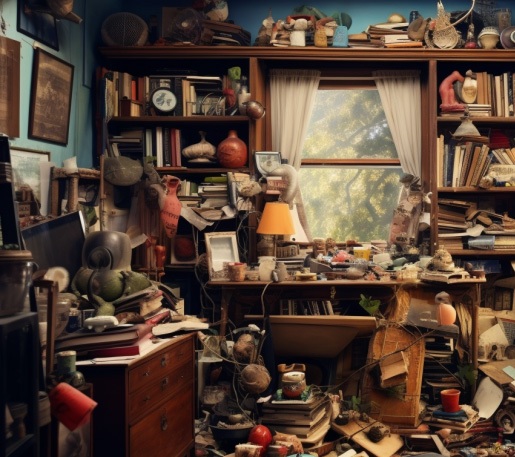
Many of the poems in this issue play with domestic themes – and the domesticity is often of a rather down-at-heel kind. Bruce Christianson shows us a house and garden in need of care and maintenance. Hannah Linden is one of several poets portraying a household object which no longer quite fulfils its purpose. Such items may be retained because they still inspire affection – outgrown playthings for instance; but sometimes they hang around as one of those unwanted gifts that are hard to get rid of for reasons of social etiquette or family loyalty. In either case they inevitably contribute to a state of household clutter eloquently described by Anne Stewart.
And of course in any home, among the multiplicity of furnishings and ornaments, there are people performing routine tasks like washing the dishes and reflecting on relationships within the household. And if these are not working as well as they once hoped, alternative external connections are available on social media via cellphone and laptop. Some of our poets turn their attention to the past and revisit the homes and families in which they grew up; and there they find themselves re-examining details that were once taken for granted. Jennifer Johnson, for instance, hits a particular nerve with her mention of Sing Something Simple, a long-running Sunday afternoon radio programme whose very decorousness served as a reliably depressing reminder in my own teenage years that the weekend was nearly over.
It is only towards the end of the issue that the poems move a considerable distance away from the mundane and we unexpectedly find ourselves drawn towards other-worldly considerations and some oblique approaches to the Easter story.
*
And now some final words about our website troubles at the end of 2025. Quite a few of the lost poetry reviews from 2024 and 2025 have now been restored; but of course they cannot be found using the original links. However the London Grip site has a search function and a particular review can still be located via the book title, author name or reviewer name. If you can’t find the review you want then please let me know; there is still a chance it can be found in the wreckage left over from last December’s mishap.
Michael Bartholomew-Biggs
London Grip poetry editor
Back to poet list… Forward to first poet
.
.
.
.
.
.
.
.
.
.
.
.
.
.
.
.
.
Stephen Chappell: Incident on the A30 Interchange
(after Robert Graves’s “Welsh Incident”)

But that was nothing compared to the things
that emerged from the interchange yonder.

What were they?
Extinction Rebellion? Loose ferrets?

Nothing at all of that kind.
All sorts of weird wonders emerged—
unbudgeted, unpiloted,
unapproved by Procurement.

What shape were they?

All shapes and no shapes —
abstract, plural, intersectional.
Solid enough to touch,
though Public Liability forbade it.

What were their colours?

Corporate-Empathy Grey,
Hope-Resistant Taupe,
Purple-Faced Reform.

Did they have legs?

Better than legs —
mission statements in motion.

And what was the weather?

I was coming to that.

It was Tuesday, half-past three,
we’d just voted Best Celebrity on Strictly.
The sun performed a soft reboot.
The Basingstoke Silver Band
played It’s Raining Men outside Nando’s,
collecting for National Incontinence Week.

Fleet, Aldershot, and the best bits of Woking
were gathered beneath the Screwfix gazebo.

Whatever happened next?

The Mayor of Basingstoke, in best hi-vis, spoke—
first in English,
then in fluent PowerPoint,

welcoming the creatures to
the Greater Hampshire
Lottery-Funded Enterprise Zone.

They came from the underpass —
not keeping time with the band,
but with the solemnity
of a committee minute approved
without consulting standing orders.

Some leaked, and were pelted
by Faragistes, with beer mats.

Then — the strangest thing —
one of them made a noise.

A frightening noise?

No.

A musical noise? A snuffling perhaps?

No.

A very loud, respectable noise —
like sighing through the nose in Waitrose
half way down the Truffle aisle.

What did the Mayor do?

I was coming to that.

He thanked everyone for their lived experience,
declared the moment transformative,
announced that normal parking charges
were permanently suspended.

Greggs’s signage flickered,
the air smelt of micro chips,
and the creatures — without further consultation — disappeared.

Not zombies, then?

I was coming to that.
Back to poet list… Forward to next poet
.
.
.
.
.
.
.
.
.
.
.
.
.
.
.
.
.
Simon Ravenscroft: Pastiche upon a trip to Scotland

By yon bonnie banks in purple hue we lay,
me as usual needing to suppress my inner
Jacobite tendency          By yon banks
in beautiful hue, the wildflowers shining
the sun dwindling shyly at the horizon line
Here at the Degnish peninsula, comprising
a strange kind of shimm’ring, almost
sparkling slate          Aye, by yon bonnie crags
lay we, the big moon rising in the gloaming
the waters sleeping, covered in midge spray
my true love and me
                                    Will we ever meet again
my love beside such bonnie crags, shimm’ring
by yon bonnie banks, yon single-track roads
and the gulf stream felt in the palm trees
of the botanical gardens just across yon
bonnie bay?           Meet again with
this dulled heart, not grieving but barren,
yon broken heart, in pieces and barren
.
Back to poet list… Forward to next poet
.
.
.
.
.
.
.
.
.
.
.
.
.
.
.
.
.
Hannah Linden: Ode to My Venetian Blind

As I try to look at the sky, you are the first thing I see
each morning. You, with impertinent gaps and reflections,
pinch the sun round the edges each day and every day.

Is this not why I chose you? I wrestle every time I want to
push you out of the way, your wonky slipping-down again,
if I don’t manage to slot the raise-strings exactly into their catch.

How you mirror me and veil me from the outside, tip
an imperious sunbeam out of my eyes, shade me from the curious
looking-in of delivery people. My daughter wants me to

replace you with curtains so I’m not tempted, so often, to sit
in the half-shuttered gloom. She doesn’t understand the uncomfortable
full glare of days in this room. Or the beauty of looking through

the striped dissection of a window, what we can learn, with age,
of the ritual of moving shade around walls. This half-light relationship
with place, the poetry of engineering acceptable ways to hide.

But it is at night, with the slight twitch of an anxious, lonely hand
—the peep, half-blinking, at the stars, eyes guided through the gaps
of the fractured view, when I appreciate you most—

the silent tilt of my horizons.
Back to poet list… Forward to next poet
.
.
.
.
.
.
.
.
.
.
.
.
.
.
.
.
.
Bruce Christianson: A Poetry Assignment

Take your notebook into the garden.
Free your mind from distractions.
Engage your senses. Be aware.
Make notes.

i place my deckchair on the (uncut) grass
next to the fence (which needs mending)
& face it away from the wall of the house
(repainting)

i feel the air against my face
bringing the scent of roses (unpruned)
& also aviation spirit
(although perhaps that’s next-door’s barbecue)

i hear the distant sound of someone
trimming their hedge (which i am not)
biplanes dogfighting overhead
(at least that’s what it sounds like)

& next-door’s cat bouncing off the trampoline
on her way from the (leaky) roof of my garage
to climb the (un-coppiced) apple tree
at the far end of the (weed-ridden) flower bed

except instead she leaps into my lap
& licks my hand with her raspy pink tongue
as a small piece of burning zeppelin tumbles
gently & obliquely into the lilacs
Back to poet list… Forward to next poet
.
.
.
.
.
.
.
.
.
.
.
.
.
.
.
.
.
Stuart Henson: Starlings

on the apple-fall by the railway-line
dressed like commuters crowding under heavy skies.
The north wind rattles leaves’ departure signs.
Light snow.  Expected.  But no trains.
And January?  On time.
Back to poet list… Forward to next poet
.
.
.
.
.
.
.
.
.
.
.
.
.
.
.
.
.
Caroline Hannah: Chair theory explained

A chair is not just a chair.
It’s not just about chairs,
it’s about whether he notices
that you need some care,
about whether he notices
you’re about to drop
everything, that you’re carrying
too much, whether he stops
what he’s doing to look over,
see your load is too great,
pull out a chair for you,
help you sit and recover.
A chair can be a word, a glance.
He’s got you: that’s romance.


Caroline Hannah: Thursday Afternoon

There’s a general all-purpose wailing coming from downstairs.
Computerised serfs report the stockpile being full.
Someone scrapes a spade against a wet patio outside.
The sheets are dirty but I'm too tired to care.
Twee medieval music numbs my husband's weary brain
while children destroy quietly.
Back to poet list… Forward to next poet
.
.
.
.
.
.
.
.
.
.
.
.
.
.
.
.
.
Noel King: Caravan

You told me to keep an eye out for Keating’s Bread Van,
to tell you immediately when it was coming down the road
and you’d give me the money to go and get a fresh loaf.

I kicked my ball around the place and played marbles
with the boys from the other caravans and sure forgot
all about the important arrival.

The fresh bread was all sold out by the time
we went down to get some.
Your father will be mad, my mother said, he’ll have to drive

into Castlegregory now to get a loaf,
and he after a hard days’s work.
No matter, says I, sure he can go in for a pint

while he’s at it. I got a clip around the ear for that.
Next morning the bread was stale anyway
and we made toast from it.
Back to poet list… Forward to next poet
.
.
.
.
.
.
.
.
.
.
.
.
.
.
.
.
.
Oliver Comins: Out of season

We grew up with seasonal fruit and vegetables,
a lot of it produced a few hours away
from the greengrocer’s shop in Warwick Road.
One of us left the family order on Thursdays—

a handwritten list in a Silvine pocket notebook.
Mid-winter now. The global supply chain
has sourced three punnets of flawless strawberries.
I stand beside the sink, hulling and cleaning them.

A layer of frozen snow is waiting in the yard.
I plan to take a portion of this fruit next door
to surprise my neighbour and her carer.
An unexpected treat. An opportune moment.

But is this such a good idea? How shall I explain
a bowl of winter strawberries?
Back to poet list… Forward to next poet
.
.
.
.
.
.
.
.
.
.
.
.
.
.
.
.
.
Jill Husser: In protest

Deer on an autumn night nibble on golden pears,
a mere graze, a soft wound, and they move on
to another, and another.  There’s no lack of pears.

Winter comes and finches, tits, wagtails scatter
a spray of seeds, fling them from the bird table
in search of one stripey sunflower, and another.

The cheek of it!  While we’re sorting our potato
peelings from milk bottle tops and Christmas string,
saving our scraps, multiplying our bins.

Outside, in the frozen field, cattle soil sweet hay.
I’d drop my Polo Mint paper in protest –
the shininess of it might appeal to a magpie passing.


Jill Husser: The day the Virgin Mary gets into our car

The road is rough, and cloud
covers a hillside so sheer that
words buried deep
tighten like a cord to save me
                 Hail Mary full of grace
till we are down, clear of it.

A man steps from a house
asking for a lift, fetches
a tall black Virgin in a satin robe
white with a golden trim
safe in the grip of his farm arms.

She sits stiffly in the back
prayers swarming like bees –
broken marriages, sick children
lost loves, bad bosses, money problems –
all held in her plaster gaze
her strong stillness.

On we all go, the man
the Virgin Mary, my daughter and me
down through the leafy valley
to the church of San Pablo, Chicoana
on the feast of the Immaculate Conception.

The convent gate closes behind them
and next to me, my daughter
is getting on with her day
tapping on her phone.
But the sweet swarming
that lingers in our rented car
keeps me wondering.
Back to poet list… Forward to next poet
.
.
.
.
.
.
.
.
.
.
.
.
.
.
.
.
.
Rebecca Gethin: Ward

After we said goodbye
the white moon guided me home.
Its face like a clock

lit the road ahead
and the fields all around.
Switching windows now and then

it felt like a god I wasn’t sure
I could trust. I knew I’d left you
somewhere safe at least for now.

But what sacrifice would be snatched?
Back to poet list… Forward to next poet
.
.
.
.
.
.
.
.
.
.
.
.
.
.
.
.
.
Emma Lee: Three Dots

No one had died. I wasn't looking
for a ticket for an event that would
be sold out as soon as it went live.

Three dots wave.

I wasn't trying to book an appointment,
didn't need a confirmation so I could
juggle my commitments to accommodate.

Three dots continue to dance.

I wasn't expecting an essay,
a long explanation or more
than a 'yes'. An emoji would do.

Three dots slither.

It probably didn't need a response
at all. Just knowing you'd seen it
would have been enough.

Three dots turn ghost.
Back to poet list… Forward to next poet
.
.
.
.
.
.
.
.
.
.
.
.
.
.
.
.
.
Rachael Clyne: The Mask

She never posts anything, then –
a sudden declaration of despair,
of cancer in a different place.
I’d no knowledge of the first place.

I DM her only to hear dismay,
it was meant for a private group
not big FB. All I can do is offer
support to someone I knew long ago.

Those teen years when I used to stay
at hers and we’d go bowling
or to a film; her extreme mum
pacing the street, if we were a minute late.

I suggest she deletes her post,
puts frantic words back in the box.
She doesn’t know how. I explain three dots
and move to bin. After several goes, it’s gone.

She posts an apology for scaring friends
Puts her cancer-warrior mask
firmly back in place, assures them
that she’s strong.
Back to poet list… Forward to next poet
.
.
.
.
.
.
.
.
.
.
.
.
.
.
.
.
.
Alice Huntley: Spoonface

recently I’ve been wondering which is more true:
the face I arrange in the mirror each day
its flat surface shiny and ready to re-present

or the face you’d find in the back of your spoon
delighted by how sad its curves made you seem
your sloping eyes and downturned mouth

the spoonfaced emoji we'd text in response
to a thing that was sad-not-sad
that tragic mask, the rictus pain

I know to be no mask at all
but one true face behind all faces
that day after day, calls me to love

the face in my phone screen
your trembling lip
the free run of your tears

you used to say, I prefer your smiley face
so that's what I'll steadily show you -
present my face blind and warm

to the phone in the palm of your hand
like an idea you can one day mirror
in this new place you’ll make home
Back to poet list… Forward to next poet
.
.
.
.
.
.
.
.
.
.
.
.
.
.
.
.
.
Kenneth Pobo: While Doing Dishes

a plate slips out of my hand
and breaks.  Glass shards
mix with silverware and two
martini glasses.  I feel a funeral,
not in my brain, but in my hands.
I may be getting clumsier.
The hand that dropped
the plate reminds me of
my mother’s hand
when she grew old, skin
becoming more like paper.
I think I might cry but instead
roll out some obscenities
and gingerly pull broken pieces
out of lukewarm water.

I’m a plate in Time’s hand.
Time loses its grip on me.
The water, which used to clean
and soothe, looks treacherous,
like it could easily detonate.
Back to poet list… Forward to next poet
.
.
.
.
.
.
.
.
.
.
.
.
.
.
.
.
.
Julia Vaughan: Filling the Dishwasher

Stacking the dishwasher
Plate after plate
Mug after cup
Life's like that
Work, eat, sleep, if you’re lucky

That glass doesn't fit there
Games of Tetris, over and over

Chores, social conventions
Requirements and duties
Friends drop in unexpectedly
Teacups and cake plates

Milk jug just fits on the top row

A new project at work
New colleagues to learn about
To have to work with

Teaspoons all together in the basket

Living and loving
A marriage full of
Idiosyncrasies and quirks
Differences complementing and
Competing at odds with each other

Will the scrambled eggs pot fit in too?
Knives pointing down (to save slicing fingers)
Games of Tetris, over and over
Juggling and rearranging the mugs and plates
Moving some cutlery so the shelf sits flat

Life's ups     delightful surprises
And downs     the sudden shocks
Much like stacking a dishwasher
Rearranging and rearranging and juggling
Chores, games of Tetris, over and over
Back to poet list… Forward to next poet
.
.
.
.
.
.
.
.
.
.
.
.
.
.
.
.
.
J R Solonche: Morning

Washing the dishes is useful.
It is not a path to nirvana.
It is not a spiritual cleansing of the soul.
It is water. It is soap. It is a soggy sponge.
You hold the fork. You scrub the fork.
You rinse the fork. You put the fork in the drying rack.
You hold the spoon. You scrub the spoon.
You put the spoon in the drying rack.
You hold the dish. You scrub the dish.
You put the dish in the drying rack.
You hold the glass. You scrub the glass.
You put the glass in the drying rack.
You turn the water off. The phone rings.
You ignore the phone. It is finished.
The sink is empty. You dry your hands.
The counter is clean. You look out the window.
You see a woodpecker at the feeder.
Looking out the window, not answering the phone,
washing the dishes, the Three-Fold Path to Wisdom.
Back to poet list… Forward to next poet
.
.
.
.
.
.
.
.
.
.
.
.
.
.
.
.
.
Rosemary Norman : Suds

Today’s his open heart

and mid-morning
there’s a hairdresser

who’ll fit her in.
She’s keen to let them

do this, to be a head
with nothing in it

but the hot white noise
skipping from chair

to chair. She consents
to be made better

and her arms go out
for a gown tied

at the back like his.
O to be dry now, to be

self-evident in the glass.
Enough of endless!

At her first step
off towards afternoon

there’s less of it.
They’ve swept away

her ghost inch already.
Back to poet list… Forward to next poet
.
.
.
.
.
.
.
.
.
.
.
.
.
.
.
.
.
Tess Jolly: Wolf Cut

It’s dark outside, but the salon is lit
by the bright, warm bulbs

held in the mirror that frames
my daughter in shadow and gold,

childhood’s curls and split ends
falling in tufts to the floor

as she slips from the sweet bob
I’ve always asked for

and into the style she has chosen.
She smiles at her new reflection,

flicks the wild, shaggy fringe
and choppy, wavy layers,

then pads – for now –
through the forest back to me.


Tess Jolly: Coasteering

The sea has carried us
into this cave

where we flounder,
needing not bravery

but stamina
in water so strong

it will slip a wedding ring
from a finger unnoticed

and cast it into the gloom,
where we cling

to whatever passes
for a handhold

and wait, hope the tide
will see us back through.
Back to poet list… Forward to next poet
.
.
.
.
.
.
.
.
.
.
.
.
.
.
.
.
.
Lawrence Bradby: Pickup

Breakfast is staggered and nervy.
We check each other’s signs
of health and willingness to repeat the usual:

peer assessment. Faker!
You’re not really, she’s not really
ill; she’s had two days at home already.

Where do we find true knowledge?
School’s not optional and neither
is it useful. Seriously, the teachers

talk the whole lesson and no one else
says a thing. How can programmed boredom
take us anywhere but down? Time tips

from slow early to nearly late.
We leave at a shuffling run
moaning anguish and tying shoelaces.

The kitchen table as the door bangs shut:
bowls skimmed with milk
crumb scatter-patterns, rounded spills of water

— a precise record
of where we got to
and where we must pick up.
Back to poet list… Forward to next poet
.
.
.
.
.
.
.
.
.
.
.
.
.
.
.
.
.
Jackson: Flickers

Five days away from my
dead mother’s (his
dead wife’s)
dead ninetieth

the lightbulb
flickers, steadies,
flickers. It’s waiting
for Mr Arvidson, he says.

Who? I ask.
(He can’t remember the first names
of the staff, let alone
their Misters and Mizzes.)

Mr Arvidson, he says. In the graveyard.

Who’s he? I ask. A gravedigger?

Yes.

For lightbulbs?

Yes.

I look at him;
I look up at
the wavering bulb;
I look out, at the sky.

I don’t know what
you’re talking about,
I lie.
Back to poet list… Forward to next poet
.
.
.
.
.
.
.
.
.
.
.
.
.
.
.
.
.
Sheenagh Pugh: Elegy

The old man died last week. The lupins
by his wall had already gone over,
but the golden lilies have just opened
and the asters will soon be in flower.

We won’t be seeing his team of carers
any more; the window will stay shut
where he would lean and hold the dog-walkers
in talk. His cottage will go on the market,

I suppose. He was the oldest man
in the village; he knew its whole story.
I never asked him enough questions
and he never wrote his memories.

He had a longing to visit Iceland
but never did. He’d sit for hours looking
out at the sea.  He was very fond
of roast potatoes and old-fashioned puddings.

The New Year will come in, and April,
clamorous with lambs; summer will bring
drought or too much rain, as usual,
and the land will sense nothing missing.

Lucretius says, and I believe him,
that what came together to make us
flies apart again, numberless atoms
with neither memory nor consciousness

of having been Amina or Isak
or Angus. Flakes of what we used to be
scatter, blend, become, but never take
the same shape twice. The funeral is on Friday.
Back to poet list… Forward to next poet
.
.
.
.
.
.
.
.
.
.
.
.
.
.
.
.
.
Nick Cooke: The Meeting Of Grandparents

His war’s all done. From the creaking boat train he steps
into the noon-glare welcome of Charing Cross.
Sloping shoulders bear a kit bag (not so old) in which
he packed up souvenirs, along with troubles; maybe
there are snaps…sepia, inch-square…of a French girl –
aproned, shyly dimpled, mignonne. As he tries to hide
that salvational limp, he feels his good foot touch ground,
home ground, the English mud deep beneath the platform,
soil of forefathers brave and indifferent.

                                                                             She waits,
bluebells in her tousled hair, black buttoned jacket tight
to her waist; a red petticoat peeps from the long skirt,
flash of an inner fire. Looking out for someone
less diffident and more richly moustachioed.
But one must learn not to be choosy.
This is the internet dating of her age,
greeting the boys with a grin and hop of delight,
and the moistened eyes of a mother on break-up day.

It’s the smile that does it. There he sees all the years
ahead – fifty-six – till he lies where his old friends
already half-beckon him. The path has perils,
betrayal, times of drought, the fire unleashed, pestilence;
my father and uncle will trudge well-bloodied
from the new field of war; yet much is forgiven
through those first steps, and the sight of her bathed in grace,
noting his sudden half-stumble, but holding the smile.

Come the mood cynical, I guess we could surmise
that had there been a beaming dasher in captain’s garb
right behind him, this might never have been written.
Sometimes it pays to be in the front carriage;
a moment either way, our whole story turned over.
Back to poet list… Forward to next poet
.
.
.
.
.
.
.
.
.
.
.
.
.
.
.
.
.
Tony Beyer: Mother country

people sat at tables in the street
with patriotic bunting overhead
to celebrate the conclusion of a war
or a monarch’s longevity

women in best frocks and some in hats
stood between chairs dispensing tea and sandwiches
morsels of cake and if called upon
the means of correcting spills

children were told to remember always
they were present on this day
and indeed told children in their turn
whatever or not their actual recollection

same faces and same short or ribboned haircuts
handed down like clothes that no longer fit
the first or second in the family
but have plenty of wear left

no empty places though the dead were also present
young and recent in the case of conflict
or old and staunch in loyalties
they too had left behind
Back to poet list… Forward to next poet
.
.
.
.
.
.
.
.
.
.
.
.
.
.
.
.
.
Leona Gom: Gurkhas
During the Falklands war, the British, in a radio broadcast, warned
Argentine soldiers of the arrival of Gurkha infantryman so ruthless
and skilled they could sever the head from a sleeping soldier without
him or his companions knowing or waking.
	—from Knowing What We Know, by Simon Winchester

Before then, the radio station had carefully
endeared itself, playing popular music, giving
no hint of its allegiances.  The warning
was terrifying. And it would not be ignored.
Upon waking, the conscript forces
were ordered to stand immediately
and move their heads from side to side.
Just once.  To make sure.

Easy for us to shake our heads and laugh.
But there's a dim discomfort in that laugh,
that headshake, some memory from
a time we too woke at night and listened
to the fear, felt the blade at our throats,
the voice in our brain older and wiser
than reason. There are times we
tremble in the feverish credulous morning
of our nightmare-soaked beds.  Perhaps we
move our heads to the side.  Just a little.
Just once.  To make sure.


Leona Gom:  Wearing
Hope is new attire, stiff and starched and splendid, but one does
not know whether it will fit. . . . Repetition is clothing that fits
comfortably, neither hangs nor pulls too loosely.
           --Kierkegaard, cited in The Disappearance of Rituals, by Byung-Chul Han

Hope was never something to buy without
trying it on, though you felt its flattery in the way
it draped on the hanger, promised to fall
perfectly over your hips, the fabric some blend
of cotton and linen and silk, making even
your fingertips feel expensive. But get it home
and already you see there is something dishonest
about it, a zipper that sticks, a seam that’s missed
some stitches, a discolouration you notice
in better light, and you can’t even be annoyed
because you think of the woman in the sweatshop
who made it, who has sold herself for your vanity.
Your hope is always someone else’s despair.

So repetition then.  It's fabric woven to wear,
hemming your days in reassurance of use,
with buttons and seams not ashamed
to be unstylish or frayed at the edges,
with washing that forgives your sweat
and stains and carelessness.

Repetition lasts longer than hope.
Repetition is habit that tells you
your life is working, is habit worn soft
with small rituals and big pockets
you fill with just enough.
Back to poet list… Forward to next poet
.
.
.
.
.
.
.
.
.
.
.
.
.
.
.
.
.
Jennifer Johnson: Derbyshire rain

Driving through torrential rain
I feel a rare sympathy with my mother
who must have done this so many times
exhausted from reporting for the local rag.
Her tight bun scared me.  It seemed to be
where she tried to hide her rage
when her editor inserted adjectives
like ‘outrageous’ or ‘bloody minded’.

Going home, my mother collected me
from the school cleaner’s house
where I would have sat watching
5,4,3,2,1 Thunderbirds are Go!
in front of a coal fire full of cosiness,
a plate full of home-made chips.

When we returned to a cold silence
I broke it, “there’s bloody bugger
keeps throwing stones at us”.
My mother said that she was tired,
that I was becoming rather rough.
After eating a Chinese take-away
she’d put on the Light Programme.
Her knitting clacked and clacked.
We had no TV as ‘it might corrupt us’
so played Canasta and Mah-jong.

At weekends, the sun shone when
my father came home and my parents
assuaged each other’s loneliness,
not having to avoid long words.
The Third Programme was the backdrop.
On Saturdays my relatives came
and I had someone to play with.
Sometimes we even climbed through
a magic door. When everyone left
my heart sank. Sing Something Simple
depressed me as did the dread
of the rainy week to come.
Back to poet list… Forward to next poet
.
.
.
.
.
.
.
.
.
.
.
.
.
.
.
.
.
Robert Etty: The Losing Side

Treeloads of fallen leaves have buried
the route this path was intending to take,
and the wind spends a moment shifting a heap
for a squirrel to backheel back again.

If you happened to lose something here –
an almond-and-blueberry energy bar,
your watch, on its self-unbuckling strap,
a debit card, a blister pack –

you’d wonder how it could ever be found,
even after the leaves had rotted.
Or, come to think, how anything could –
and anything is easily lost,

as you’ve found before (which also was easy)
with face, heart, and sleep, your footing, yourself,
a keepsake you didn’t keep safe enough.
Less easily, though, the roomful of words

that haven’t completely ceased being heard,
or images hanging on nails inside you
like stills from a film you’d have offered to pay
fifty times the ticket price not to see.

More about loss is found in the book
that was sorry to lose you in Chapter 2.
But trees have always repeated themselves,
and a book will stand on a shelf and wait.
Back to poet list… Forward to next poet
.
.
.
.
.
.
.
.
.
.
.
.
.
.
.
.
.
 John Grey: Ode To Drizzle

Sky drizzles.
It’s rain
that hardly knows
it’s raining.

Trees wallow in
fresh moisture.
Warblers warble through it.
Waxwings bathe.
Egrets wear it like silk.

And weather
can’t distract from mating.

The male crane
struts before the female.
And she, disdainful of the weather,
observes, absorbed.
She will yield,
if the dance is smooth enough.

Spring is a stubborn child.
Life elbows forward.
Death’s left behind in winter.
March blows into April like a boy
with too much to prove.
Boughs stir.
Buds are raised from the tomb.

And the spirit is full.
It has seen the cranes.
It has heard the warblers.
It has known the drizzle
and called it holy.
Back to poet list… Forward to next poet
.
.
.
.
.
.
.
.
.
.
.
.
.
.
.
.
.
Norbert Hirschhorn: Flaneur To The Hood

not raining, nor sunshine but not raining, so
having been cooped up for a week, I need to stroll outside
(get your ass together, Norbert), take up my cane, head downhill
(what goes down must come up), take a shortcut across
O’Malley’s wine-liquor-&-cheese shop parking lot where drivers
intend to get plastered but not yet so I’m safe to stop
in to use an ATM at my local bank where I greet the teller
who comes from Laos, he says, which makes him Laotian, I guess,
but I can’t say ‘hello’ in Laotian, which is a pity as I’m all for immigrants
having been one myself, so take my cash, cross the street remembering
to look over my left shoulder for miscreant drivers on their
cell phones (what idiots!) & remember that Fletcher’s ice cream shop
was fire-bombed last week because, they say, gays hang out there
& my visit for a scoop is meant as a show of support although
a pretty barista says she‘s out of chocolate (& I hate vanilla)
but while I’m here I might as well stop in next door at Bishop’s Barber Shop
to get a #2 trim with Cary who is covered in tattoos, his station plastered
with concert ads for – do they still call it rock? – but I like Cary,
he’s gentle with me, seeing my cane, my hearing aids, my eye glasses
& he is gentle with me.
Back to poet list… Forward to next poet
.
.
.
.
.
.
.
.
.
.
.
.
.
.
.
.
.
Philip Gross: Lost Picnic

Who ever knew it was so close,
where the town’s tenure runs out,
full of us – this frayed edge
one slip and we stumble over?

Beyond the last negotiations of back fences,
sagging trellis, here and there
the stark too-optimism of a new conservatory,

the fields are outback. Falling day by day
into the habit of our absence...

Familiar in abandonment,

two chairs, in what’s become for everyone
a distance, face each other not head on
but socially aslant across a rain warped table,
as intent as, but the opposite of, expectation.

So our furniture continues with our lives
without us.  Us, the dear departed
missed less than we'd hoped.

What will we call this time that's gone
when we have words again?

For now, our fair field full of saying,

every last thing we could name,
is dry grass hiss, is interference
on our every wavelength
except here and there,

as paint pocks and crusts off metal,
this stray syllable and that
blows by and away,

lifted off in the wind
like seeds to land, to found

a language of their own, wherever.
Back to poet list… Forward to next poet
.
.
.
.
.
.
.
.
.
.
.
.
.
.
.
.
.
Stuart Handysides: Humility

She always hated it, you said,
but someone gave it, gifted it
they say today, and so it stayed,
afforded some respect and dusted
with the other items she’d acquired.

She didn’t say she hated it.
She might have gone as far as saying
it would not have been her choice
but looked at it in hope of finding
merit, craft, originality.

Perhaps she shrugged. A gift
accepted in good faith, as chosen
with some thought and care, within
a budget, not to be declined
or treated with disdain.

And even had she known or thought
that it had done the rounds, had been
recycled more than once, its former
keepers more hard-nosed, with her
its travels ceased, it found a home.

She never let her fingers slip
or whipped the duster so it fell
— inadvertent not her way,
nor feigning it; no place for breakage
in a house well kept.
Back to poet list… Forward to next poet
.
.
.
.
.
.
.
.
.
.
.
.
.
.
.
.
.
Anne Stewart: De-clutter?!

Och, she says, too many things t’be lettin’ go of.
Y’get t’my age. Well… y’d need an inventory!
For starters, look around the livin’ room –
Cassowary. Tourist bus. Red helicopter.
Spanish vase. An’ I remember where every one
is from: Present. Present. Cracker. Bought.

Y’get t’my age, the house is full of it, top t’bottom,
not a space on a shelf, not a nook in a cupboard,
full t’the gunwails, every drawer! What y’need’s
another cabinet an’ shelf… An’ every present emanatin’
love. That cracker? Well, it must’ve touched on
somethin’ that was worth the touchin’ of.

An’ that lot was just what’s on the speaker top!
The shelf now, along the wall: Hobby. Present.
Unwanted gift for someone else. Present. Bought.
Present. Present. Present. Bought. Memento mori –
a special potter friend – a snake, a toad. What she made,
I mean! Not suggestin’ it’s what she was!

Och, that’d make her laugh. The whole thing:
‘Present. Present. Cracker. Bought.’ Every one’s a name
y’see? Every one’s a friend, a niece or nephew, sister,
Mum or Dad. An’ that’s the tip of it. The rest’s part me
an’ most the man I love. Yes, let go the hurts an’ guilts,
if y’can find a way. But don’t let go the folk y’love.
Back to poet list… Forward to next poet
.
.
.
.
.
.
.
.
.
.
.
.
.
.
.
.
.
Dave Wakely: The Broken Boys

In battered boxes, under a thousand sagging beds,
a thousand lives in minor variations. A dented tin soldier
with his bayonet missing, his metal neck strangled
in the ratty threads of a wooden yo-yo that never
bounced back. A model fire-engine, one rear-wheel
missing and a water tank that might hold a thimbleful,
unmoved since scratchy grey school shorts gave way
to longer trousers. A market-stall knock-off Action Man
in faded over-starched fatigues, as tall as the length
of an Airfix Concorde, nose-cone forever drooping and
tail-fin Union flag half-peeled away. An uncreased prom
invitation in a clear plastic folder, its ticket stub still attached,
nestled under a lifeless Tamagotchi, deceased from neglect.
Biographies in jetsam: rough draft memoirs scrap-booked
from the things no longer required or requested, read only
by spiders and dust mites but not yet quite thrown away.
Back to poet list… Forward to next poet
.
.
.
.
.
.
.
.
.
.
.
.
.
.
.
.
.
Sue Wallace-Shaddad: Vintage Toy

We don’t know what to call it.
You decide it’s a snake,
the small coloured wheels

rolling across the floor
as you pull the creature
towards you.

You like to tuck in its tail,
balance a wooden hippo or deer
perilously on its back,

pleased with your ability
to stack, picking them up
each time they fall.
Back to poet list… Forward to next poet
.
.
.
.
.
.
.
.
.
.
.
.
.
.
.
.
.
Danielle Hope: Upright

Needs a trolley and two strong lads
to lift it – it’s a special load.
So the old piano moved from Manchester
to Metroland tucked in a grey truck
behind Mrs Fazakerley’s chequered settee
and an old dresser for auction.

Can’t get it upstairs – too narrow.
So it sat in the back room by the French windows
looking out on the scrap of green
the estate agents called a garden.

Scratched veneer, curling ribs,
too close to the radiator –
its wood frame warping. Stranded.

In my sleep, mum’s fingers
played its untuned notes
to the wedge of moon.
Back to poet list… Forward to next poet
.
.
.
.
.
.
.
.
.
.
.
.
.
.
.
.
.
Peter Daniels: The Barometer

I’m making my will.
Taking stock, though
still gathering things
while I’m wondering
where they’ll go, still
gathering things into
the bower of junk
I’ve eyeballed, sniffed,
felt with greasy fingers,
and belonged to because
I’ve allocated space
in what seems to me
my share of the earth,
earth that will continue
to suffer my existence
after the gas of my ashes
has fled to the atmosphere,
atmosphere pressing down
on a handsome barometer,
varnished wood with a brass
plate inscribed in 1909
from Bedfont Schools
to the head teachers, my great-
grandparents Robert and Hannah,
to measure their weather, and then
left to the weather of my Uncle Basil
who would have known barometers,
harbourmaster in hurricane territory,
then after his retirement and death
it still noticed changes of pressure
encountered in his narrow hall
where near the end of 2018
Basil’s daughter, my cousin
Pam, brave, undemanding
 librarian, breathed
her last from
this air.
Peter Daniels: Belief

The gods are angry though you don’t believe in them,
they rain on you, they thunder and shoot fire from the sky.
You have been chosen as a victim of their splendour,
though they have no interest in you and your self-belief.

The daffodils are sprouting and showing their faces, though
you believe they can’t be ready and the weather is shocking.
It’s no good trying to keep them from coming up so early,
they believe in themselves and that’s their own stupid lookout.

Life isn’t fair though you believed it should be. Everything
against you is girding up its loins to catch you, and even Jesus
can’t get his trousers on fast enough to save you and your
kinky lace undies and what will the neighbours believe?

Evil isn’t ivy but it will creep and climb, covering every tree
that is in the wood. You can’t see the wood but you can
believe in belief, the truth merrily growing like a holly tree
bearing its prickle, bearing its red unyielding berries.

But the wood will burn, the sky will fall and you will fall away
into the sea, fall with the towers, malls, rusting gantries
and cultural institutions, and the gods will be laughing
because who do they need to believe in them now?
Back to poet list… Forward to next poet
.
.
.
.
.
.
.
.
.
.
.
.
.
.
.
.
.
Josh Ekroy:  AI resurrection

                                 gone as He is into some avatar
why would we want to misremember Him as he was not
when we can chat with “Him” now whose complexion
is spotless and has perfect teeth and hair on easter’s digital morn
and for those who wish to put their finger in the hand-hole
in the nailed bot-hand see ‘n feel that e-wound and believe
now that we get to swap parables with the master
and enjoy a walk-on-water experience    no-one trips or slips
beneath the watery floor and why not feed the e-5,000
raise eyes to the cloud of knowing in adoration
receive the “body” and “blood” in the upper room
and the stone is rolled away to reveal an ermine robe
with gold trimmings instead of the old conjuring trick
with a soiled loincloth    an acetone compromise
between renaissance and resistance    so as the perfected
face smiles tolerantly at our now defunct ouija board
and transforms into that third traveller on the road to Emmaus
everlastingly we all share in the one click
since it is preferable to interact with the machine
of life so in death a deeper longing for transcendence
will deliver us from grief’s pinch and all too salty tears
Back to poet list… Forward to next poet
.
.
.
.
.
.
.
.
.
.
.
.
.
.
.
.
.
Jennifer Phillips: The Third Coming

The Second Coming detonated, lay in pieces
while her brother, blown out a window, lived and looked on.
The Third Coming wizened into a wan old man
manacled in a tunnel, then abandoned, starved.
The Fourth Coming bled and kept on bleeding
in the inhospitable hospital without doors
or bandages. And the Fifth passed us by
in a freezing cellar in an occupied northern village
where light and heat had fled and busloads of children
left their names behind them in the land-mined fields.
The Sixth and the Six Millionth Comings, what of them?
Will anyone survive to tell the story
of love coming near enough to feel its breath
on our napes, but finding no room —
even less than before. No aproned host at a door.
The livestock slaughtered and eaten,
the grates cold, the floorboards slick and rotten.
Back to poet list… Forward to next poet
.
.
.
.
.
.
.
.
.
.
.
.
.
.
.
.
.
Pamela Job: Hog-tied
to hog-tie, secure by fastening hands and feet or all four feet together, (fig.) restrain, impede

I’m listening to the poet who witnessed this – saw
another human being grabbed, hog-tied, thrown
down on the side-walk. Just like that.
The man was mowing someone’s lawn – he had no papers
allowing him to do this, but it’s the word hog-tied –
I don’t know, until I look it up, if it has a hyphen
or not. I have never had cause to write this word before.
Hog-tied for mowing a lawn without the correct documents
to prove he was a human being, so therefore he must be a hog,
to be tied hands to feet, to bulge in the middle so you rock
slightly when you are thrown on the side-walk on your face;
and my thought is, how long, how long until I see this
on a friend’s front lawn, hear the shouts, maybe, then see
the pinioning of arms, painfully stretched, forced backwards,
the noise loud enough to stop all thoughts, and I will say, here
have my papers, take them, I don’t need them any more
and I will fold my arms behind me, wait to be hog-tied.
Back to poet list… Forward to next poet
.
.
.
.
.
.
.
.
.
.
.
.
.
.
.
.
.
David W Parsley: Golgothic

Spikes protrude black horns from
the accepting palms.  Naked, dumb,
he is strung on the slivered beams
above earth he may not touch.

Ankle deep the faces ripple
to his horizon.  Eyes flicker torch
light through clumped soldiers, tarred fumes
trailing downslope to the crumbled wall.

Essence of sweat and vinegar floats
above wagers and gossip spreading quiet
as shadow touches the sea of them.
Darkness climbs that blanched body

stark against thunderheads that ascend
the face of heaven, breath rising pitch
by pitch into cries, wind
pushed with its quiver of lightning

back to the city.  It blows through gates
and courtyards spilling shewbread
in the temple beneath the pitch and snap
of curtains surrounding the Holy Place,

parochet tatters unscrolling into whips
flailed against flaring lamplight.
And the eyes of saints around Jerusalem
come open in their graves.
Back to poet list… Forward to next poet
.
.
.
.
.
.
.
.
.
.
.
.
.
.
.
.
.
Georgia Agnew: Trees

I have held
the weight of snow
and the weight of men
who thought carving their names
into my skin
made them immortal.

Georgia Agnew: Glacier

I'm melting, yes—
but I'm not dying.
I'm remembering how
to become water again.
I held mountains in my teeth,
carved valleys with my hips.
I was slow, but I was never still.
Now the sun touches me;
a lover who knows

this is the last time.
.
Back to poet list…
.
.
.
.
.
.
.
.
.
.
.
.
.
.
.
.
.
Georgia Agnew is a poet from ?tautahi, New Zealand. Her work explores childhood memory, familial inheritance, and myth through rural landscapes. Her poetry has appeared in the New Zealand Poetry Society 2025 Anthology, Tarot Journal, and Quick Brown Dog
Tony Beyer writes in Taranaki, New Zealand. His print titles include Dream Boat: selected poems (HeadworX) and Anchor Stone (Cold Hub Press). The latter was a New Zealand Book Awards poetry category finalist.
Lawrence Bradby writes poems and short non-fiction prose texts. Since October 2020 he and his family have lived in Portugal. He writes a blog about learning a new language and trying to find a way to belong – livingnotathome.blogspot.com
Stephen Chappell has had work published in Snakeskin, Flights of the Dragonfly, Ink Sweat and Tears and Dark Poets Club. He features in Write Out Loud’s Echoes collection and the eco-anthology Rise of the Badger. Vermeer is a personal favourite as is Robert Graves’ weirdly compelling Welsh Incident
Bruce Christianson self-identifies as a mathematician. Originally from New Zealand, they subsequently spent many years living in Hertfordshire disguised as a teacher
Rachael Clyne is a retired psychotherapist. Her collection, Singing at the Bone Tree (Indigo Dreams) concerns our broken connection with nature. Her pamphlet, Girl Golem and latest collection, You’ll Never Be Anyone Else (Seren Books) explores identity and otherness, including migrant heritage, LGBTQ+ and domestic violence.
Oliver Comins is now living in Coventry. Recent work has appeared in Black Nore Review, Ghost Furniture Catalogue, Ink Sweat & Tears, The Fig Tree, The Madrid Review and Wild Court
Nick Cooke has had around 80 poems published or accepted, in a variety of outlets including Acumen, Agenda, Ink Sweat & Tears, the High Window Journal and Dream Catcher, along with around 40 poetry reviews. In 2016 his poem ‘Tanis’ placed first in a Wax Poetry and Art contest
Peter Daniels’ fourth collection is Old Men (Salt, 2024). He has translated Vladislav Khodasévich from Russian, and has been queer writer in residence at the London Archives. www.peterdaniels.org.uk
Josh Ekroy’s collection Ways To Build A Roadblock is published by Nine Arches Press. He has been highly commended for the Forward Prize 2026. He lives in the City of London.
Robert Etty’s most recent collection is Beyond the Last House (Shoestring Press, 2024)
Rebecca Gethin has written 5 poetry publications and 2 novels. She was a Hawthornden Fellow and a Poetry School tutor. Her poems are widely published in various magazines and anthologies. She won the first Coast to Coast pamphlet competition with Messages.
Leona Gom is a Canadian writer who has published eight novels and six collections of poetry. She has taught at several universities in Western Canada and now lives on the west coast, where she writes poems occasionally based on non-fiction books she enjoys.
John Grey is an Australian poet, US resident, recently published in Shift, River And South and Flights. Latest books, Bittersweet, Subject Matters and Between Two Fires are available through Amazon. Work upcoming in Levitate, Writer’s Block and Trampoline.
Philip Gross’s new collection, The Shores of Vaikus (Bloodaxe, 2024) is his 28th in more than 40 years of writing life, including several collaborations with poets and across the arts. He lives in South Wales. Find out more on https://www.philipgross.co.uk/
Stuart Handysides began writing as a general practitioner, continued while working as an editor of medical publications, and for some years has focused on poetry. His work has appeared in various magazines and anthologies and his first collection, the last one picked, is in press at Indigo Dreams. He ran the Ware Poets competition for 11 years
Caroline Hannah is the daughter of refugees to the UK; as a second generation Brit, she is and very much influenced by her European heritage. She has been published in Amsterdam Quarterly, Acropolis, and various anthologies; also shortlisted for recent poetry awards.
Stuart Henson’s most recent collection is Beautiful Monsters (Shoestring, 2022). His pamphlet A Handful of Wasps—illustrated by Bill Sanderson—was shortlisted for the Michael Marks Environmental Poet of the Year 2024-2025
Danielle Hope is a widely published poet, Italian poetry translator, and doctor, originally from Lancashire and now living in London. She has four poetry and a dual language collection with Rockingham Press. Her poems have featured on the London Underground and health care waiting rooms. She is the editor for Acumen Literary Magazine
http://www.daniellehope.org @Danielle_Poet
Alice Huntley is an estuary girl, born by the Humber and living by the Thames. She has an MA in Chinese Studies. Her work deals with memory and the body and has appeared in Mslexia, the Waxed Lemon and Ink Sweat & Tears
Norbert Hirschhorn is a public health physician proud to follow in the tradition of physician-poets. Hirschhorn has published eight collections, most recently ..endless things most beautiful..from La Rive Press, Minneapolis. See https://bertzpoet.com
Jill Husser grew up in the north of Scotland and has lived in Strasbourg, France, for over thirty years. Her work has been published in Poetry Scotland, the Amethyst Review, Alchemy Spoon, Wildfire Words, Causeway /Cabhsair, Cerasus Magazine and Dreich Magazine.
Jackson was, born in Cumbria, England, moved to Aotearoa New Zealand in 2021 after many years in Australia, where Recent Work Press published their fourth full-length collection A coat of ashes, based on their award-winning PhD, which explores how poetry can bring together scientific and spiritual discourses. Their poems have been published in many journals, and they have won two poetry prizes and nomination for Best of the Net. They publish online at writerjackson.com. facebook.com/writerjackson Instagram: @thewriterjackson
Pam Job writes “Writing poems gives me great joy! Last year I had successes in various poetry competitions, winning First Prize in the Wirral competition. I also had a poem published in The Frogmore Papers.”
In 2025 Jennifer Johnson has had poems in London Grip, Acumen, Enfield Poets anthology and The High Window. She received a Bread and Roses award (2022 and was commended in the Waltham Forest poetry competition (2025).
Tess Jolly has published two collections, Intimate Architecture and Breakfast at the Origami Café, both with Blue Diode Press. She lives with her family on the south coast of the UK, where she runs her freelance editing business: www.poemsandproofs.co.uk.
Noel King was born and lives in Tralee, Co Kerry. His poetry collections are Prophesying the Past, (Salmon, 2010), The Stern Wave (Salmon, 2013) and Sons (Salmon, 2015) Alternative Beginnings, Early Poems (Kite Modern Poetry Series, 2022) and Suitable Music for a View (SurVision Books, 2024). Liberties Press published a collection of Short Stories, The Key Signature in 2017.
Emma Lee’s publications include The Significance of a Dress (Arachne, 2020) and “Ghosts in the Desert” (IDP, 2015). She co-edited Over Land, Over Sea (Five Leaves, 2015), reviews for magazines and blogs at https://emmalee1.wordpress.com.
Hannah Linden won Cafe Writers Poetry Competition 2021, Highly Commended Wales Poetry Award 2021 & 2nd prize Leeds Peace Poetry Prize 2024. Her debut pamphlet, The Beautiful Open Sky (V. Press), shortlisted for Saboteur Award 2023. BlueSky: @hannahl1n.bsky.social
Rosemary Norman lives in London and has worked mainly as a librarian. Her most recent collection is Solace (Shoestring Press, 2022). Words & Pictures (Aspect Ratio, 2023) is a book of poems and stills from her long collaboration with video artist Stuart Pound. There’s a QR link to the videos
Jennifer M Phillips is a much-published uppity bi-national soul, her chapbooks are: Sitting Safe In the Theatre of Electricity, A Song of Ascents (Orchard Street Press), and Sailing To the Edges (Finishing Line Press, 2025), and a collection Wrestling With the Angel, (Wipf & Stock 2024).
Recently retired from NASA’s Jet Propulsion Laboratory in Pasadena, California, USA, David W. Parsley now lives with his family in southwest Utah on the doorstep of Zion National Park, Grand Canyon, and other places of interest. He expects to write more actively now. In addition to London Grip, his poems have previously appeared in Amethyst, Ghost City Review, Tiny Seed, Lothlorien, and other journals and anthologies.
Kenneth Pobo (he/him) has a new book out from Half Inch Press called It’s Me, Dulcet Tones. His work has appeared in Orbis, North Dakota Quarterly, The Fiddlehead, and elsewhere.
Sheenagh Pugh lives in Shetland and has published many poetry collections, two novels and a critical study of fan fiction. Her last collection was Afternoons Go Nowhere (Seren 2019) and her current one is seeking a publisher, if anyone’s interested.
Simon Ravenscroft has published poems recently in Osmosis Press, Heavy Feather Review, The Penn Review, Apocalypse Confidential, Atrium, ?·r?/ti?, Soft Union, Trampoline, Full House Literary, and other places. He is a Fellow of Magdalene College at the University of Cambridge
Nominated for the Eric Hoffer Book Award, twice for the National Book Award and three times for the Pulitzer Prize, J.R. Solonche is the author of more than 50 books of poetry and co-author of another. He lives in the Hudson Valley
Anne Stewart runs the poet showcase www.poetrypf.co.uk. Awards include The Bridport Prize. Her latest collections are The Last Parent (UK) and any minute now (Bucharest).
Julia Vaughan and her husband moved to Australia in 1989. She tentatively started writing poetry in 2021, after joining inspiring U3A Surf Coast (Australia) “I Just Don’t Get Poetry” classes. Poetry is her creative, whimsical, stress outlet. Julia loves walking her Vizsla dogs, gardening, socialising with friends, and being curious.
Dave Wakely’s writing has been shortlisted for the Manchester Fiction, Cambridge and Bath Short Story awards, and his poetry has appeared in journals and anthologies, including The Alchemy Spoon, Impossible Archetype, Lighthouse and Poem Alone. He lives in Buckinghamshire with his husband.
Sue Wallace-Shaddad has three published pamphlets. She is a trustee of Suffolk Poetry Society, does readings, writes poetry reviews and runs workshops.
https://suewallaceshaddad.wordpress.com
2026 publications, so far – Jackson
18/03/2026 @ 09:28
[…] Flickers in London Grip New Poetry, Spring 2026 […]